


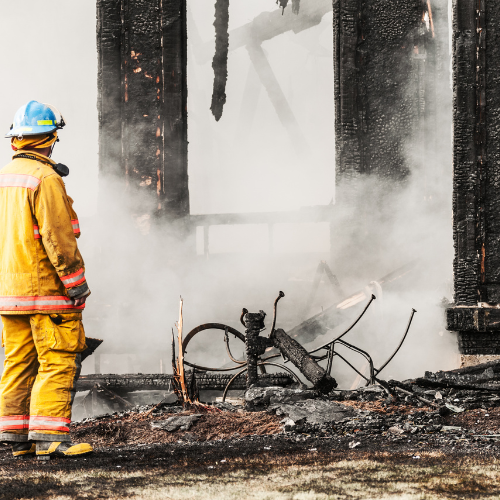
When a fire strikes a home, the immediate concern is saving lives and stopping the flames. Firefighters may use thousands of gallons of water to extinguish a blaze, and while that water is essential, it can also create a serious secondary water damage problem for homeowners. Understanding how firefighting water damages a property and what to do about it can make the difference between a smooth recovery and prolonged, expensive restoration.
Table of Contents
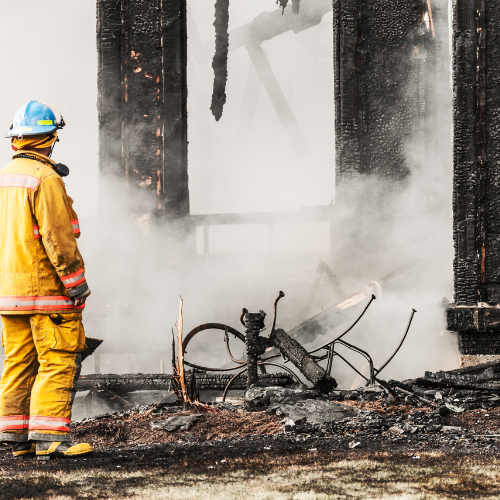
Why Firefighting Water Causes Secondary Damage
Fire suppression methods are designed to overwhelm flames quickly — but the same water that saves your home can also saturate it completely:
- Large volumes of water are used in fire hoses and sprinkler systems, sometimes delivering over 10,000 gallons in a single event.
- Water enters through broken windows, roof openings, and walls during firefighting efforts and then spreads into structural cavities.
- Moisture can soak into drywall, insulation, wood framing, subflooring, and personal belongings, creating conditions ripe for further damage.
This water doesn’t just sit on the surface — it gets driven deep into building assemblies where it can cause unseen harm.
Common Types of Secondary Damage from Firefighting Water
1. Structural Deterioration
Once water saturates building materials like drywall and wood, those materials lose structural integrity. Wood framing can absorb large amounts of moisture, drywall can crumble, and engineered flooring materials may warp or delaminate.
2. Mold Growth
Stagnant water and high humidity create the perfect environment for mold, which can begin colonizing within 24–48 hours after moisture exposure. Mold not only degrades building materials but also poses serious health risks to occupants.
3. Corrosion and Material Breakdown
Water mixed with ash and fire residues forms a chemically active solution that accelerates corrosion of metal fasteners, HVAC components, and even electrical systems.
4. Hidden Moisture and Long-Term Issues
Water can travel far from the original fire site, often ending up behind walls, under floors, and inside ceilings where it goes unnoticed until signs like warping or staining appear.
Why Quick Action Matters
Left untreated, firefighting water damage compounds rapidly:
- Moisture can travel into adjoining rooms and materials.
- Structural supports can weaken.
- Microbial growth can take hold and spread.
In many cases, the secondary damage from water becomes more costly and disruptive than the original fire itself. That’s why timely intervention — ideally within the first 24–72 hours — is critical.
What Homeowners Should Do After Firefighting Water Enters Your Home
✔ 1. Contact Professionals Immediately
A trained restoration crew can assess both fire and water damage simultaneously and begin mitigation right away.
✔ 2. Extract Standing Water
Industrial-grade extraction equipment removes water fast, preventing it from settling deeper into materials.
✔ 3. Use Moisture Mapping and Monitoring
Technicians use thermal imaging and moisture meters to detect hidden saturation so drying equipment can be placed effectively.
✔ 4. Dry and Dehumidify Strategically
High-capacity dehumidifiers and air movers create controlled airflow to eliminate moisture and reduce the risk of mold and rot.
✔ 5. Remove Unsalvageable Materials
In cases where drywall, insulation, or flooring cannot be dried properly, targeted removal may be necessary to expose wet cavities and ensure full drying.
✔ 6. Document Everything for Insurance
Photographs, moisture reports, and professional assessments help ensure that secondary water damage is properly accounted for in insurance claims.
Integrated Fire and Water Restoration: The Best Approach
Because firefighting creates a dual damage scenario, the most effective restoration plans integrate both fire and water mitigation:
- Fire cleanup (soot, smoke odor, content cleaning)
- Water extraction and drying
- Mold prevention
- Structural drying and stabilization
By addressing all issues in a coordinated workflow, restoration professionals prevent further loss, reduce costs, and help homeowners return to normal faster.
Final Takeaway
While firefighters may use vast amounts of water to protect your home and family — a noble and necessary act — that water becomes a powerful secondary threat if left unmanaged. Acting quickly with professional restoration services ensures that water doesn’t do more damage than the fire ever did.