 PuroClean of Lawrenceville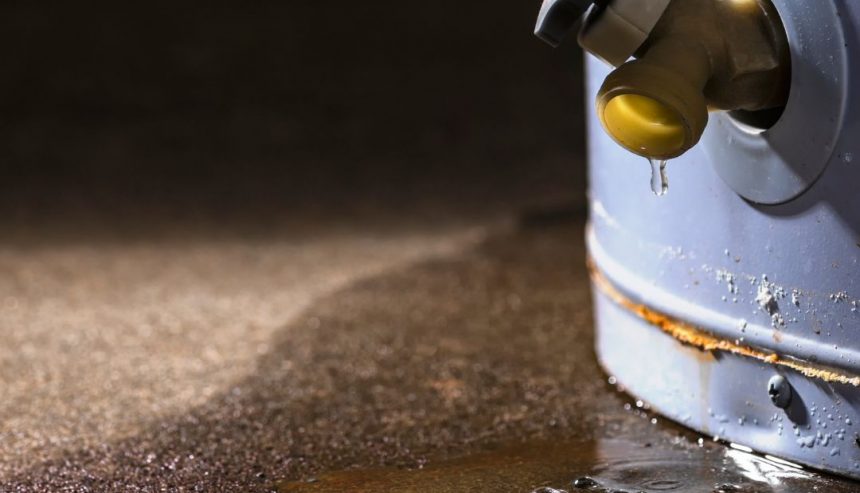
If you’ve recently experienced a leak or minor flood in your home, you may have heard the term “IICRC S500 Category 1 water clean water definition.” At first glance, “clean water” might sound harmless—but as a homeowner, it’s important to understand what that really means and how quickly it can change.
In this guide, we’ll break down what Category 1 water is, where it comes from, how safe it really is, and when you should take action to prevent serious water damage in your home.
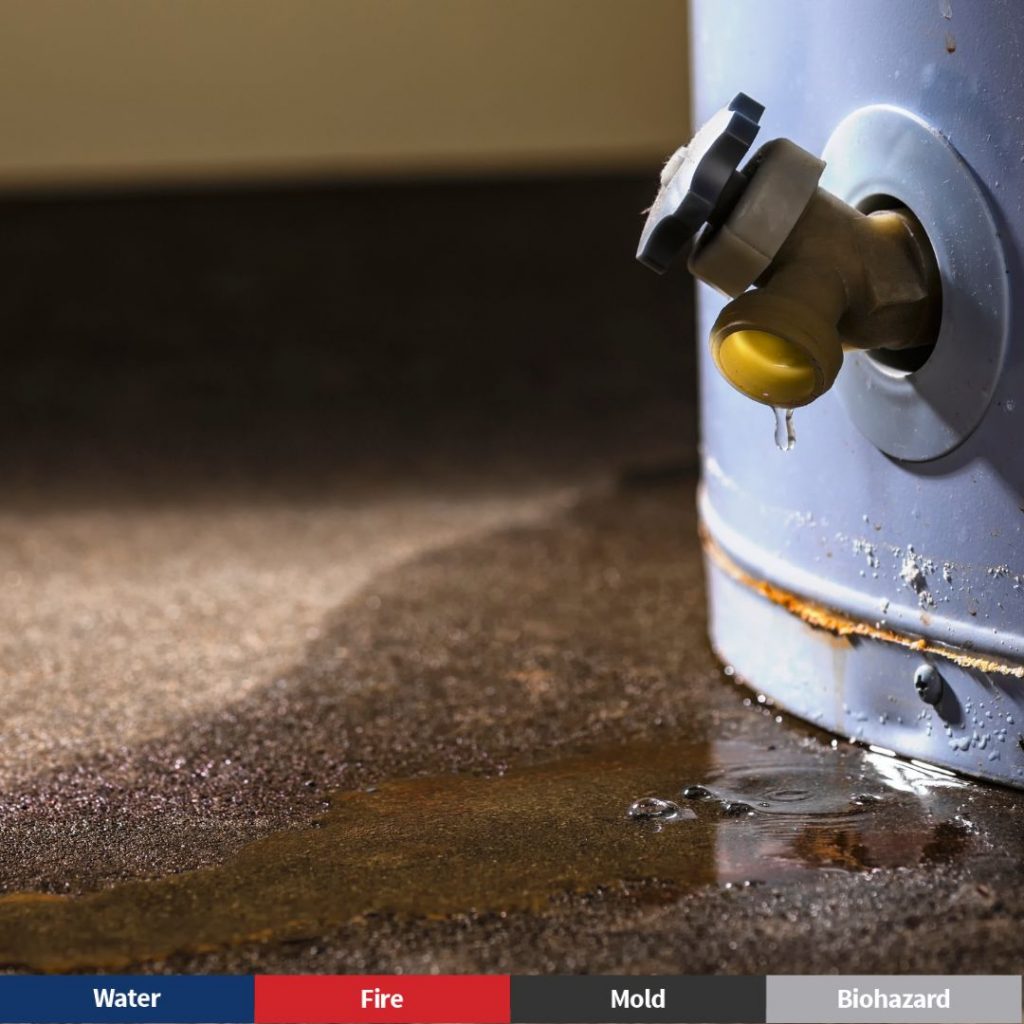
Table of Contents
What is IICRC S500 Category 1 Water?
The IICRC S500 is the industry standard for professional water damage restoration. According to the IICRC S500 Category 1 water clean water definition, Category 1 water refers to water that originates from a sanitary source and does not pose a substantial risk to humans at the time of exposure.
Common Sources of Category 1 Water:
- Broken or leaking water supply lines
- Overflowing sinks or bathtubs (without contaminants)
- Appliance malfunctions (like clean water from a dishwasher line)
- Rainwater entering through a clean opening
At this stage, the water is considered “clean”—but that doesn’t mean it’s safe to ignore.
Why Homeowners Should Still Be Concerned
As a homeowner, it’s easy to assume that “clean water” isn’t a big deal. However, even Category 1 water can quickly lead to serious water damage if not addressed immediately.
Here’s Why It Matters:
1. Clean Water Doesn’t Stay Clean
The biggest misconception is that Category 1 water remains harmless. In reality, it can degrade into Category 2 or even Category 3 water within 24–48 hours as it interacts with:
- Building materials like drywall and wood
- Dust, debris, and bacteria
- Household contaminants
2. Hidden Moisture Can Cause Problems
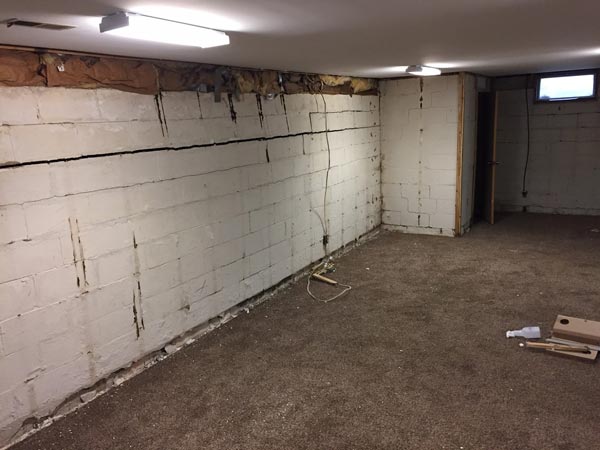
Water can seep into walls, floors, and ceilings, creating hidden moisture pockets. Even if the surface looks dry, moisture can remain trapped and lead to mold growth.
3. Mold Can Develop Quickly
Mold can begin forming within 24–48 hours after water exposure. Once mold develops, the situation becomes more complex and costly to remediate.
Signs Your “Clean Water” Problem is Getting Worse
Even if your initial leak involved Category 1 water, watch for these warning signs that conditions are deteriorating:
- Musty or damp odors
- Discoloration or staining on walls and ceilings
- Warping or swelling of floors
- Increased humidity indoors
- Visible mold growth
If you notice any of these signs, your “clean water” issue may no longer be safe—and immediate action is required.
How Fast Should You Act?
When it comes to the IICRC S500 Category 1 water clean water definition, timing is everything.
Ideal Response Timeline:
- Within 0–24 hours: Water is still Category 1 and easiest to clean
- 24–48 hours: Risk of contamination increases
- 48+ hours: Water may become hazardous (Category 2 or 3)
The faster you act, the easier—and less expensive—the cleanup process will be.
What Should a Homeowner Do First?
If you discover a leak or water intrusion in your home, here’s what you should do immediately:
- Stop the Source – Shut off the water supply if possible
- Remove Excess Water – Use towels or a wet vacuum for small areas
- Increase Airflow – Open windows and use fans to promote drying
- Call a Professional – For anything beyond minor spills, expert help is critical
Why Professional Help Matters
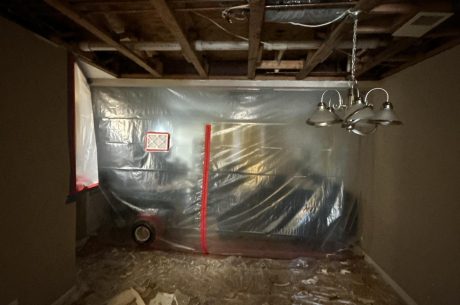
Even with Category 1 water, professional restoration ensures your home is fully dried and protected from long-term damage.
A company like PuroClean of Lawrenceville specializes in:
- Advanced moisture detection (including hidden water)
- Industrial-grade drying equipment
- Mold prevention and remediation
- Full restoration services
For homeowners in Lawrenceville, having a local expert means faster response times and a better understanding of regional conditions like humidity and weather patterns.
The Risk of Waiting Too Long
Delaying cleanup—even with “clean water”—can lead to:
- Structural damage to drywall, flooring, and framing
- Mold infestations that affect indoor air quality
- Increased restoration costs
- Potential health risks for your family
What starts as a simple Category 1 water issue can quickly become a major restoration project.
FAQs About IICRC S500 Category 1 Water
Q1: Is Category 1 water safe to touch or clean myself?
A: Initially, yes—but only for very small areas. Even then, caution is advised. If water sits too long or spreads, professional cleanup is recommended to prevent contamination and mold growth.
Q2: How quickly does clean water become contaminated?
A: Typically within 24–48 hours. Exposure to building materials and environmental contaminants can quickly change its category.
Q3: Does insurance cover Category 1 water damage?
A: In many cases, yes—especially if the source is sudden and accidental (like a burst pipe). A professional restoration company like PuroClean of Lawrenceville can help document the damage for your claim.
Q4: Can I just let it air dry?
A: Air drying is often not enough. Moisture can remain trapped behind walls and under flooring, leading to mold and structural issues. Professional drying ensures complete moisture removal.
Q5: Why should I call a professional if the water is clean?
A: Because it won’t stay clean. Experts can prevent escalation, detect hidden moisture, and save you from more expensive repairs later.
Protect Your Home Before It Gets Worse
Understanding the IICRC S500 Category 1 water clean water definition is essential—but taking action is even more important. Even “clean water” can quickly become a serious problem if ignored.
If you’re dealing with a leak or early-stage water damage in Lawrenceville, don’t wait.
PuroClean of Lawrenceville offers fast, professional water damage cleanup, ensuring your home is dry, safe, and protected from future issues.
👉 Call today for expert help and peace of mind.
 PuroClean of Lawrenceville