


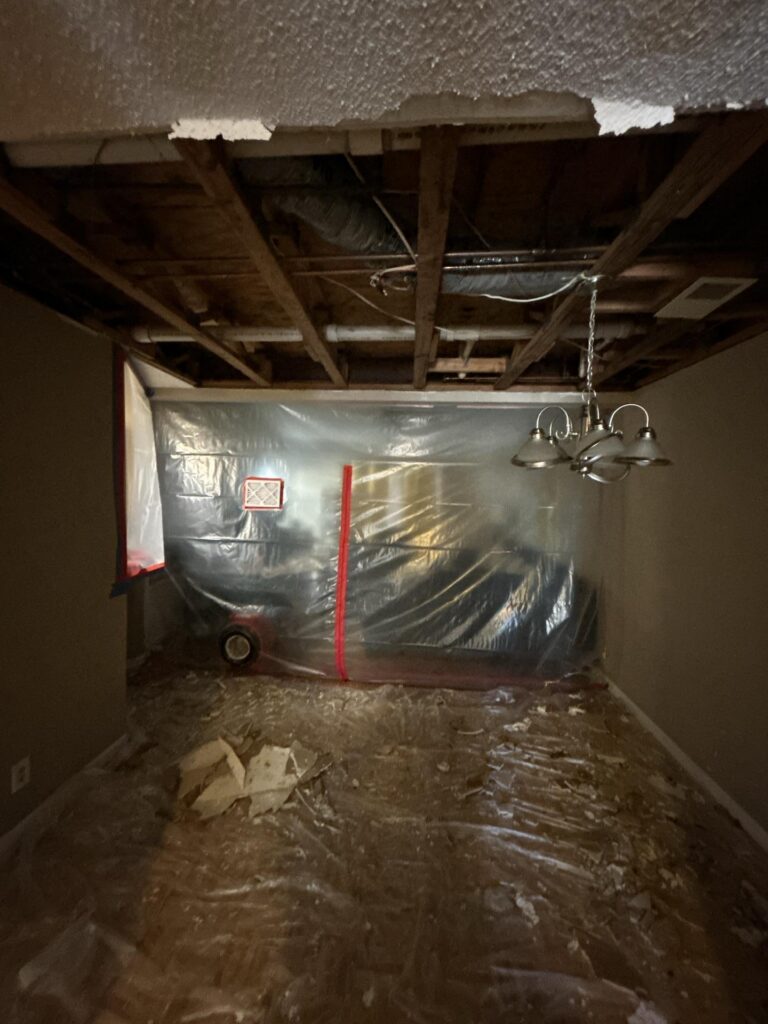
When floodwater enters your home, you don’t have minutes to spare you have seconds. Whether the cause is a burst pipe, storm runoff, sewer backup, or a malfunctioning appliance, flood damage can quickly destroy flooring, drywall, electrical systems, insulation, and personal belongings. Even worse, standing water becomes a Category 3 biohazard in as little as 72 hours, making the situation dangerous for anyone inside the property making Flood Damage Restoration Near Me important.
Table of Contents
If you’re searching for “flood damage restoration near me” in Lawrenceville or anywhere in Gwinnett County, this guide breaks down exactly what you need to know — what to do during the first 5 minutes, how to prevent structural collapse and mold growth, and why certified technicians are essential for safe cleanup.
And most importantly, you’ll learn why PuroClean of Lawrenceville is the team trusted by homeowners, HOAs, property managers, and insurance professionals across the county for fast, compassionate, and expert disaster recovery.
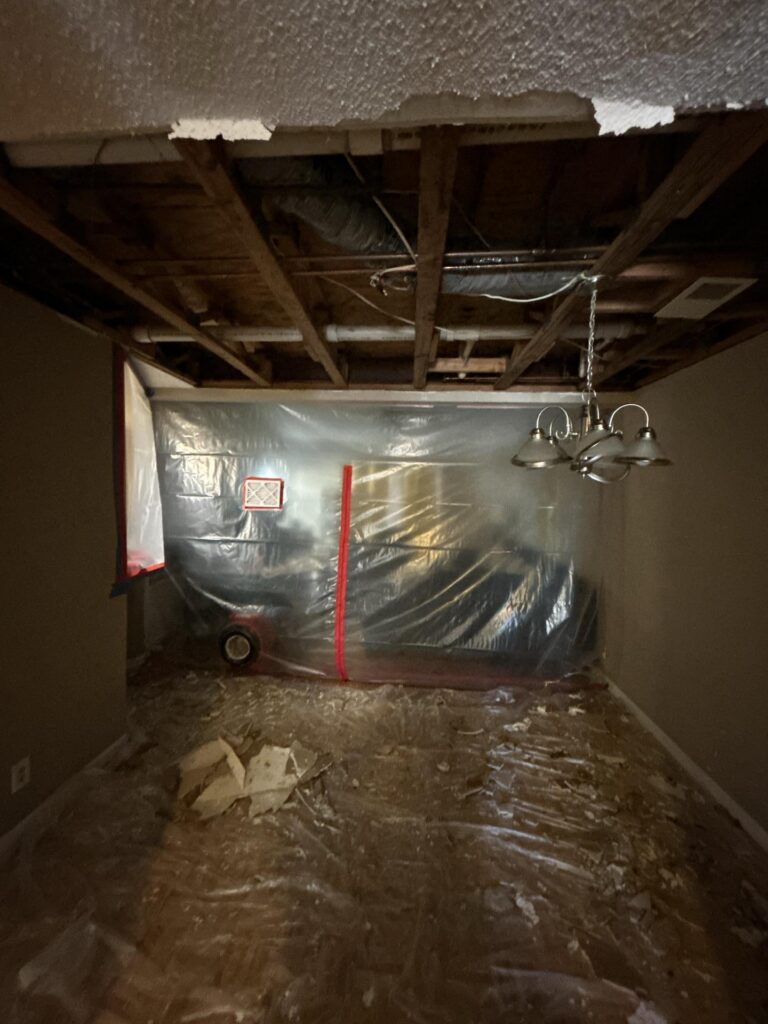
Understanding Flood Damage: What Really Happens to Your Home
Flooding introduces more than visible water. It triggers a chain reaction of hidden and progressive damage that worsens over hours, days, and weeks if not stopped immediately.
1.1 The Immediate Impact
- Water spreads quickly, seeping through flooring and drywall.
- Electrical systems become hazardous.
- Furniture absorbs moisture and begins deteriorating.
- Basement and crawl spaces fill up rapidly, increasing humidity.
1.2 The Hidden Impact
Even after the surface looks dry, water remains trapped in:
- Wall cavities
- Subfloors
- Insulation
- Wooden beams
- HVAC ducts
- Carpet padding
This trapped moisture breeds mold, weakens structures, and causes long-term odors.
1.3 The Health Risks
Standing water can carry:
- Bacteria
- Viruses
- Chemicals
- Sewage contaminants
- Mold spores
For families, children, elderly residents, and pets, these risks are significant — especially in humid Georgia climates.
Top Causes of Flooding in Lawrenceville & Gwinnett County
Flooding varies from home to home, but several issues appear repeatedly across local properties:
Heavy Rainfall & Storm Runoff
Gwinnett County experiences sudden, intense storms that overwhelm drainage systems, causing water to infiltrate basements, crawlspaces, and lower levels.
Burst or Leaking Pipes
Older plumbing, freezing temperatures, and pressure fluctuations all contribute to pipe failures — a common cause of interior flooding.
Sewer Backups
A major concern in certain neighborhoods with aging sewer lines or homes on low-elevation lots.
Appliance Failures
Water heaters, dishwashers, washing machines, refrigerators, and AC condensate lines frequently fail and cause sudden water releases.
Roof Leaks
Wind damage, missing shingles, and clogged gutters lead to roof penetrations that allow water into ceilings and walls.
Basement & Crawlspace Flooding
Clay soil common across Lawrenceville easily becomes oversaturated, pushing groundwater into foundations.
Dangers of Flood Damage: Beyond What You Can See
Many Lawrenceville homeowners don’t realize how destructive hidden water can be. Even small leaks cause shutdown-level damage when moisture spreads behind walls or under flooring.
Here are the biggest risks:
1. Structural Damage
Water weakens:
- Subfloors
- Support beams
- Load-bearing walls
- Ceiling joists
Sagging floors and cracked ceilings are serious safety hazards.
2. Mold Infestation
Mold starts growing in 24–48 hours and spreads rapidly through:
- HVAC systems
- Carpets
- Wall cavities
- Behind tiles
Without containment and HEPA filtration, mold spores contaminate the entire home.
3. Electrical Hazards
Water and electricity create:
- Fire risks
- Electrocution risks
- Appliance failure
This is why no one should enter a flooded basement without clearance from professionals.
4. Contaminated Water Exposure
Category 2 and 3 water contains:
- Bacteria
- Fecal matter
- Chemicals
- Parasites
- Viruses
Contact with contaminated water can cause respiratory infections, gastrointestinal issues, and severe skin irritation.
4. The PuroClean of Lawrenceville Flood Damage Restoration Process
When you call PuroClean, you’re not just getting a cleanup crew — you’re getting certified emergency restoration specialists trained under the IICRC S500 standards for water damage.
Here’s what happens from the moment we arrive:
Step 1: Emergency Assessment & Moisture Mapping
We inspect the property, measure damage levels, and use tools such as:
- Thermal imaging cameras
- Moisture meters
- Hygrometers
This helps us find hidden water behind walls, under tile, and inside ceilings.
Step 2: Water Extraction
Using high-powered extraction equipment, we remove all standing water quickly and safely.
This stage is crucial — every minute counts.
Step 3: Removal of Damaged Materials
Depending on water category and contamination levels, we remove:
- Wet drywall
- Carpet and padding
- Damaged flooring
- Waterlogged insulation
- Contaminated personal items
We always try to save materials when possible, but safety comes first.
Step 4: Industrial Drying
We use:
- Commercial air movers
- Dehumidifiers
- HEPA air scrubbers
- Injectidry systems for hard-to-reach cavities
This ensures structural components dry completely before restoration begins.
Step 5: Cleaning, Sanitizing & Odor Control
We disinfect the entire affected area using:
- EPA-approved antimicrobial agents
- Hospital-grade disinfectants
- Odor-neutralizing treatments
For sewage or black water damage, we perform deep sanitation to eliminate all biohazards.
Step 6: Full Reconstruction
Unlike some restoration companies, PuroClean of Lawrenceville handles both cleanup and rebuild, including:
- Drywall replacement
- Flooring installation
- Painting
- Trim and baseboards
- Cabinet repair
- Structural rebuilds
We restore your home to pre-loss condition — safely and efficiently.
Why Lawrenceville Homeowners Trust PuroClean
What sets us apart?
✔ Fast 24/7 Emergency Response
✔ IICRC-Certified Technicians
✔ Advanced Equipment & Moisture Detection
✔ Full Mitigation + Reconstruction
✔ Insurance Coordination Assistance
✔ Local, Trusted, and Highly Rated
✔ Compassionate, Professional Service**
Flood damage is stressful but you don’t have to handle it alone.
6. How to Prevent Future Flood Damage in Lawrenceville & Gwinnett County
1. Insulate pipes before winter
Burst pipes are the #1 cause of winter water emergencies.
2. Clean gutters and downspouts
Clogged drainage causes roof leaks.
3. Install a sump pump (optional backup battery)
Essential for homes in flood-prone areas.
4. Check appliance hoses regularly
Replace old washing machine hoses every 3–5 years.
5. Seal foundation cracks
Even tiny openings allow water intrusion during storms.
6. Inspect the water heater yearly
Failures release up to 1,000 gallons of water
Flood damage doesn’t wait — and neither should you. Whether you’re dealing with a burst pipe, storm flooding, sewage backup, or hidden water damage spreading behind your walls, PuroClean of Lawrenceville is ready to respond immediately with the expertise, compassion, and precision your property deserves. Our certified team handles everything from emergency extraction to full reconstruction, restoring your home or business quickly, safely, and to the highest industry standards. When every minute counts, trust the local professionals who understand Lawrenceville and Gwinnett County homes inside and out. Call PuroClean of Lawrenceville today and let us bring your property — and your peace of mind — back to life.