 PuroClean of Lawrenceville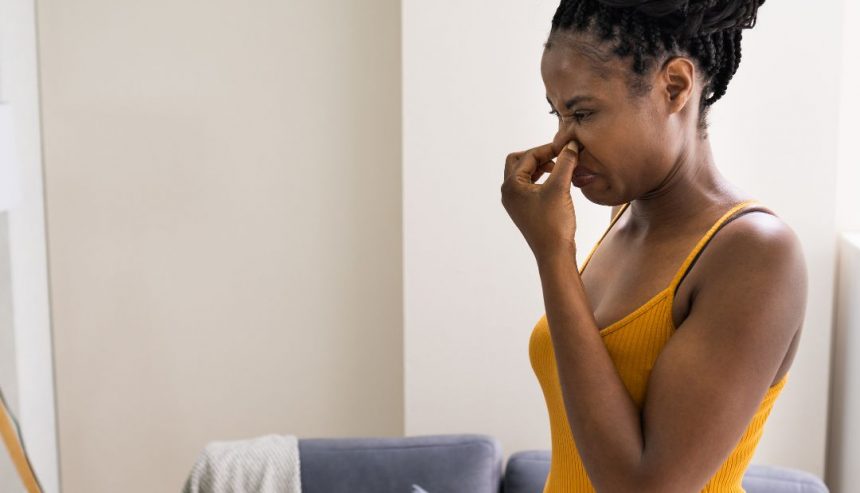
If you’ve ever walked into your home and noticed a foul, lingering odor—something rotten, sulfur-like, or unmistakably sewage-related—you’re not imagining it. And more importantly, that smell isn’t normal.
For many Lawrenceville homeowners, sewage smells are often dismissed as a temporary plumbing issue or something that will “go away on its own.” Unfortunately, these smells are usually early warning signs of a much larger problem—one that can lead to water damage, health risks, and costly repairs if ignored.
In this guide, we’ll explain what sewage odors in your Lawrenceville home are really trying to tell you, why they’re more common than you might think, and when it’s time to call in professional help.
Why Sewage Smells Should Never Be Ignored

Table of Contents
Sewage odors are not just unpleasant—they are a signal that something is wrong within your plumbing or drainage system. These smells typically indicate the presence of sewer gases, wastewater backups, or trapped organic matter breaking down inside your home.
Beyond discomfort, sewage odors can point to:
- Hidden water or moisture damage
- Bacterial contamination
- Structural risks to your plumbing system
- Potential exposure to harmful gases like methane or hydrogen sulfide
In other words, what starts as a smell can quickly escalate into a serious household emergency.
Common Causes of Sewage Odors in Lawrenceville Homes
1. Dry or Empty Drain Traps
Every drain in your home has a P-trap—a curved section of pipe designed to hold water and block sewer gases. When a drain is rarely used (such as in a basement bathroom or laundry room), the water in the trap can evaporate, allowing odors to escape.
This is especially common in:
- Guest bathrooms
- Floor drains
- Utility sinks
- Basements
What it smells like: Rotten eggs or raw sewage
Why it matters: Sewer gases entering your living space
2. Clogged or Blocked Sewer Lines
One of the most serious causes of sewage odors is a partial or full blockage in your main sewer line. In Lawrenceville, older homes and tree-lined neighborhoods are especially vulnerable to root intrusion, grease buildup, and debris accumulation.
As wastewater struggles to move through the system, gases and odors can back up into your home.
Warning signs include:
- Gurgling sounds from drains
- Slow drainage throughout the house
- Multiple drains backing up at once
- Persistent sewage smell near drains or toilets
3. Sewer Backups and Overflow Risks
Sewage odors are often the first sign of an impending sewer backup. Before wastewater visibly overflows, gases escape through drains, toilets, or floor openings.
This is particularly common after:
- Heavy rainfall in Lawrenceville
- Increased water usage (holidays, gatherings)
- Cold weather causing pipe stress
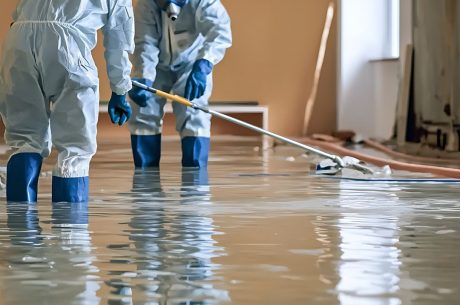
A backup doesn’t just create a mess—it can contaminate floors, walls, and personal belongings with Category 3 (black water), which requires professional cleanup.
4. Cracked, Broken, or Aging Pipes
Lawrenceville has many established neighborhoods with aging plumbing infrastructure. Over time, pipes can crack, shift, or corrode—especially underground sewer lines.
These breaks allow wastewater and gases to leak into surrounding soil, crawl spaces, or basements, eventually making their way into your home.
You may notice:
- Sewage smells in one specific area
- Damp spots on floors or walls
- Increased humidity or musty odors
5. Improper Venting or Blocked Vent Pipes
Plumbing systems rely on vent pipes to release sewer gases safely through the roof. If these vents are blocked by debris, nests, or damage, gases can be forced back into your home.
This issue is often overlooked because it’s not visible—but it can cause strong, persistent odors that seem to have no clear source.
Why Sewage Odors Are More Common in Lawrenceville Homes
Several local factors make sewage-related issues more frequent in the Lawrenceville area:
- Heavy rainfall and storm runoff can overload municipal sewer systems
- Clay soil common in Georgia can shift, stressing underground pipes
- Tree roots aggressively seek moisture, invading sewer lines
- Seasonal temperature changes can cause pipes to expand and contract
- Older homes may lack modern plumbing upgrades
These conditions make it critical for homeowners to act quickly when unusual odors appear.
Health Risks Associated with Sewage Smells
Sewage smells aren’t just unpleasant—they can pose real health concerns, especially for children, seniors, and individuals with respiratory conditions.
Potential risks include:
- Exposure to bacteria and pathogens
- Respiratory irritation from sewer gases
- Headaches, nausea, or dizziness
- Mold growth triggered by moisture intrusion
If the smell is strong, persistent, or accompanied by visible water or waste, it’s best to limit exposure and seek professional assistance immediately.
What You Should Do If You Smell Sewage in Your Home
Step 1: Identify the Area
Try to determine whether the smell is coming from:
- A specific drain
- The basement or crawl space
- Multiple rooms
- Near toilets or floor drains
This information helps professionals diagnose the issue faster.
Step 2: Avoid DIY Fixes for Serious Odors
While pouring water into a dry drain may help in minor cases, persistent sewage odors are not a DIY problem. Chemical cleaners can worsen pipe damage and won’t address underlying issues like blockages or leaks.
Step 3: Call a Professional Restoration and Cleanup Team
If sewage odors persist—or if you notice water damage, backups, or dampness—it’s time to call professionals trained in sewage cleanup and restoration.
A certified restoration team can:
- Identify the source of the odor
- Safely remove contaminated water or waste
- Sanitize affected areas
- Dry and restore your property
- Prevent long-term structural and health issues
How Professional Sewage Cleanup Protects Your Home
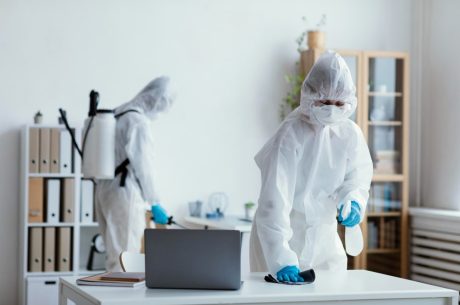
Professional sewage cleanup goes beyond removing visible messes. It involves:
- Proper containment of contaminated areas
- Use of industrial-grade disinfectants
- Moisture detection to find hidden damage
- Odor neutralization—not just masking
- Compliance with safety and health standards
This level of care is essential to fully protect your home and your family.
When to Call PuroClean of Lawrenceville
If you notice:
- Persistent sewage odors
- Drain backups or overflows
- Water pooling near floor drains
- Sewage smells after heavy rain
- Health symptoms linked to odors
Do not wait.
PuroClean of Lawrenceville provides professional sewage cleanup and water damage restoration services designed to address the problem at its source—quickly, safely, and compassionately.
That sewage smell in your home isn’t random—and it isn’t something to ignore. It’s your home telling you that something needs attention. Acting early can prevent extensive damage, protect your health, and save thousands in repair costs.
If something smells off, trust your instincts—and get it checked.

 PuroClean of Lawrenceville