


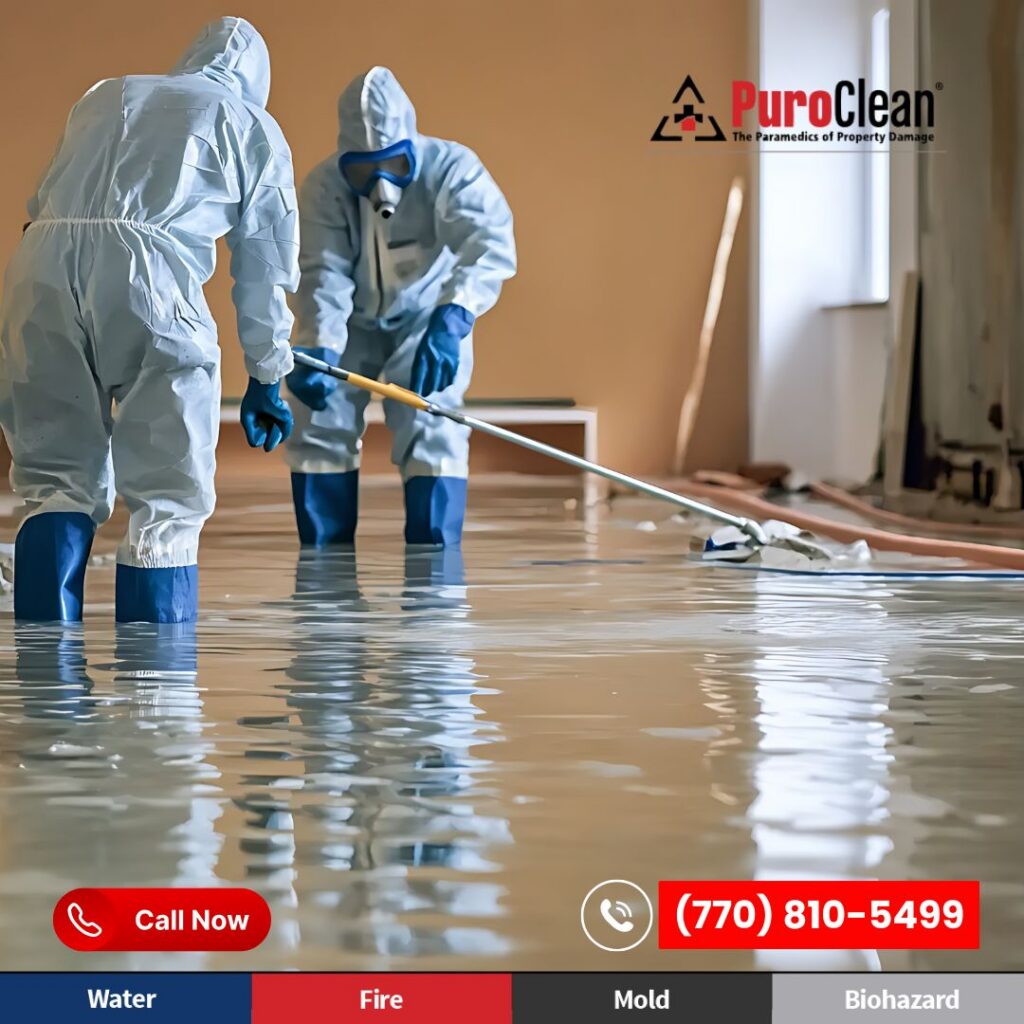
Most homeowners in Lawrenceville don’t think much about their septic system—until something goes wrong. When septic tanks overflow, leak, or back up into your home, the result isn’t just inconvenient—it can be a serious health hazard that requires immediate professional intervention.

Septic cleanup is more than routine pumping—it’s an emergency response to contamination caused by backups, flooding, or system failure. In a community like Lawrenceville, where heavy rain, storm runoff, and aging infrastructure can put extra stress on septic systems, understanding how septic cleanup works is crucial.
In this guide, we’ll cover
Why Septic Cleanup Matters in Lawrenceville
Lawrenceville’s mix of older neighborhoods, newer developments, and storm-prone weather makes septic care a critical issue. Homes in unincorporated parts of Gwinnett County often rely on septic systems, and with Georgia’s humid climate and seasonal storms, backups are more common than many realize.
When septic systems fail, the risks go beyond bad odors:
- Health hazards – Sewage contains bacteria, viruses, and parasites.
- Property damage – Contaminated water seeps into drywall, flooring, and furniture.
- Mold growth – In Lawrenceville’s humid weather, mold can develop within 24–48 hours.
- Long-term costs – The longer sewage remains, the more expensive cleanup becomes.
Common Causes of Septic Backups in Lawrenceville Homes
While septic issues can happen anywhere, these are the leading causes in the Lawrenceville area:
1. Heavy Rainfall and Storm Flooding
Gwinnett County experiences strong thunderstorms and seasonal downpours. When the ground becomes saturated, septic drain fields can’t absorb water properly, causing sewage to back up into homes.
2. Lack of Regular Pumping
Septic tanks in Lawrenceville homes typically need pumping every 3–5 years. Without it, solids accumulate and push wastewater back into plumbing.
3. Clogged Pipes
Flushing wipes, grease, or foreign objects is a major cause of backups. Even “flushable” wipes can clog pipes leading to the septic tank.
4. Damaged Septic Systems
Older homes in Lawrenceville may have aging septic systems with cracks, root damage, or deteriorating pipes that lead to leaks and overflows.
5. Overuse of Household Water
Running multiple appliances at once—like dishwashers, washing machines, and showers—can overwhelm the system, especially in larger households.
The Health Risks of Sewage Exposure
Septic overflows aren’t just messy—they’re dangerous. Exposure to untreated sewage can cause:
- Bacterial infections (E. coli, Salmonella)
- Viral illnesses (hepatitis A, gastroenteritis)
- Parasitic infections (Giardia, Cryptosporidium)
- Respiratory issues from mold spores in damp walls
- Skin rashes and irritation from direct contact
This is why professional septic cleanup in Lawrenceville is essential—standard cleaning supplies cannot disinfect sewage safely.
What to Do Immediately After a Septic Backup
If your Lawrenceville home experiences a septic overflow:
- Keep everyone away from contaminated areas.
- Turn off electricity near standing water for safety.
- Stop using water (toilets, sinks, washing machines) until the issue is resolved.
- Ventilate the space if possible by opening windows.
- Call a professional septic cleanup service in Lawrenceville immediately.
Do not attempt DIY cleanup. Without protective gear and disinfectants, you risk serious illness.
The Septic Cleanup Process in Lawrenceville
When you call professionals like PuroClean of Lawrenceville, here’s how septic cleanup is handled:
Step 1: Emergency Assessment
- Technicians inspect the property to identify contamination.
- Moisture and sewage mapping tools determine hidden damage.
Step 2: Containment
- The affected area is isolated to prevent spreading contaminants.
- Safety protocols protect your family and pets.
Step 3: Waste Removal
- Industrial-grade pumps and vacuums remove sewage.
- Contaminated flooring, carpets, or drywall may be removed.
Step 4: Disinfection and Cleaning
- EPA-approved antimicrobial treatments kill pathogens.
- Surfaces are deep cleaned with hospital-grade disinfectants.
Step 5: Drying and Dehumidification
- Industrial air movers and dehumidifiers remove lingering moisture.
- This step prevents mold growth, a common Lawrenceville issue due to humidity.
Step 6: Restoration
- Damaged building materials are replaced.
- Your home is restored to safe, livable condition.
How Lawrenceville Homeowners Can Prevent Septic Backups
Preventing septic emergencies is always better than costly cleanup. Here’s how:
1. Pump Your Tank Regularly
Schedule septic pumping every 3–5 years depending on household size.
2. Use Water Wisely
Install low-flow toilets and stagger laundry loads to reduce strain on the system.
3. Be Careful About What You Flush
Never flush wipes, grease, or chemicals. Stick to human waste and toilet paper only.
4. Protect the Drain Field
Don’t park cars, plant trees, or build structures on your drain field.
5. Get Inspections After Heavy Rains
Storms in Lawrenceville can saturate soil and stress septic systems. Post-storm inspections help catch issues early.
FAQs About Septic Cleanup in Lawrenceville
Q1: How quickly should I call for septic cleanup after a backup?
Immediately. The faster professionals respond, the lower the risk of permanent damage and mold growth.
Q2: Will my insurance cover septic cleanup?
Many Lawrenceville homeowners insurance policies cover sudden backups but not long-term neglect. Always check your policy.
Q3: How long does septic cleanup take?
Most Lawrenceville cleanups are completed in 1–3 days, depending on the level of contamination.
Q4: Can septic backups cause mold in my home?
Yes. With Lawrenceville’s humid climate, mold can grow in 24–48 hours after sewage exposure.
Q5: How do I know if my septic system is failing?
Slow drains, gurgling pipes, sewage odors, or pooling water in your yard are early warning signs.
Why Choose PuroClean of Lawrenceville for Septic Cleanup?
When septic disasters strike, you need more than a plumber—you need a full-service restoration company that handles biohazards, water damage, and structural repairs.
At PuroClean of Lawrenceville, we provide:
- 24/7 emergency response for septic backups
- Advanced cleaning and disinfection methods
- Mold prevention and dehumidification services
- Full property restoration to pre-loss condition
We understand the unique challenges Lawrenceville homeowners face—from storm-driven floods to aging septic systems—and we’re here to help.
📞 Call PuroClean of Lawrenceville at (770) 800-4925 for immediate septic cleanup and restoration services.
Conclusion
Septic backups and overflows can turn your home into a health hazard in minutes. But with fast, professional septic cleanup in Lawrenceville, you can protect your family, restore your property, and prevent long-term damage.
Don’t wait until a small issue becomes an emergency. Stay proactive with maintenance, watch for early warning signs, and know who to call when trouble strikes.
PuroClean of Lawrenceville is your trusted local partner for septic cleanup and restoration.