 PuroClean of Lawrenceville
Wildfires are no longer a distant concern reserved for rural or western states. Recent wildfire activity in and around Loganville and Walton County has brought renewed attention to how vulnerable suburban homes can be during prolonged dry conditions, high winds, and rising temperatures.
For Loganville homeowners, wildfire preparedness is not just about emergency response—it’s about home hardening and prevention. Research shows that most homes lost in wildfires ignite from embers, not direct flames. These embers can travel miles ahead of a fire, finding weak points in roofs, vents, gutters, decks, and landscaping.

This guide provides a detailed wildfire safety checklist to help Loganville homeowners reduce fire risk, protect property value, and improve overall home resilience.
Why Wildfire Preparedness Matters in Loganville, GA
Table of Contents
Georgia’s mix of pine forests, wooded subdivisions, and seasonal dry spells creates conditions where wildfires can spread quickly. Loganville neighborhoods with mature trees, pine straw landscaping, and older construction materials are particularly vulnerable.
Even if a wildfire does not directly reach your home, smoke damage, soot intrusion, and airborne embers can still cause costly damage.
Being wildfire-ready means:
- Reducing ignition points
- Slowing fire spread
- Giving firefighters a safer chance to defend your home
1. Defensible Space: Your First Line of Defense
Defensible space refers to the managed area around your home designed to slow fire spread and reduce heat exposure.
Zone 1: Immediate Zone (0–5 Feet From the Home)
This is the most critical wildfire protection zone.
Checklist:
- Remove pine straw, dry leaves, and mulch near siding and foundations
- Replace combustible mulch with gravel or stone
- Keep firewood, propane tanks, and outdoor furniture away from walls
- Remove debris from corners, siding gaps, and door thresholds
Local SEO Insight:
Pine straw is common in Loganville landscaping but is one of the most flammable materials during wildfire conditions.
Zone 2: Intermediate Zone (5–30 Feet)
This zone reduces fire intensity before it reaches the structure.
Checklist:
- Space trees at least 10 feet apart
- Trim tree branches 6–10 feet off the ground
- Remove dead plants, shrubs, and fallen limbs
- Keep grass mowed and irrigated during dry periods
Proper spacing prevents fire from climbing from the ground into tree canopies—a major cause of structure loss.
Zone 3: Extended Zone (30–100 Feet)
Not all properties have this much space, but any effort here helps.
Checklist:
- Thin dense vegetation
- Remove dead or diseased trees
- Break up continuous fuel sources like thick brush
2. Fire-Resistant Roofing: Protect the Most Vulnerable Surface
Your roof is the most likely place for embers to land and ignite your home.
Best Fire-Rated Roofing Materials
- Class A asphalt shingles
- Metal roofing systems
- Clay or concrete tiles
Roofing Maintenance Checklist:
- Replace missing or damaged shingles
- Seal gaps and cracks along roof edges
- Inspect flashing around chimneys and vents
- Remove debris from valleys and rooflines
Older or poorly maintained roofs significantly increase wildfire risk.
3. Ember-Resistant Vents: A Critical Upgrade
Many homes ignite when embers enter attic, soffit, or crawlspace vents.
Vent Safety Checklist:
- Install ember-resistant or wildfire-rated vents
- Use 1/8-inch metal mesh screening
- Clear leaves and debris from vent openings
- Inspect vents after storms or high winds
This upgrade is relatively inexpensive but provides major protection.
4. Gutters and Roof Edges: A Common Ignition Point
Dry debris in gutters is one of the most overlooked wildfire hazards.
Gutter Fire Prevention Checklist:
- Clean gutters at least twice a year
- Remove pine needles and leaves regularly
- Install metal gutter guards where possible
- Ensure downspouts direct water away from the home
A single ember in a debris-filled gutter can ignite the roof within minutes.
5. Decks, Porches, and Fences: Fire Can Travel Upward
Wooden decks and attached structures often act as fuel pathways into homes.
Deck Safety Checklist:
- Remove debris between deck boards
- Enclose open deck undersides with fire-resistant materials
- Repair or replace damaged wood
- Avoid storing flammable items under decks
Fence Considerations:
- Use metal or masonry fencing near the house
- Avoid wood fences that connect directly to the structure
6. Fire-Smart Landscaping for Loganville Homes
Landscaping plays a major role in wildfire behavior.
Recommended Landscaping Practices:
- Choose low-resin, high-moisture plants
- Use native Georgia plants that retain moisture
- Space shrubs and trees to prevent flame spread
Avoid Near the Home:
- Juniper, cedar, pine, and ornamental grasses
- Dense shrub clusters beneath windows
- Dry mulch next to siding
Routine watering, pruning, and debris removal are essential.
7. Additional Wildfire Readiness Tips
- Keep garden hoses connected and accessible
- Store fire extinguishers on each level of the home
- Know evacuation routes in Loganville and Walton County
- Maintain defensible space year-round—not just during fire season
What to Do If Your Loganville Home Is Affected by Fire or Smoke
Even without visible flames, wildfire exposure can cause:
- Smoke odor infiltration
- Soot contamination
- HVAC system damage
- Structural weakening
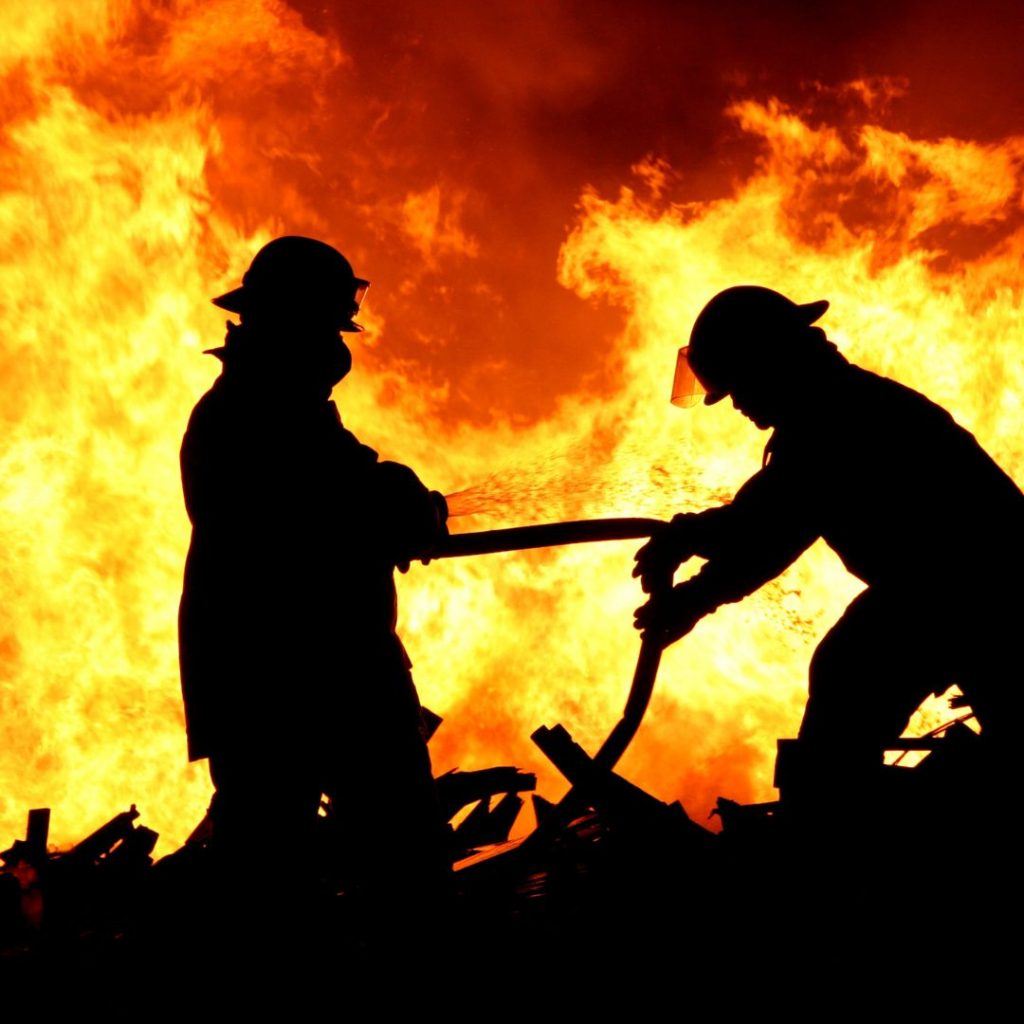
Professional fire damage restoration services can assess hidden damage, safely remove contaminants, and restore your home while working directly with insurance providers.
Wildfire-ready homes are not just better protected during an active fire event—they are safer for occupants, more resilient against environmental hazards, and increasingly more attractive to insurance providers and future buyers. As wildfire activity becomes more frequent and unpredictable, insurers and local authorities are placing greater emphasis on proactive risk reduction rather than reactive recovery.
By intentionally addressing defensible space, fire-resistant roofing materials, ember-resistant vents, clean and well-maintained gutters, hardened decks and exterior attachments, and fire-smart landscaping, Loganville homeowners significantly reduce the likelihood that airborne embers or radiant heat will ignite their property. These measures function as a layered defense system—if one safeguard is compromised, others continue to slow fire spread and limit structural exposure.
Beyond immediate safety, wildfire preparedness protects the long-term value and insurability of your home. Properties that demonstrate visible fire mitigation efforts are often classified as lower-risk, which can support more favorable insurance terms, reduce claim complexity, and minimize restoration costs. In a community like Loganville—where wooded neighborhoods meet seasonal dry conditions—these precautions are no longer optional upgrades; they are essential protections.
Ultimately, preparedness is about control. While homeowners cannot prevent wildfires from occurring, they can significantly reduce how vulnerable their property is when conditions escalate. The steps taken today—routine maintenance, informed material choices, and professional guidance—can be the difference between minor smoke cleanup and devastating fire loss tomorrow.
Need Professional Help After Fire or Smoke Exposure?
If your Loganville home has been impacted by fire damage, smoke odor, soot, or airborne contaminants, do not wait for the damage to worsen. PuroClean of Lawrenceville provides professional fire and smoke damage restoration services, helping homeowners recover quickly, safely, and with confidence.
Our certified technicians can:
- Assess hidden smoke and soot damage
- Remove hazardous residues and persistent odors
- Restore affected materials and contents
- Work directly with your insurance provider to streamline the claims process
Call PuroClean of Lawrenceville on (770) 810-5499 today for prompt, compassionate, and expert fire damage restoration services serving Loganville and surrounding communities.


 PuroClean of Lawrenceville