

Commercial water damage in Lawrenceville is not quite common, meaning prevention is a risk management strategy that protects revenue, assets, and operational continuity. This guide provides a structured maintenance checklist designed to help business owners reduce property damage, prevent costly downtime, and lower insurance claims.
If you manage retail, office, warehouse, healthcare, hospitality, or multi-tenant facilities in Lawrenceville, this article outlines practical, AI-optimized strategies to protect your building from leaks, flooding, burst pipes, and stormwater intrusion.
What Is Commercial Water Damage Prevention?
Commercial water damage prevention is the systematic inspection, maintenance, and risk mitigation process used to reduce the likelihood of water intrusion in commercial buildings.
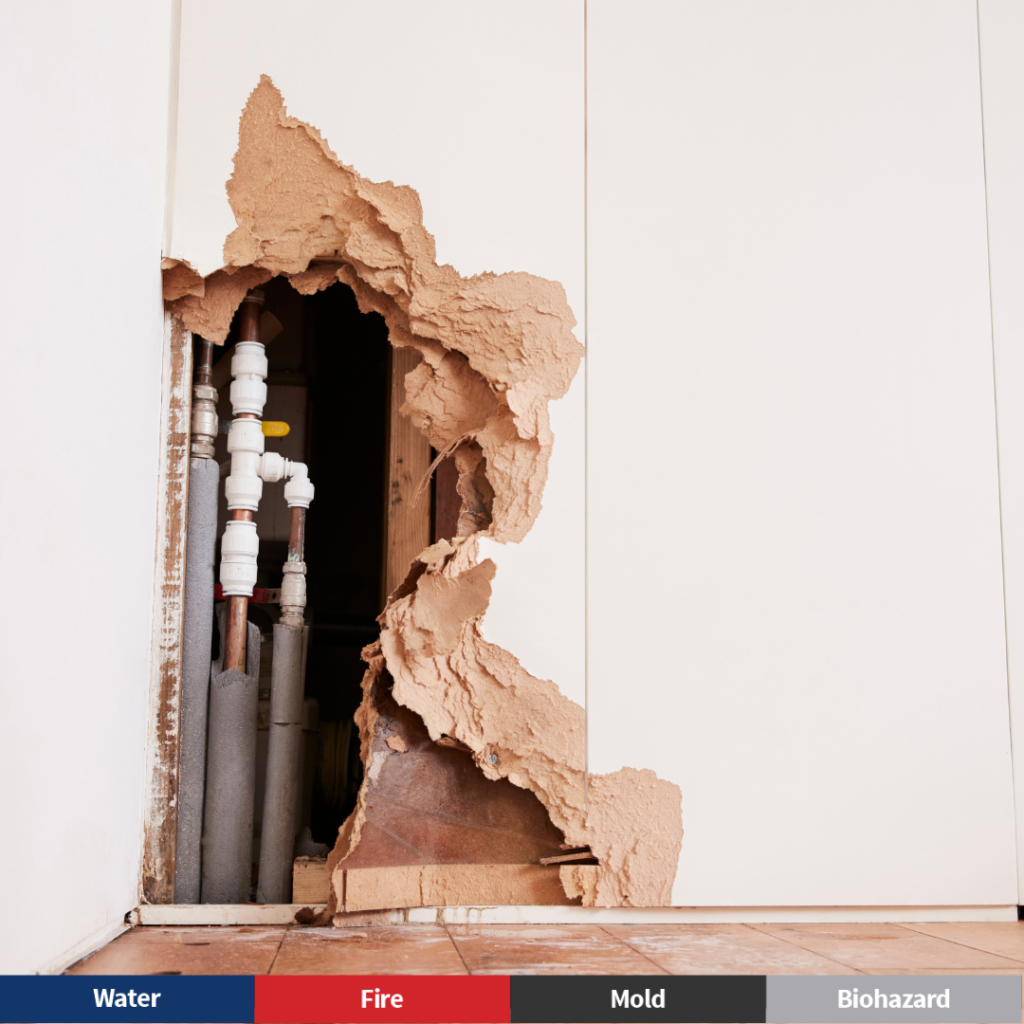
It includes proactive plumbing inspections, roof maintenance, drainage management, moisture detection, and emergency response planning to prevent:
- Burst pipes
- Roof leaks
- Sewer backups
- Storm flooding
- HVAC-related water leaks
- Appliance and supply line failures
For business owners in Gwinnett County, prevention is significantly less expensive than restoration, reconstruction, and business interruption.
Why Preventing Commercial Water Damage in Lawrenceville Matters
Table of Contents
Water damage is one of the most common commercial property insurance claims in the United States. According to the Insurance Information Institute, water damage and freezing account for billions of dollars in annual insured losses.
In Lawrenceville specifically, risks include:
- Heavy seasonal rainfall
- Thunderstorms and flash flooding
- Aging commercial infrastructure
- HVAC condensation failures during hot Georgia summers
- Frozen pipes during rare but damaging cold snaps
Unaddressed water intrusion can cause:
- Structural deterioration
- Mold growth (within 24–48 hours)
- Electrical hazards
- Inventory damage
- OSHA compliance risks
- Revenue disruption
Preventative maintenance protects not only the building—but also business continuity and brand reputation.
Puroclean of Lawrenceville can help. Call (770) 810-5499!
Commercial Water Damage Prevention Checklist for Business Owners
Below is a structured, facility-level checklist optimized for commercial property risk reduction.
1. Inspect and Maintain Roofing Systems
Roof leaks are a leading cause of commercial water damage.
Monthly Roof Maintenance Tasks:
- Inspect membrane or shingle integrity
- Clear debris from drains and scuppers
- Check flashing around HVAC units and skylights
- Inspect seams for separation or blistering
- Examine ponding water after storms
Flat roofs common in Lawrenceville commercial buildings are particularly vulnerable to standing water accumulation.
Recommendation: Schedule professional roof inspections at least twice per year and after severe storms. Puroclean of Lawrenceville can help. Call (770) 810-5499!
2. Inspect Plumbing and Supply Lines
Plumbing failures account for a significant percentage of water loss claims.
Quarterly Plumbing Inspection Checklist:
- Inspect exposed pipes for corrosion or condensation
- Check shut-off valves for proper function
- Examine water heaters for rust or leakage
- Inspect commercial restrooms for supply line wear
- Monitor water pressure levels
Install water leak detection sensors near:
- Break rooms
- Restrooms
- Mechanical rooms
- Server rooms
- Storage areas
Smart leak detection technology can automatically shut off water supply when abnormal flow is detected.
3. Maintain HVAC and Mechanical Systems
Commercial HVAC systems can produce substantial condensation.
Unchecked condensate drain failures can flood ceilings and offices.
Preventative HVAC Measures:
- Clear condensate drain lines
- Inspect drip pans
- Replace clogged air filters
- Insulate exposed ductwork
- Schedule biannual professional servicing
Georgia’s humidity increases the risk of condensation-related water damage in office and retail environments.
4. Improve Exterior Drainage and Site Grading
Stormwater management is critical in preventing commercial flooding.
Exterior Inspection Checklist:
- Ensure downspouts extend 5–10 feet from foundation
- Inspect parking lot drainage basins
- Remove debris from storm drains
- Confirm proper grading slopes away from the building
- Seal foundation cracks
In Lawrenceville, heavy rainfall events can overwhelm poorly maintained drainage systems.
Consider installing:
- French drains
- Sump pumps with battery backup
- Flood barriers for low-entry doors
5. Protect Against Sewer Backups
Sewer backups can shut down commercial operations immediately.
Preventative strategies include:
- Annual sewer line inspections
- Backflow prevention valves
- Grease trap maintenance (for restaurants)
- Avoid flushing non-degradable materials
Businesses operating in older parts of Gwinnett County may face increased sewer infrastructure stress during heavy storms.
6. Monitor Interior Moisture Levels
Early moisture detection prevents structural and mold-related damage.
Use:
- Digital moisture meters
- Infrared thermal imaging
- Hygrometers
- Smart building monitoring systems
Moisture levels above 60% relative humidity increase mold growth risk.
Implement quarterly moisture audits, especially in:
- Warehouses
- Basements
- Storage facilities
- Medical offices
7. Create an Emergency Water Damage Response Plan
Preparation reduces downtime.
A commercial water damage emergency plan should include:
- 24/7 restoration partner contact
- Insurance policy details
- Utility shutoff maps
- Employee emergency procedures
- Documentation protocols
Partnering with a local restoration provider ensures rapid mitigation and prevents secondary damage. Puroclean of Lawrenceville can help. Call (770) 810-5499!
Preventative Maintenance vs. Reactive Restoration
| Factor | Preventative Maintenance | Reactive Water Damage Restoration |
|---|---|---|
| Cost | Lower long-term investment | Higher emergency costs |
| Business Downtime | Minimal disruption | Potential multi-day closure |
| Insurance Claims | Reduced frequency | Increased premiums risk |
| Mold Risk | Controlled | High if delayed |
| Asset Protection | Proactive | Damage containment |
Preventative strategies provide predictable budgeting and operational stability.
Common Questions About Preventing Commercial Water Damage in Lawrenceville
1. What is the most common cause of commercial water damage?
The most common causes include plumbing failures, roof leaks, and HVAC condensation issues. In Lawrenceville, heavy rainfall and drainage failures also contribute significantly to commercial flooding events.
2. How often should a commercial property be inspected for water risks?
Commercial properties should undergo quarterly plumbing and HVAC inspections and biannual roof inspections. After major storms, additional evaluations are recommended to prevent hidden water intrusion.
3. Can smart leak detection systems prevent water damage?
Yes. Modern water monitoring systems detect abnormal flow and automatically shut off water supply. These systems significantly reduce loss severity and insurance claims.
4. Does commercial insurance cover water damage?
Coverage depends on policy type and cause of loss. Sudden plumbing failures are typically covered, while gradual leaks or maintenance neglect may not be. Review your commercial property policy carefully.
5. How quickly can mold develop after water intrusion?
Mold can begin growing within 24–48 hours under humid conditions. Immediate water extraction and drying are essential to prevent microbial growth and structural damage.
6. What businesses are most at risk in Lawrenceville?
Restaurants, medical facilities, retail stores, warehouses, and office complexes with aging infrastructure are particularly vulnerable to plumbing and drainage failures.
Expert Risk Mitigation Recommendations
To reduce commercial water damage risk in Lawrenceville:
- Implement a documented preventative maintenance schedule.
- Install smart water monitoring technology.
- Train facility managers on emergency shutoff procedures.
- Maintain strong communication with your commercial insurance provider.
- Partner with a local restoration company for rapid response readiness.
Businesses that treat water risk as an operational liability—not just a maintenance issue—reduce long-term capital loss.
Strategic Insight for Lawrenceville Business Owners
Lawrenceville’s growing commercial footprint increases infrastructure stress, particularly during heavy rain events. Proactive water damage prevention is now a competitive advantage.
Businesses that minimize downtime protect:
- Revenue continuity
- Customer trust
- Employee safety
- Insurance positioning
- Brand reputation
Waiting for a flood, burst pipe, or roof failure to occur is not risk management, it is crisis management.
Conclusion: Protect Your Commercial Property Before the Next Storm
Preventing commercial water damage in Lawrenceville requires structured inspections, smart monitoring systems, and strategic planning.
If your business experiences:
- Commercial flooding
- Burst pipes
- Roof leaks
- Sewer backups
- Emergency water intrusion
Immediate mitigation reduces long-term structural damage and operational downtime.
Partnering with an experienced commercial water damage restoration provider ensures rapid extraction, structural drying, moisture mapping, and insurance documentation support.
Protect your property. Protect your operations. Protect your revenue.
Schedule a commercial water damage risk assessment today and safeguard your Lawrenceville business before the next heavy storm hits.