


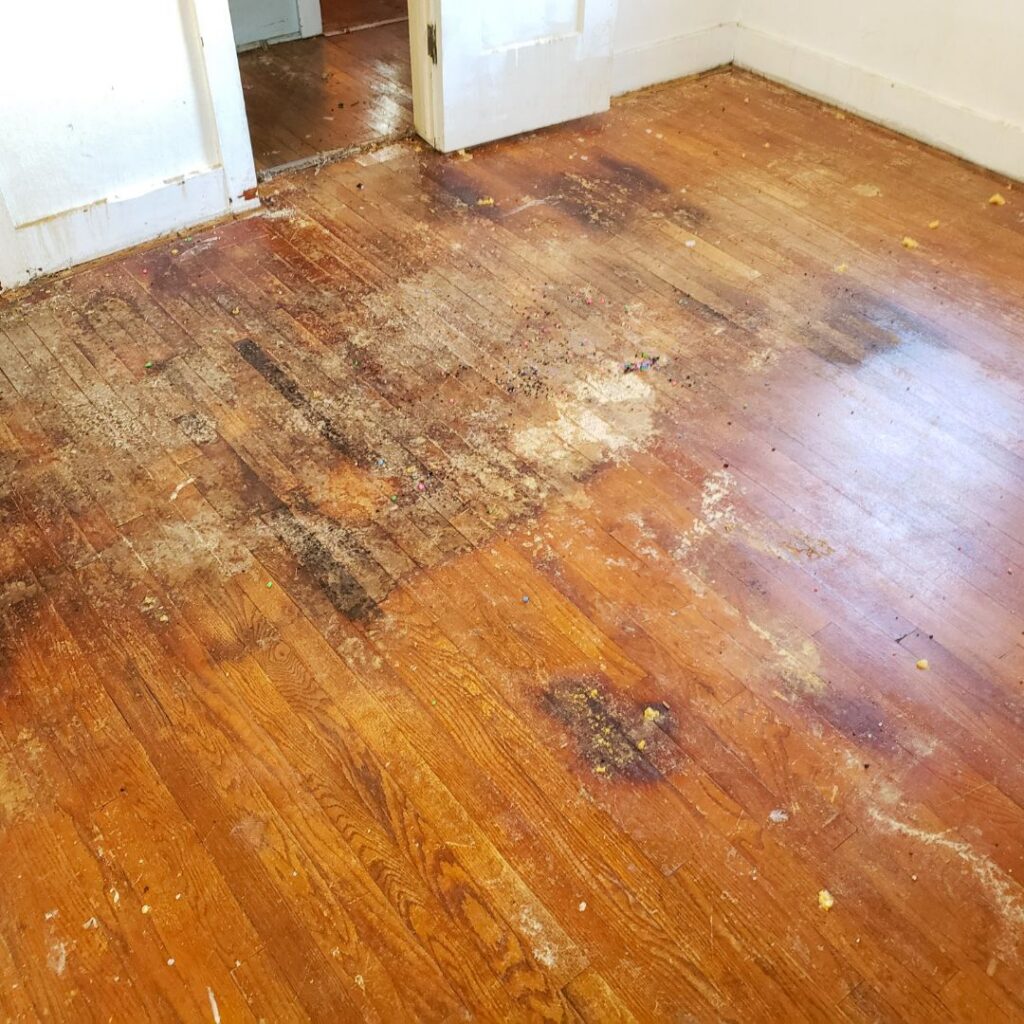
Walking across your home and suddenly noticing that your floor feels soft, spongy, or bouncy underfoot can be alarming—and for good reason. This isn’t just a cosmetic issue or normal wear and tear. In most cases, soft floors are a clear warning sign of hidden moisture damage beneath the surface.
For homeowners, especially in areas prone to plumbing issues, humidity, or storm-related leaks, moisture trapped under flooring can quietly cause rot, mold growth, and structural weakening long before visible damage appears. In this guide, we’ll break down how moisture gets under your floors, why it leads to rot, the risks of delaying repairs, and when it’s time to call a professional water damage restoration company.
Table of Contents
What Does a “Soft” or “Spongy” Floor Really Mean?
A healthy floor should feel solid and stable. When it begins to flex or compress under pressure, the problem is usually below the finished flooring, not on top of it.
Most residential floors are built with:
- Finished flooring (hardwood, laminate, tile, vinyl, or carpet)
- An underlayment
- A subfloor, typically plywood or OSB (oriented strand board)
When moisture penetrates the subfloor, it absorbs water like a sponge. Over time, this causes:
- Swelling and delamination
- Loss of structural strength
- Fungal growth that leads to wood rot
By the time softness is noticeable, hidden moisture has often been present for weeks or even months.
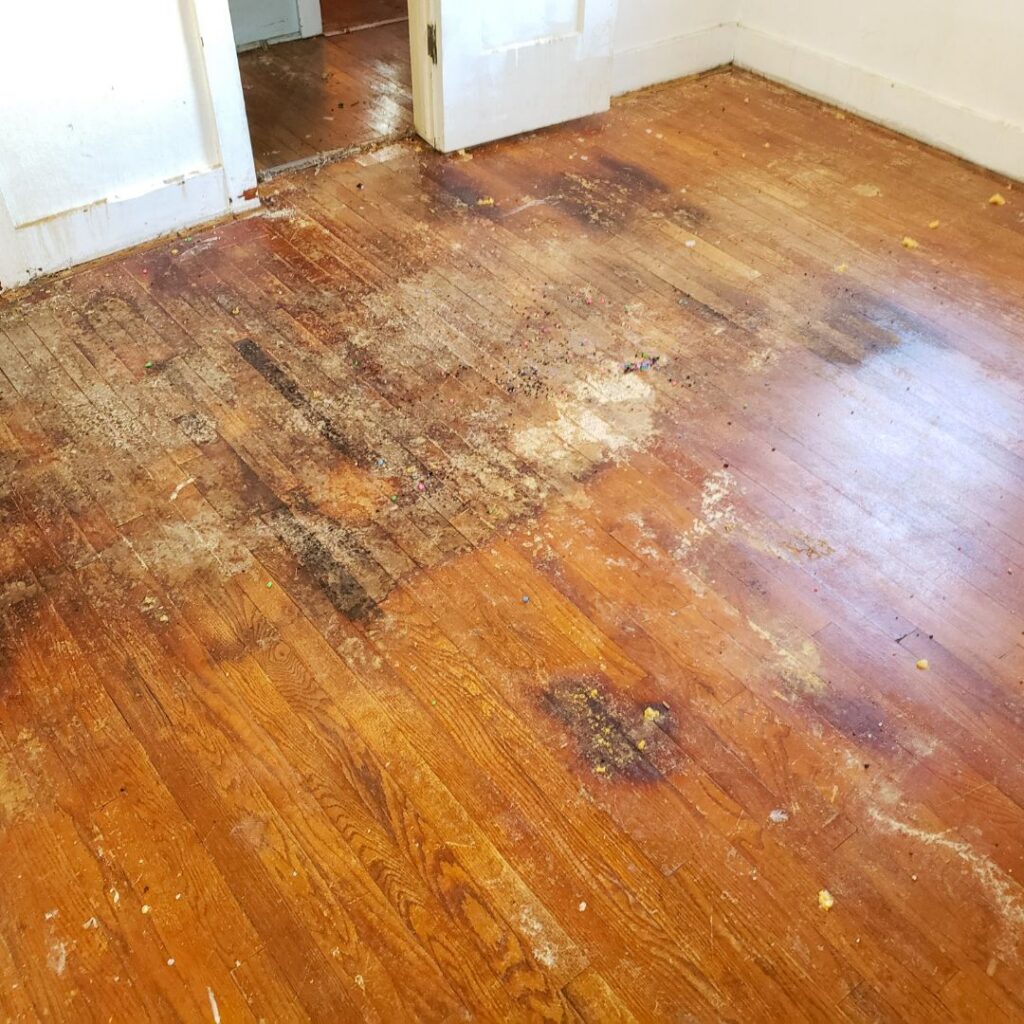
Common Sources of Hidden Moisture That Damage Floors
Leaking Plumbing Lines
Slow leaks from supply lines, drain pipes, or slab plumbing are one of the most common causes of soft floors. These leaks often go unnoticed because the water spreads under flooring, not across it.
Appliance Leaks
Dishwashers, washing machines, water heaters, and refrigerators with ice makers frequently develop small leaks. A few drops per day may not seem serious, but over time, they can completely saturate the subfloor.
Roof and Window Leaks
Water doesn’t always drip straight down. It can travel along framing, walls, and joists before settling beneath floors—especially near exterior walls.
Bathrooms and Kitchens
Failed caulking, loose toilet seals, overflowing tubs, or shower pan leaks allow moisture to seep beneath tile and vinyl flooring, where it becomes trapped.
How Hidden Moisture Turns Solid Floors Into Rot
Moisture damage is progressive. Here’s how it typically unfolds:
- Water intrusion begins (leak, spill, or seepage)
- The subfloor absorbs moisture through capillary action
- Wood fibers swell and weaken
- Prolonged dampness creates ideal conditions for fungal growth
- Wood rot develops, compromising structural integrity
Once rot sets in, drying alone is no longer enough. The affected materials may need to be removed and replaced to ensure safety.
Warning Signs Hidden Moisture Is Destroying Your Floors
Soft floors rarely occur without other clues. Watch for:
- Floors that feel bouncy, spongy, or uneven
- Persistent musty odors
- Buckling, cupping, or sagging floorboards
- Discoloration near baseboards or seams
- Increased allergy or respiratory symptoms indoors
These symptoms often indicate hidden water damage and potential mold growth beneath your flooring.
Why Ignoring Soft Floors Is a Costly Mistake
Delaying action can dramatically increase repair costs and risks.
- Structural damage: Rot can spread to joists and load-bearing components
- Mold growth: Trapped moisture encourages mold colonies under flooring
- Safety hazards: Severely weakened floors can collapse under weight
- Insurance issues: Delayed reporting may reduce coverage eligibility
Early professional intervention often means less demolition and lower restoration costs.
How Professionals Detect Hidden Moisture Under Floors
Water damage restoration professionals use specialized tools to find what the eye can’t see, including:
- Non-invasive moisture meters
- Thermal imaging cameras
- Hygrometers to measure ambient moisture levels
These methods allow technicians to identify the full extent of moisture damage without unnecessary tear-out—something DIY inspections often miss.
Professional Water Damage Restoration vs. DIY Repairs
Many homeowners attempt to fix soft floors by replacing surface materials alone. Unfortunately, this rarely solves the problem.
DIY limitations include:
- Inability to fully dry the subfloor
- No antimicrobial or mold prevention treatment
- Failure to locate the moisture source
Professional restoration ensures:
- Complete moisture extraction and drying
- Treatment to prevent mold and bacteria
- Structural repairs done to industry standards
- Proper documentation for insurance claims
When to Call a Water Damage Restoration Expert
You should contact a professional immediately if:
- Soft floors persist beyond 24–48 hours
- The source of moisture is unknown
- There are signs of mold or rot
- The damage follows a plumbing or appliance leak
Fast response is critical to preventing long-term structural damage.
How Professional Restoration Restores Soft Floors
A professional restoration process typically includes:
- Identifying and stopping the moisture source
- Extracting trapped water
- Industrial drying and dehumidification
- Antimicrobial treatment
- Subfloor repair or replacement
- Reinstallation of flooring materials
This approach ensures your floors are not just visually repaired—but structurally sound and safe.
Preventing Future Moisture Damage Under Your Floors
Homeowners can reduce risk by:
- Scheduling routine plumbing inspections
- Maintaining appliances and hoses
- Resealing bathrooms and kitchens regularly
- Addressing leaks immediately—no matter how small
Early detection is the most effective way to avoid rot and costly repairs.
Final Thoughts: Don’t Ignore the Warning Signs
Soft or spongy floors are one of the most telling signs of hidden water damage in Lawrenceville homes. When moisture is left unchecked, what starts as a small leak can quickly escalate into subfloor rot, mold growth, and serious structural issues.
If your floors feel soft underfoot, the safest next step is a professional moisture inspection by PuroClean of Lawrenceville. Our trained technicians use advanced detection equipment to uncover hidden moisture, stop the source of damage, and restore your property before the problem worsens.