 PuroClean of Lawrenceville
Winter may bring chilly temperatures, cozy fireplaces, and festive gatherings—but it also brings a hidden threat to homeowners in Lawrenceville, GA: winter water damage. From frozen pipes to storm-induced leaks, winter can silently compromise your home’s structure, promote mold growth, and reduce your property value if left unchecked.
In this post, we’ll explore how winter water damage occurs, its immediate and hidden effects on home value, prevention strategies, and the importance of professional restoration.
Table of Contents
What Is Winter Water Damage?
Winter water damage happens when water infiltrates your home during cold weather, causing both visible and hidden damage. In Georgia, the most common sources include:
- Frozen or burst pipes: Even mild winter temperatures can cause exposed or poorly insulated pipes to freeze and burst, releasing hundreds of gallons of water in a short time.
- Roof leaks and ice dams: Heavy rain, combined with poor attic insulation, can lead to leaks or standing water under shingles. Ice dams can trap water on the roof, forcing it into ceilings and walls.
- Basement and crawlspace flooding: Poor drainage, clogged gutters, or rainwater runoff during winter storms can flood lower levels of your home.
- Appliance failures: Water heaters, washing machines, and dishwashers can fail in cold temperatures, spilling water into surrounding areas.
- Subtle leaks: Water can seep slowly through walls, ceilings, or under floors, often going unnoticed until it causes significant damage.
Local insight: Lawrenceville homes with older plumbing or slab foundations are particularly vulnerable, as these structures don’t always allow water to drain effectively, leading to hidden structural damage.
Immediate Impacts on Home Value
Winter water damage can immediately lower your home’s value, even if you’re not selling. Key impacts include:
- Visible Damage:
- Warped hardwood or laminate floors
- Ceiling and wall stains from roof or pipe leaks
- Peeling paint or damaged drywall
- Structural Concerns:
- Water can weaken joists, subfloors, and drywall
- Persistent water exposure may cause sagging ceilings or flooring instability
- Aesthetic Impact:
- Buyers and appraisers notice damage immediately
- Water-stained walls, warped floors, or damp smells can make your home appear neglected
- Insurance Complications:
- Insurance companies may increase premiums or scrutinize future claims
- Evidence of damage without repair documentation can complicate future coverage
Example: A January pipe burst in a Lawrenceville kitchen can soak cabinets and flooring. Without immediate restoration, your home’s market value could decrease by thousands due to damage and necessary repairs.
Hidden Impacts That Reduce Home Value Over Time
Some damage isn’t visible right away but can significantly impact long-term home value:
- Mold Growth:
- Mold can develop in as little as 24–48 hours after water exposure
- Common in crawlspaces, basements, wall cavities, and under flooring
- Mold remediation is costly and may deter potential buyers
- Persistent Odors:
- Damp or musty smells affect livability and reduce buyer interest
- Compromised Insulation and Energy Efficiency:
- Wet insulation loses effectiveness, increasing heating bills
- Can contribute to winter energy inefficiency
- Electrical and Appliance Damage:
- Water in electrical systems can cause hazards or require costly repairs
- Damaged appliances may need replacement
- Long-Term Structural Weakening:
- Prolonged water exposure can warp floor joists, subfloors, and walls
- Structural damage reduces home safety and resale potential
Local note: Lawrenceville homes with older or poorly insulated crawlspaces are especially prone to hidden water damage that can go unnoticed until it’s severe.
How Winter Water Damage Shows Up in Home Inspections
If you plan to sell your home, inspections are a critical factor in your home’s market value. Winter water damage often appears as:
- Water stains on ceilings, walls, or floors
- Evidence of repairs or patchwork
- Mold or mildew growth in crawlspaces, attics, or basements
- Drainage or foundation issues due to improper grading
Impact: Buyers may negotiate lower prices, require remediation, or avoid your property altogether. Proper professional restoration can mitigate these effects and maintain your home’s value.
Financial Consequences of Winter Water Damage
Unaddressed winter water damage can have serious financial consequences:
- Rising Repair Costs: Minor leaks left untreated can escalate into major structural damage.
- Insurance Challenges: Untreated water damage may lead to denied claims or higher premiums.
- Reduced Resale Value: Homes with a history of water damage sell for less unless certified restoration is completed.
Case example: A small leak from a burst pipe can lead to warped flooring, drywall replacement, and mold remediation. Total costs can easily exceed several thousand dollars, and the home may sell for less if repairs aren’t documented professionally.
Preventing Winter Water Damage to Protect Home Value
Preventing water damage is always more cost-effective than repairing it. Lawrenceville homeowners can take these steps:
- Insulate Pipes: Protect exposed pipes in attics, basements, and crawlspaces with foam or heating tape.
- Maintain Safe Home Temperatures: Keep your thermostat at a minimum of 55°F during cold snaps.
- Let Faucets Drip: Prevent pressure buildup in pipes that could lead to bursting.
- Clear Gutters and Downspouts: Prevent ice dams and ensure proper drainage away from the home.
- Inspect Roofs and Attics: Check for leaks, damaged shingles, or poor ventilation.
- Winterize Crawlspaces and Basements: Use proper grading, sump pumps, and vapor barriers to prevent water accumulation.
Pro Tip: Regular maintenance now saves thousands later and preserves your home’s market value.
The Role of Professional Water Damage Restoration
Even with preventive measures, accidents happen. Professional restoration is critical for protecting your home’s value:
- Rapid Water Removal: Experts remove standing water quickly to prevent structural warping.
- Hidden Moisture Detection: Thermal imaging and moisture meters identify trapped water in walls, floors, or crawlspaces.
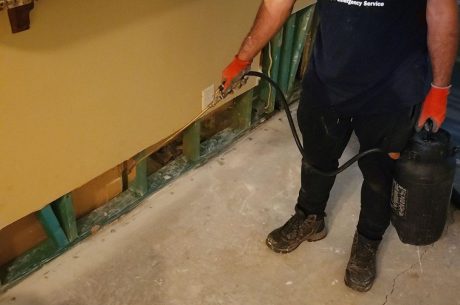
- Mold Prevention: Anti-microbial treatments prevent mold growth before it becomes a costly problem.
- Insurance Support: Professionals document damage and provide detailed reports to facilitate claims.
- Local Expertise: Restoration companies in Lawrenceville understand local construction risks, such as slab foundations and stormwater issues.
Key takeaway: Certified restoration ensures full recovery, safeguards your home, and protects your property value.
Selling a Home With Past Winter Water Damage
In Georgia, homeowners are required to disclose prior water damage. Selling a home without addressing damage can reduce sale price or create liability issues.
Tips for homeowners selling after winter damage:
- Complete all necessary repairs and restoration before listing.
- Document restoration work with reports and certifications.
- Address mold, odors, and cosmetic repairs to maintain buyer confidence.
Professional restoration helps your home retain its value and appeal in the competitive Lawrenceville real estate market.
Winter water damage is more than a seasonal nuisance—it can have significant short- and long-term effects on your home’s value. From burst pipes and roof leaks to hidden mold and structural weakening, ignoring winter water damage can cost thousands in repairs and decrease your property value.
Prevention, prompt restoration, and professional services are key to keeping your home safe, healthy, and valuable. By addressing water damage quickly and thoroughly, Lawrenceville homeowners can maintain comfort, resale potential, and long-term investment protection.
Protect Your Lawrenceville Home From Winter Water Damage
Don’t wait for frozen pipes or storm leaks to cause costly damage. Contact PuroClean of Lawrenceville for professional water damage inspection, emergency restoration, and mold prevention. Our certified technicians are available 24/7 to keep your home safe, dry, and valuable.


 PuroClean of Lawrenceville