


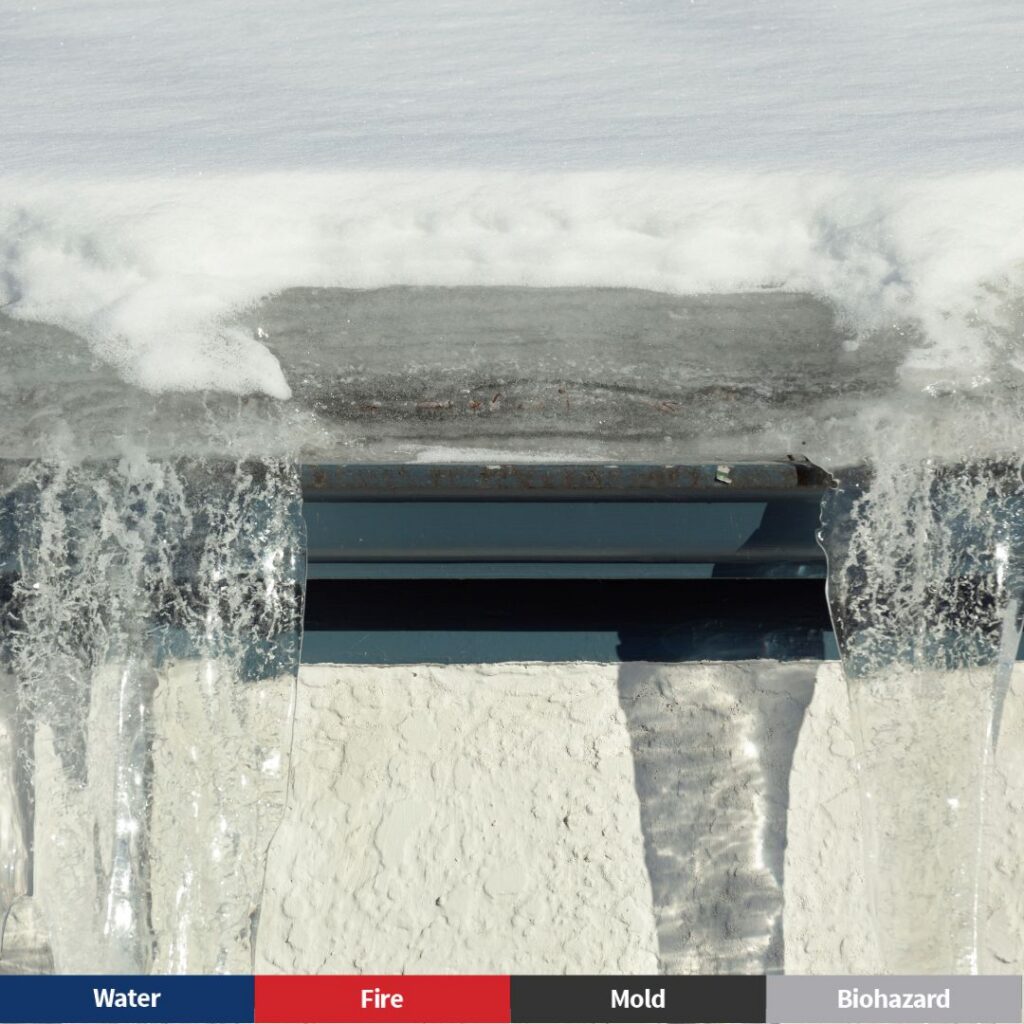
When Georgia temperatures dip below freezing, winter water damage becomes one of the most common and expensive winter emergencies for homeowners. While Georgia winters may be shorter than in northern states, the sudden cold snaps, aging plumbing infrastructure, crawlspace construction, and heavy winter rainfall create the perfect conditions for burst pipes, roof leaks, flooded crawlspaces, and interior water damage.
In Lawrenceville and across Gwinnett County, many homeowners are caught off guard because they assume their homes are “safe” from winter-related flooding. Unfortunately, winter water damage restoration professionals see the opposite every year.
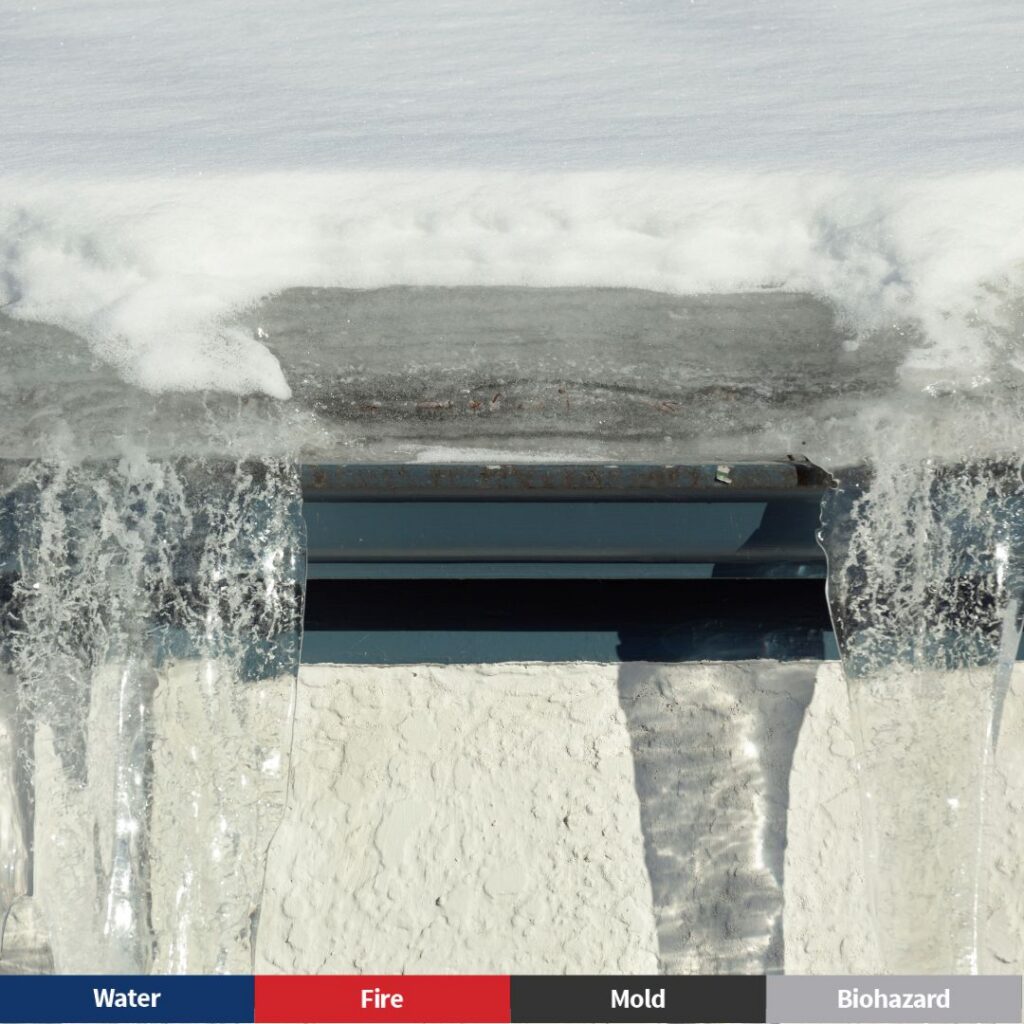
The following 10 cold-weather maintenance tips are designed to help Georgia homeowners reduce risk, protect their property, and avoid costly winter water damage and flood damage restoration emergencies.
Table of Contents
1. Insulate Exposed Pipes (Even in Georgia)
Pipe insulation is the single most effective way to prevent frozen and burst pipes during cold weather. Pipes located in crawlspaces, garages, attics, exterior walls, laundry rooms, and under sinks are especially vulnerable because they are exposed to colder air.
When temperatures drop overnight, unprotected pipes can freeze within hours. As water freezes, it expands inside the pipe, increasing internal pressure until the pipe cracks or bursts—often silently, inside walls or ceilings.
Expanded best practices:
- Use foam pipe insulation sleeves on all exposed piping
- Secure insulation tightly, especially at joints and elbows
- Seal wall and foundation penetrations with caulk or expanding foam
- Prioritize older plumbing materials like galvanized steel or copper
A single burst pipe can release hundreds of gallons of water, leading to ceiling collapse, soaked flooring, and mold growth if not addressed immediately.
2. Keep Your Thermostat at a Safe Minimum Temperature
One of the most common winter mistakes Georgia homeowners make is turning down—or completely turning off—their heat during cold weather. Even brief periods of low indoor temperature can cause pipes inside walls to freeze.
Pipes don’t need extreme cold to fail. In Georgia homes, freezing can occur when interior temperatures drop below safe levels for several hours.
Detailed guidance:
- Keep your thermostat set to at least 55°F, even when away
- Maintain consistent heating throughout the home, including unused rooms
- Open interior doors to allow warm air to circulate around plumbing walls
- Use smart thermostats to monitor and adjust temperatures remotely
Many winter flood emergencies occur while homeowners are traveling for holidays or work and don’t realize a pipe has burst until returning to extensive damage.
3. Let Faucets Drip During Extreme Cold
Allowing faucets to drip during freezing temperatures is a proven way to reduce pipe pressure and prevent bursting. Flowing water is less likely to freeze than stagnant water.
This technique is especially important during overnight freezes, when temperatures drop suddenly.
Expanded tips:
- Let both hot and cold water drip slightly
- Focus on faucets connected to exterior walls
- Prioritize upper-floor plumbing, which freezes faster
- Combine dripping with open cabinet doors under sinks to allow warm air in
While homeowners may worry about water usage, the cost of dripping faucets is minimal compared to the thousands of dollars associated with flood damage restoration.
4. Shut Off and Drain Outdoor Faucets and Irrigation Lines
Outdoor plumbing is one of the most overlooked causes of winter water damage in Georgia homes. Hose bibs and irrigation systems often freeze first because they are fully exposed to outdoor temperatures.
When outdoor pipes freeze, the damage frequently occurs inside the wall, leading to interior flooding once temperatures rise.
Expanded prevention steps:
- Disconnect and store garden hoses
- Shut off the interior water supply feeding outdoor faucets
- Drain remaining water from the line
- Install insulated faucet covers
- Winterize irrigation and sprinkler systems
Older homes in Lawrenceville are particularly vulnerable due to outdated plumbing layouts and lack of shutoff valves.
5. Clean Gutters and Extend Downspouts Away From the Foundation
Clogged gutters are a hidden cause of winter flood damage. When gutters are blocked by leaves, pine needles, or debris, rainwater has nowhere to go. Instead, it spills over roof edges and collects near the foundation.
In winter, this water can seep into crawlspaces, basements, and foundation walls, causing moisture intrusion and flooding.
Expanded maintenance checklist:
- Clean gutters thoroughly before winter
- Inspect for sagging, cracks, or loose fasteners
- Ensure downspouts extend at least 6 feet from the home
- Use splash blocks or extensions to redirect water
Poor drainage is a leading cause of crawlspace flooding and foundation water damage in Georgia.
6. Protect Crawlspaces From Cold Air and Moisture
Crawlspaces are common in Georgia homes and present unique risks during cold weather. Cold air infiltration, high humidity, and poor drainage make crawlspaces a prime location for frozen pipes and hidden water damage.
Because crawlspaces are rarely visited, damage often progresses unnoticed until floors warp, odors develop, or mold appears indoors.
Expanded protection strategies:
- Install vapor barriers to reduce moisture
- Seal crawlspace vents during cold snaps
- Ensure proper grading and drainage around the home
- Insulate pipes and subfloor areas
Protecting the crawlspace protects the entire home’s structural integrity.
7. Inspect Your Roof and Attic for Winter Vulnerabilities
Winter rain and cold temperatures expose weaknesses in roofing systems. Small issues—like cracked flashing or missing shingles—can allow water to enter the attic and eventually seep into ceilings and walls.
Attic moisture problems often go unnoticed until visible damage appears inside the home.
Expanded inspection points:
- Look for loose, curling, or missing shingles
- Inspect flashing around chimneys, vents, and skylights
- Check attic insulation for dampness or compression
- Watch for condensation buildup during cold nights
Early detection prevents ceiling collapse and widespread interior damage.
8. Test Your Sump Pump and Drainage Systems
Winter storms and saturated soil place heavy strain on drainage systems. If a sump pump fails during a storm, water can quickly flood crawlspaces or basements.
Cold weather can also freeze discharge lines, rendering sump pumps ineffective.
Expanded testing steps:
- Pour water into the sump pit to ensure activation
- Inspect discharge lines for blockages or freezing risk
- Install a battery backup system
- Check alarms and float switches
Many emergency flood cleanup calls occur because sump pumps were never tested before winter storms.
9. Seal Air Leaks Around Doors, Windows, and Utility Openings
Cold air entering your home doesn’t just increase heating costs—it can freeze pipes hidden inside walls. Utility penetrations and poorly sealed openings allow cold drafts to reach plumbing.
Expanded sealing checklist:
- Caulk gaps around window frames and door trim
- Install weatherstripping on doors
- Seal utility line entry points
- Insulate garage-adjacent walls
Sealing air leaks improves comfort, energy efficiency, and pipe protection.
10. Schedule a Pre-Winter Water Damage Inspection
Professional inspections provide a level of protection homeowners can’t achieve alone. Restoration professionals use moisture meters, thermal imaging, and experience to identify risks before visible damage occurs.
Expanded inspection benefits:
- Detect slow leaks and hidden moisture
- Identify insulation and ventilation issues
- Catch early pipe stress before bursting
- Reduce emergency repair costs
Preventive inspections are especially valuable for older homes in Lawrenceville and Gwinnett County.
What to Do If Winter Water Damage Happens Despite Prevention
If winter water damage occurs during cold weather, immediate action is critical:
- Shut off the main water supply
- Avoid standing water near electrical outlets
- Document damage for insurance
- Contact a professional restoration company immediately
Delays increase the risk of mold growth, structural damage, and higher repair costs.
Why Professional Winter Water Damage Restoration Matters in Winter
Cold temperatures slow evaporation, making winter water damage harder to dry. DIY methods often leave moisture trapped inside walls, insulation, and flooring.
Professional restoration ensures:
- Complete water extraction
- Controlled drying and dehumidification
- Detection of hidden moisture
- Proper documentation for insurance claims
Winter water damage restoration requires expertise, equipment, and speed.
Protect Your Lawrenceville Home Before the Next Cold Snap
Cold-weather water damage is preventable—but only with preparation. If you live in Lawrenceville or the surrounding Gwinnett County area, professional guidance can save you thousands in repairs.
PuroClean of Lawrenceville offers:
- 24/7 emergency water damage restoration
- Burst pipe cleanup and drying
- Crawlspace and basement flood restoration
- Preventive inspections and moisture detection
Take action before the next cold snap turns into a flood emergency.