 PuroClean Emergency Restoration
Water damage can strike at any time—whether from a burst pipe, roof leak, heavy rain, or flooding. And in Maryland’s humid climate, it doesn’t take long for standing water or damp materials to turn into a breeding ground for mold. In fact, mold can begin growing within 24 to 48 hours of water exposure. For homeowners in Linthicum Heights, MD, understanding how to prevent mold growth after water damage is essential to protecting both your home and your health. At PuroClean Emergency Restoration, we specialize in mitigating these risks and restoring your home before small issues become costly disasters.
The Connection Between Water Damage and Mold
Mold spores are everywhere—they exist naturally in the air and on surfaces. However, they only become a problem when they find the right conditions to grow: moisture, warmth, and organic materials such as drywall, wood, and carpet. After water damage, these conditions are often present in abundance.
If affected areas aren’t dried properly, moisture can seep deep into porous materials and remain trapped. Over time, this leads to hidden mold growth behind walls, under floors, or inside HVAC systems—areas that are difficult to reach without professional equipment.
Step 1: Respond Quickly to Water Damage
The most important step in mold prevention is immediate action. Time is your biggest enemy after water damage. As soon as you notice a leak or flooding:
- Shut off the water source if possible.
- Turn off electricity in affected areas for safety.
- Contact a professional restoration company like PuroClean Emergency Restoration right away.
Our technicians are available 24/7 to respond to emergencies in Linthicum Heights and surrounding areas. We begin by extracting standing water, inspecting for hidden moisture, and setting up drying equipment to stop mold before it starts.
Step 2: Remove Standing Water and Moisture
Even a small amount of standing water can cause major problems. Use mops, towels, or wet vacuums to remove visible water. However, while DIY methods can handle surface moisture, they often can’t reach what’s beneath the surface.
Professional-grade water extraction tools and industrial dehumidifiers are essential for completely drying materials such as subflooring, insulation, and drywall. At PuroClean, we use advanced drying technology and moisture meters to ensure all hidden moisture pockets are eliminated.
Step 3: Promote Proper Airflow
Good airflow helps accelerate the drying process and prevents damp air from settling in confined spaces. Open windows and doors when weather allows, and run fans to circulate fresh air.
If water damage occurs during humid Maryland summers, use a dehumidifier to remove excess moisture from the air. Keeping indoor humidity below 50% is one of the best long-term defenses against mold.
Step 4: Dispose of Unsalvageable Materials
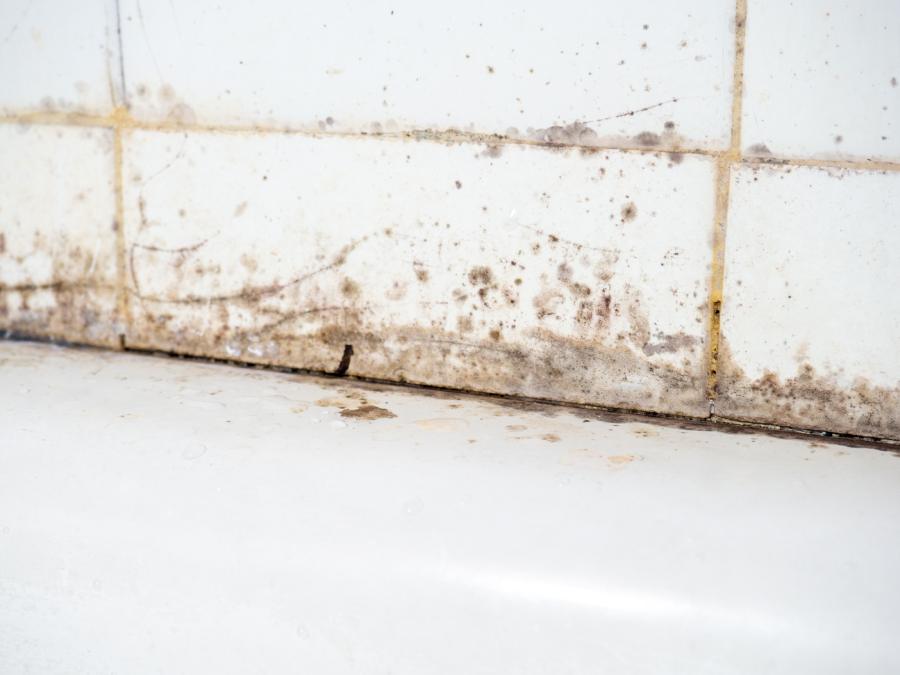
Certain materials—especially porous ones—can hold onto moisture and become moldy even after surface cleaning. Carpets, padding, insulation, cardboard boxes, and drywall often need to be removed if they’ve been saturated for more than 24 hours.
Our team carefully evaluates which materials can be saved and which must be replaced. We then safely dispose of contaminated items following EPA and IICRC (Institute of Inspection, Cleaning and Restoration Certification) standards.
Step 5: Clean and Disinfect All Surfaces
Once affected areas are dry, it’s time for thorough cleaning and sanitization. Mold spores can still remain even after moisture is gone, so disinfecting all surfaces is critical. Use EPA-approved antimicrobial or antifungal cleaning solutions to kill spores and bacteria.
At PuroClean Emergency Restoration, our technicians use specialized products designed to neutralize mold spores while being safe for your home and family. We also treat air ducts and HVAC systems to prevent spores from spreading.
Step 6: Inspect Hidden and High-Risk Areas
Even when a space looks clean and dry, moisture can linger in hidden spots. Pay attention to:
- Wall cavities and baseboards
- Under flooring and carpets
- Behind cabinets and vanities
- Attics and crawlspaces
- HVAC vents and ducts
Professional moisture mapping and thermal imaging can reveal damp areas that are invisible to the naked eye. We use these tools to ensure every part of your home is completely dry and safe.
Step 7: Repair and Restore
Once your property is dry and disinfected, the final step is restoration. This may include replacing drywall, flooring, insulation, or structural elements that were damaged by water or mold. Our team at PuroClean handles both cleanup and reconstruction, making the process seamless from start to finish.
Long-Term Mold Prevention Tips for Linthicum Heights Homeowners
To keep mold from returning, consider these proactive steps:
- Install a dehumidifier in your basement or crawlspace.
- Maintain gutters and downspouts to direct rainwater away from your foundation.
- Seal windows and doors to prevent leaks during storms.
- Inspect plumbing regularly for drips and condensation.
- Ventilate bathrooms and kitchens using exhaust fans that vent outdoors.
Maryland’s changing seasons make moisture control a year-round task, but a few simple habits can go a long way toward keeping your home mold-free.
Trust PuroClean Emergency Restoration for Mold Prevention and Cleanup
When water damage strikes, every minute counts. PuroClean Emergency Restoration is proud to serve Linthicum Heights and nearby communities with fast, effective water extraction, drying, and mold remediation services. Our certified technicians identify problem areas, remove contamination safely, and restore your home to its pre-damage condition.
Don’t wait for mold to take hold—call PuroClean at the first sign of water damage. With our expertise and advanced technology, we’ll ensure your property stays clean, dry, and healthy long after the storm has passed.


 PuroClean Emergency Restoration