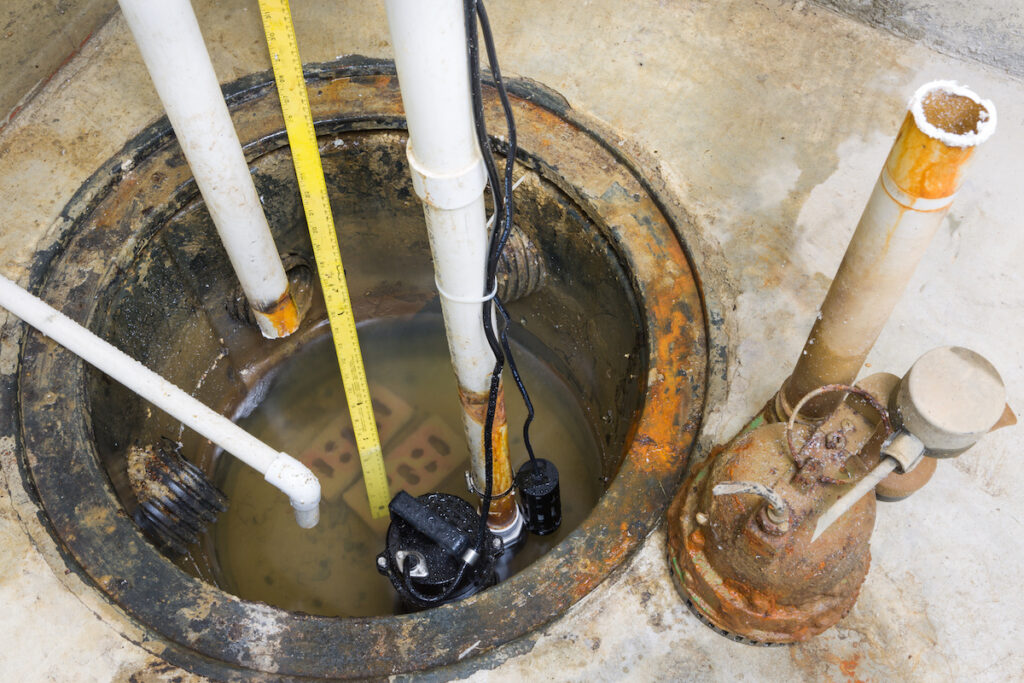


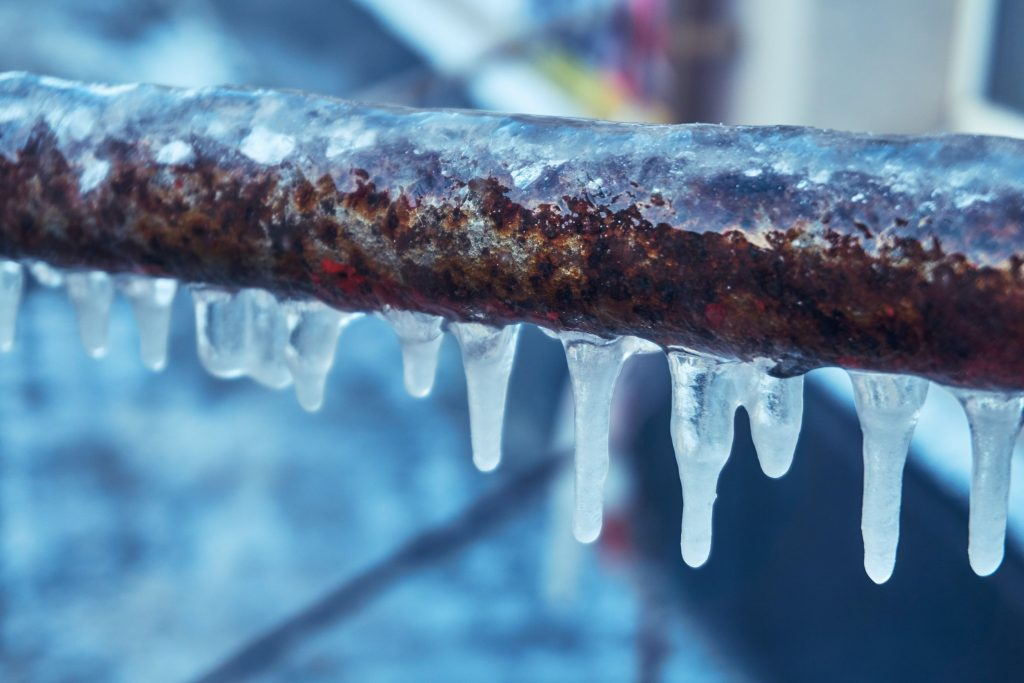

Winter brings joy, holiday excitement, and a sense of carefree comfort. Winter also brings colder temperatures that significantly increase the risk of a frozen sump pump and frozen pipes.
When a sump pump discharge hose freezes, the pump is forced to run under extreme strain as it tries to push water through a blocked line. This can quickly lead to overheating, motor burnout, and complete system failure, often at the worst possible time. If the pump stops working while water is accumulating in the sump basin, you could face serious basement flooding, structural damage, and even mold growth. Preventing your sump pump discharge line from freezing is one of the most important winter maintenance tasks for any homeowner.
1. Position the Discharge Line Correctly
The first step in preventing freezing is making sure the discharge line is installed properly. The pipe outside your home should either be buried underground or installed above ground with a continuous downward slope. A gradual slope allows water to move freely instead of sitting in low spots where ice can form. Even a small dip can trap water and freeze solid overnight.
2. Bury the Pipe Below the Frost Line
For a buried discharge line, have a qualified installer determine the required depth, slope, outlet, and materials using local requirements and the pump manufacturer’s instructions. Frost depth varies by location; there is no universal five-inch allowance that guarantees freeze protection.
3. Above-Ground Setup Tips
If an above-ground discharge is appropriate, use the manufacturer-recommended materials and a continuous slope to a permitted discharge location. Have an installer determine the necessary distance from the foundation and any freeze-relief provisions. Keep the outlet clear; do not direct water onto neighboring property or walking surfaces.
4. Insulate the Discharge Line
If installing above ground, consider insulation. Insulation is an effective way to guard against frozen sump pumps. For extra protection:
- Ask an installer whether approved insulation or a listed heat-tracing system is appropriate for the pipe and conditions.
- Wrap insulation around exposed pipe sections.
- Do not obstruct the outlet or cover equipment with combustible materials.
Never pour automotive antifreeze into the sump system. It is toxic, harmful to groundwater, and can damage your pump components.

5. Routine Maintenance and Winter Checks
Even the best-installed sump pump system needs periodic checks. Test your sump pump regularly, especially before and during freezing temperatures. Clear snow and ice away from flexible hoses and make sure nothing is blocking the water flow. You should also ensure that your pump does not discharge water across sidewalks or driveways. If it does, it will create dangerous sheets of ice.
A sump pump working overtime during the winter is often a sign of high groundwater or melting snow. If you hear unusual noises or notice the pump running constantly, inspect your discharge line immediately for blockages or ice build-up.
6. Safe Thawing Methods
If your sump pump discharge pipe has already frozen:
- Contact a qualified plumber or pump installer about a frozen line. Do not place a portable heater in a wet area; use heat-tracing products only when approved for the pipe and installed as directed.
- Never use a blow torch or open flame. They pose a major fire hazard and can damage siding, insulation, or the pipe itself.
- If discharge is blocked, follow the pump manufacturer’s instructions and arrange prompt repair. Turning off a pump can allow flooding, so discuss safe temporary water management with the installer. Call PuroClean for resulting water damage cleanup.
When You Need Help
A frozen sump pump line can easily result in water damage or mold issues if not addressed quickly. If you need professional assistance with water cleanup or mold remediation, contact PuroClean of Linwood for fast, reliable service. PuroClean’s trained technicians can help restore your property safely and efficiently, giving you peace of mind all winter long.