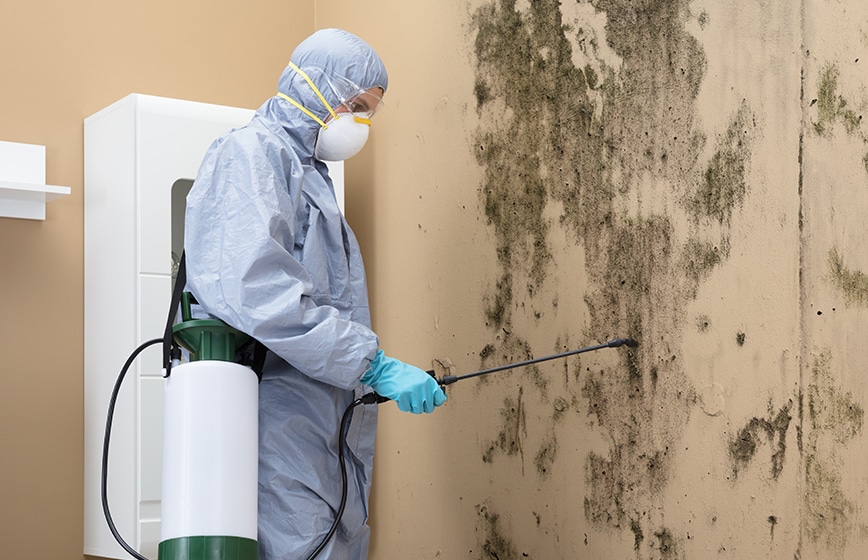


Mold growth in damp buildings can affect indoor air quality. Some people experience allergic or respiratory symptoms, while others have no symptoms. A property inspection assesses moisture and growth; it cannot diagnose illness or determine that mold caused a particular symptom. Seek medical advice for health concerns.

1. Respiratory Symptoms
Mold exposure often begins with respiratory issues that can worsen over time. Common symptoms include:
- Persistent Coughing: A persistent or worsening cough that doesn’t seem to improve may be one of the first signs of mold exposure.
- Wheezing and Shortness of Breath: Difficulty breathing or a whistling sound when breathing, especially during physical activity, can signal mold-related respiratory issues.
- Sneezing and Throat Irritation: Frequent sneezing, especially in mold-prone areas of your home, and a scratchy or sore throat are common symptoms tied to mold exposure.
If these symptoms are present and you suspect mold, or if they appear unexpectedly, call PuroClean for a mold inspection in Winston-Salem.
2. Allergic Reactions
Mold can exacerbate allergies or trigger new allergic reactions, including:
- Runny or Stuffy Nose: Persistent nasal congestion or a clear nasal discharge, often accompanied by sneezing, can be a sign of mold exposure.
- Itchy or Watery Eyes: Mold exposure can cause red, itchy, or watery eyes that may become swollen.
- Skin Irritation: Rashes, itching, or hives, particularly after coming into contact with mold-infested surfaces, are a common symptom.
3. Chronic Fatigue and Headaches
Fatigue and headaches have many possible causes. They should not be treated as a diagnosis of mold exposure.
- Chronic Fatigue: Persistent unusual tiredness needs medical evaluation rather than an assumption that mold is responsible.
- Frequent Headaches: Discuss recurring headaches with a healthcare professional. Sudden symptoms affecting several people may indicate an urgent environmental hazard such as carbon monoxide; leave the area and call emergency services when suspected.
4. Increased Sensitivity to Allergens
Symptoms that occur in a particular space may warrant investigation of dampness, ventilation, and other possible irritants.
- Worsening Symptoms in Certain Areas: If symptoms like sneezing, coughing, or congestion are more intense in specific areas of your home (such as the basement or bathroom), mold could be to blame.
- Other Allergens: Pollen, dust mites, and other exposures can cause similar symptoms. A clinician can help identify relevant triggers.
5. Musty Odor
A musty smell is often one of the first noticeable signs of mold. If you detect a strong, musty odor, especially in damp or hidden areas like basements, attics, or bathrooms, this may indicate mold growth. Mold often thrives in these areas, and the smell intensifies when humidity levels rise. A professional mold inspection in Winston-Salem will confirm if mold is the source of the odor.
6. Sinus and Respiratory Infections
People with weakened immune systems or chronic lung disease may be at greater risk of mold-related lung infections. A building inspection cannot diagnose an infection.
- Persistent Sinus Symptoms: Ask a healthcare professional to evaluate recurring symptoms, which can have multiple causes.
- Chest Symptoms: Fever, chest discomfort, or worsening breathing needs medical assessment. Do not assume a property problem explains an illness.
7. Asthma Flare-Ups
For those with asthma, mold exposure can trigger or worsen symptoms. If you notice more frequent asthma flare-ups—such as increased coughing, wheezing, or shortness of breath—it could be due to mold spores in your home. A mold inspection in Winston-Salem can assess dampness and visible growth while your clinician evaluates respiratory symptoms.
8. Neurological Symptoms
Concentration or memory changes are not specific evidence of indoor mold exposure and should be evaluated medically.
- Difficulty Concentrating: Seek clinical advice for new or persistent changes in concentration.
- Memory Problems: A mold inspection cannot establish the cause of memory difficulties or mental fog.
9. Visible Mold and Staining
Visible mold growth is an obvious sign that action is needed. Mold can appear in various colors, including black, green, white, or even orange. It often grows in damp areas, especially in spaces that have experienced water damage, such as bathrooms, kitchens, and basements. Staining or discoloration of walls, ceilings, or floors can also be a sign of hidden mold. If you see these signs, a mold inspection in Winston-Salem is crucial to assess the extent of the contamination.
10. Fungal Infections
In severe cases of mold exposure, individuals may develop fungal infections, particularly on the skin or in the respiratory tract. If you suspect mold-related fungal infections, seek medical attention and arrange for a mold inspection in Winston-Salem to assess the property’s moisture and mold conditions.
11. Increased Allergy Symptoms in Children and Pets
Mold can affect everyone in your household, including children and pets. Mold exposure can exacerbate existing allergies or cause new symptoms such as coughing, sneezing, and difficulty breathing in both children and pets. If your children or pets are showing unusual allergy symptoms, a mold inspection in Winston-Salem can help investigate the property; consult a clinician or veterinarian about symptoms.
What to Do If You Suspect Mold Exposure
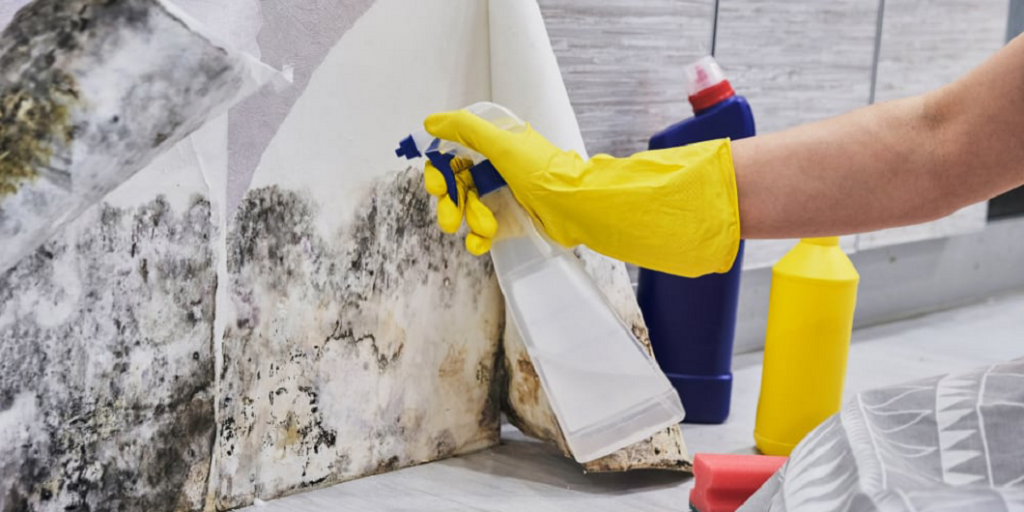
If you notice any of the symptoms or warning signs mentioned above, it’s crucial to take action promptly. Contacting PuroClean for a thorough mold inspection in Winston-Salem will help identify hidden mold growth, assess the severity of the problem, and ensure safe removal. Taking immediate action will help protect your health and prevent further mold-related issues in your home.
Conclusion – Schedule a mold inspection in Winston-Salem today
Mold exposure can lead to a variety of health issues, including allergic and respiratory symptoms in susceptible people. If you suspect mold is affecting your home or workplace, don’t wait for symptoms to worsen—schedule a mold inspection in Winston-Salem as soon as possible. By addressing mold growth early, you can protect your health and create a safer living or working environment for everyone in your household or workplace.
To learn more about mold and how to identify mold, click here