 PuroClean Emergency Property Restoration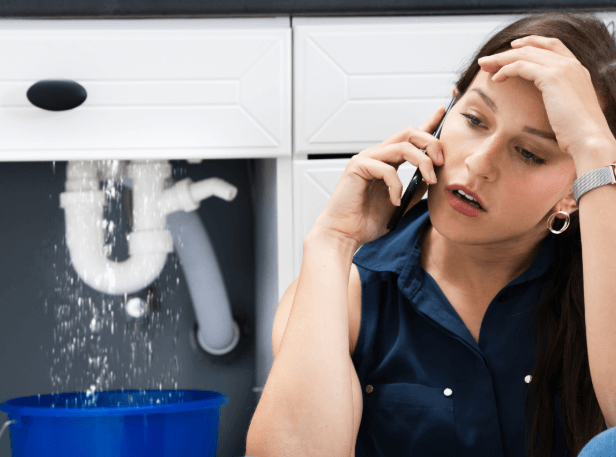
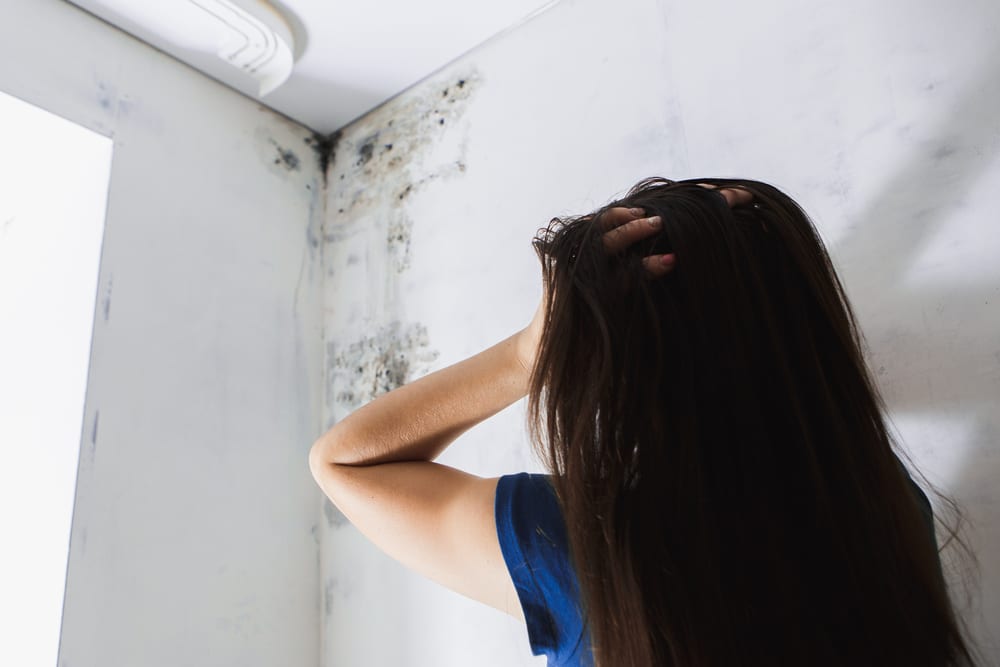
Water is commonly used the most in bathrooms, so it is no surprise that “how to fix water damage in your bathroom” is a common question. Without proper ventilation, daily use of sinks, toilets, and showers can cause excess moisture to become trapped in walls and floors. If left unnoticed, this hidden moisture can lead to mold growth, which can then lead to weakened structural materials, costly repairs, and even severe health problems. The good news is that with regular maintenance and a few preventative habits, you can significantly reduce the risk of water damage in your bathroom.
8 Tips to Reduce Water Damage In Your Bathroom
1) One of the most important steps to reduce water damage in your bathroom is to regularly inspect your bathroom for early signs of leaks. Pay close attention to discoloration on walls or ceilings, bubbling or peeling drywall, warped flooring, and persistent musty odors. These are often indicators that moisture is trapped behind surfaces. Gently press on walls and baseboards to check for soft or spongy areas, which may signal water intrusion. Inspect under vanities and sinks, and look closely at the trap and supply lines for signs of dripping or corrosion. If you notice any of these issues, locate the source of the leak and have it repaired promptly to prevent further damage.
2) Damaged tiles, grout, and caulking are other signs of water damage in your bathroom. Cracked, broken, or missing tiles allow moisture to seep behind walls and under floors, where it can go unnoticed for long periods. Similarly, deteriorating grout and caulk around tubs, showers, and sinks can fail to keep water out. Repairing or replacing damaged tiles and resealing grout and caulking as needed creates a critical waterproof barrier that helps protect against water damage in your bathroom.
3) It’s always a good idea to test your plumbing valves and fixtures regularly. Toilets, sinks, and showers all rely on valves that can wear out over time. Check around these areas for moisture, staining, or mineral buildup that could indicate a slow leak. Catching these problems early can prevent water from spreading into the surrounding materials.
4) Upgrading outdated fixtures can also make a big difference. Many homeowners are surprised to learn that toilets account for roughly 40% of annual household water use, and older models are far less efficient than modern ones. Older showerheads may also use nearly twice as much water as newer, water-efficient designs. Replacing aging fixtures not only conserves water but also reduces the strain on your plumbing system, lowering the risk of leaks and future water damage in your bathroom.
5) Slow drains should never be ignored. If water lingers in your sink, tub, or shower, it may indicate a clog. A simple mixture of baking soda and vinegar sometimes can clear minor blockages. If the problem persists, a plumber should inspect the drain trap to prevent backups that could overflow and damage surrounding areas. Additionally, avoid allowing water to pool around sinks or fixtures, as standing water can seep into seams and joints.
6) Practicing proper toilet use is another key prevention step. Only flush toilet paper. For homes with septic systems, make sure it is septic-safe. Items such as wipes, diapers, and sanitary products can clog pipes and cause overflows that lead to extensive water damage in your bathroom.
7) Managing humidity is equally important. Always run the exhaust fan during and after showers or baths to remove excess moisture from the air. This helps prevent condensation from settling into walls and ceilings, which can cause mold growth and bubbling drywall. In particularly humid environments, using a dehumidifier can further reduce moisture levels and protect your bathroom.
8) After bathing, check the floor for standing water and wipe it up immediately. Make sure tubs and showers fully drain and replace torn shower curtains or damaged door seals that allow water to escape. Bathmats can also help absorb excess water and reduce moisture buildup outside the shower area. When children are bathing, minimize splashing and clean up water on floors and walls as soon as possible.
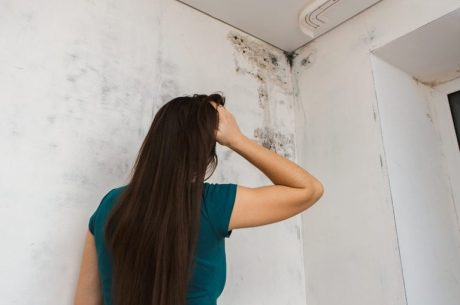
While there’s always some risk of water damage in a bathroom, taking these preventative steps can greatly reduce the likelihood of mold growth, structural deterioration, and expensive repairs. If water damage or mold does occur, professional help is essential. For expert water damage restoration and mold removal services, contact Puroclean of Linwood at 336-776-3630 to restore your bathroom safely and effectively.


 PuroClean Emergency Property Restoration