


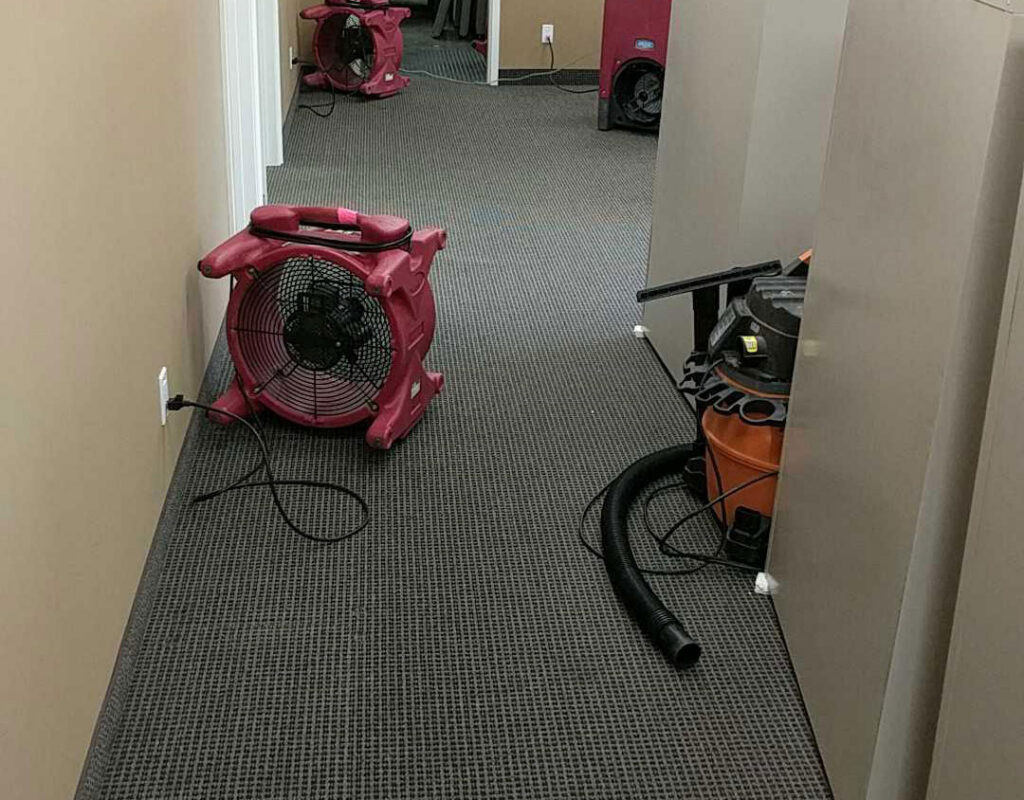
After a flood, carpets can become soaked in water, which can lead to a range of problems. Water damage can also lead to mold formation that can create a health hazard and release a musty smell in your home. In some cases, carpets can be saved if they are promptly and properly dried out. This article explains our flood damage restoration process and how we can help you, and your carpet.
Many home and property owners may wonder if their carpet and pad can be saved after damage. Carpeting can be an expensive investment, wherever it is in your home. Keeping carpet is more cost-effective than replacing it, but successful flooded carpet cleaning depends on many things.
The age and quality of the carpet and pad and installation type are key factors. But knowing the kind of floodwater involved is essential to understanding if water-damaged carpet cleaning is possible. In the water damage restoration industry, we classify floodwater into three main categories.
The Three Main Types of Water After a Flood
Category 1: Water from a sanitary source may allow carpet and padding to be salvaged after prompt assessment and drying. Contamination can increase with time and contact with materials; there is no automatic 24–48-hour category change.
Category 2: Water with significant contamination requires professional assessment. Carpet may sometimes be salvageable, while affected padding generally needs removal. The category and cleanup plan depend on the actual source and conditions, not a fixed clock.
Category 3: Grossly contaminated water includes sewage and outdoor flooding. Carpet and padding affected by this water generally need removal and replacement, not ordinary carpet cleaning.
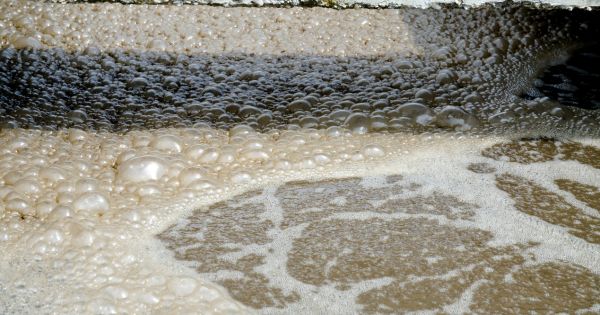
Every water damage situation is different. Every flooded carpet is also different. Without inspection and details, it is hard to pinpoint the best route forward. After a flood, you should have a professional restoration company inspect the carpeting.
Also, prompt reporting may help reduce further damage and costs. If you’re dealing with a flooded carpet cleaning problem, contact your local PuroClean office right away.
Flooded Carpet Cleaning: DIY or Call a Pro?
While extracting the water yourself has some benefits, professional carpet cleaning is a much better solution. A shop vacuum, towels, and ceiling fans are no match for professional extraction and drying equipment. For long-term, professional restoration after a flood, call PuroClean of Linwood. We will evaluate the damage and remediate the whole loss, not just the carpet.
Our mitigation process should begin without delay. As shown above, water spillage can degrade, which might result in the carpet being permanently damaged. To have a better chance of saving the carpet, contact us at once after a flood. We have the tools and expertise to sanitize and dry flooded carpets efficiently.
Except for cases of blackwater flooding, some carpets may be salvageable after professional assessment. Our goal is to first restore. After a flood, we can help you save money by avoiding the high replacement costs.
After a flood incident, always call your insurance company. Your homeowner’s insurance might cover the flood damage, but some flooding losses are not covered. For those, you might need separate flood insurance. If the loss has coverage, take photos and videos of the damage right away and file the insurance claim. Your insurance agent may also recommend a reputable restoration company to come to your rescue.
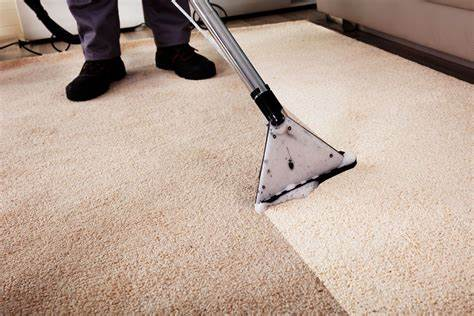
Call the PuroClean Pros for Carpet Cleaning Services
For any of your flooded carpet cleaning needs, call the PuroClean professionals. Our restoration teams will provide an industry-standard estimate and create a proper plan of action to restore your carpet quickly.