Carbon monoxide (CO) is a poisonous gas that can be safely detected in your home using carbon monoxide detectors. This is why it’s extremely important to properly install and maintain your carbon monoxide alarms, and know what to do when one sounds.
Carbon monoxide Installation Tips
- You should purchase carbon monoxide alarms from a trusted retailer. Only choose alarms that are battery-operated or have batteries as backup.
- Make sure any carbon monoxide alarms bear the label of a nationally-recognized testing laboratory.
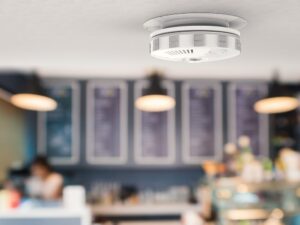
- Install alarms on every level and outside sleeping areas. Follow the manufacturer’s instructions for proper installation.
- Make sure objects, like parts of furniture or drapery don’t cover up the alarm. You can also use portable carbon monoxide alarms when you are travelling.
- It is best practice to interconnect all carbon monoxide alarms in your house to provide the best protection. This way, when one alarm sounds, they all will.
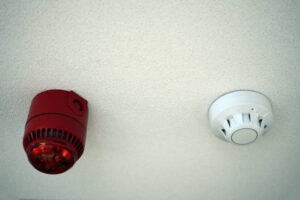
- Install both carbon monoxide alarms and smoke alarms in your home. You can also find combination smoke and carbon monoxide detectors.
Maintenance Tips
- You should test the alarms in your home once a month by pressing the test button to ensure they work properly. Tell everyone in your household that you will be performing an alarm test.
- Replace the alarm batteries at least once a year. A good time to change the batteries is when daylight saving time ends (in the fall). Also, replace batteries if the audible trouble signal sounds to indicate that the batteries are low. It’s better to be safe than sorry.
- Replace alarms at the end of their manufacturer-specified service life or when an end-of-life signal occurs; not every model lasts 10 years.
If a CO Alarm Sounds:
- Alert others in the home and make sure everyone gets out safely.
- Once outside, call 911 immediately. Do not go back inside until emergency services personnel give you the all-clear.
- Seek immediate medical help if you suspect CO poisoning and are feeling dizzy, light-headed or nauseous.
Preventing Caron monoxide in Your Home
- Have your gas, oil or coal-burning appliances serviced by a technician every year.
- Buy only gas equipment carrying the seal of a national testing laboratory.
- Have your chimney inspected and cleaned every year. Chimneys can be clogged by debris that can cause CO to build up in your home.
- Operate portable generators outdoors only, at least 20 feet from the home, with exhaust directed away from doors, windows, and vents. Never use them inside a house, garage, or other enclosed space.
- Never use a gas range, oven or charcoal grill for heating indoors.
- Never run a car or truck inside a garage attached to your house, even if you leave the door open.
For more information on carbon monoxide and smoke detectors, check out how to choose smoke alarms for your home and more tips to prevent carbon monoxide poisoning. For professional fire restoration services or smoke odor removal, contact your local PuroClean office.
If you have a fire or carbon monoxide incident, call our IICRC certified restoration professionals at (336) 776-3630 as soon as you can. Our professionals, led by a volunteer firefighter, have the compassion, discretion, and expertise to get you and your family’s house back to it’s pre-loss condition. If your emergency is slowing down, or if it is easier for you, we also have our online contact form where you can reach our technicians day or night.