With the expected weather for the next few weekends cooling down in North Carolina, it’s natural to want to pull out the space heater, light your fireplace, and spend more time inside. Fall also means piles of dry leaves, yard cleanup and outdoor fire pits. While these activities seem a normal part of the season, they can introduce fire risks that homeowners might not think about until something goes wrong.
A small pile of burning leaves, a space heater placed too close to a curtain or a fireplace that hasn’t been cleaned in years can put your property at risk. The good news? A few simple precautions can help you prepare your home for colder weather and reduce the chances of an unexpected fire.
Here’s what homeowners in Linwood and surrounding North Carolina communities should know about fall fire risks, how to prevent them and what to do if fire or smoke damages your property.
1. Are Dry Fall Leaves a Fire Risk?
Those colorful leaves covering your yard might look harmless, but once they dry out, they can become combustible. A discarded cigarette, a stray spark from outdoor equipment or an improperly managed fire can ignite dry leaves under the right conditions.
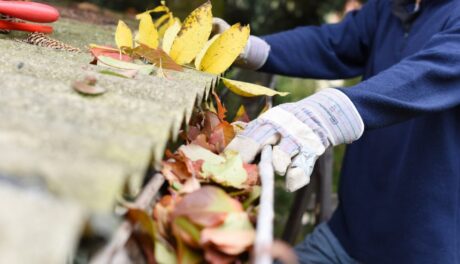
The risk isn’t limited to the middle of your yard, either. Leaves often collect against fences, beneath decks, around sheds and near the exterior walls of a house. If a fire starts in one of these areas, nearby combustible materials can help it spread toward the structure.
Some homeowners also burn leaves as part of their fall cleanup. Although North Carolina allows certain types of vegetative yard waste to be burned under specific conditions, open burning is subject to state rules and local restrictions. Wind and dry conditions can make an outdoor fire harder to control.
How to reduce the fire risk:
- Rake leaves regularly and keep dry piles away from your home’s exterior, decks and other structures.
- Consider composting leaves or arranging yard-waste collection instead of burning them.
- Never leave an outdoor fire unattended, and avoid burning yard waste during dry or windy conditions.
- Follow applicable North Carolina burning regulations, local restrictions and permit requirements.
- Keep cigarettes and other potential ignition sources away from dry vegetation.
A little yard maintenance can do more than increasing curb appeal. It can stop fire fall risks before they become problems.
2. Space Heaters Also Create Fall Fire Risks
The first chilly morning of the season often makes homeowners go looking for an extra source of heat. Portable space heaters are convenient for warming a bedroom, home office or other cool area, but they need to be used carefully.
One common mistake is placing a heater too close to furniture, bedding, curtains or clothing. These materials can ignite if they are exposed to sufficient heat. Plugging a heater into an extension cord or power strip can also create an electrical hazard.
Before switching on your space heater, remember to:
- Keep the heater at least three feet away from anything that can burn.
- Place it on a stable, level surface where it cannot easily tip over.
- Plug it directly into a wall outlet rather than an extension cord or power strip.
- Choose a heater that has appropriate safety certification and tip-over protection.
- Turn it off when leaving the room or going to sleep.
- Keep children and pets away from the heater.
It’s also worth checking your home’s heating system before you begin using it regularly. If your furnace or other heating equipment needs maintenance, arrange for a qualified professional to inspect it.
Never use your oven or stovetop to heat your home. These appliances aren’t designed for that purpose and can create serious fire risks or carbon monoxide hazards.
3. Don’t Forget About Your Fireplace and Chimney
There’s something appealing about lighting a fire on a cool fall evening. However, a fireplace that hasn’t been used for months may need attention before you start burning wood again.
Wood-burning fireplaces can accumulate creosote, a flammable residue that forms as wood smoke cools inside the chimney. If enough creosote builds up, it can contribute to a chimney fire. Blockages, damaged chimney components and improperly disposed ashes can introduce additional hazards.
Even a fireplace that looks clean from the living room may have problems that aren’t visible from inside the house.
Before using your fireplace this fall:
- Arrange for a qualified professional to inspect and clean the chimney as needed.
- Check that the fireplace screen or doors are in good condition.
- Keep furniture, rugs, decorations and other combustible materials away from the hearth.
- Burn only appropriate fuel according to the appliance manufacturer’s instructions.
- Allow ashes to cool completely, then place them in a covered metal container and keep the container on a noncombustible surface away from your home.
- Never leave a burning fireplace unattended.
If you notice unusual smoke, a strong burning odor or signs of chimney damage, stop using the fireplace and have it checked by a qualified professional.
Taking care of these details before the first cold spell can help you enjoy your fireplace with greater peace of mind.
4. Outdoor Fire Pits and Burning Yard Waste Need Care, Too
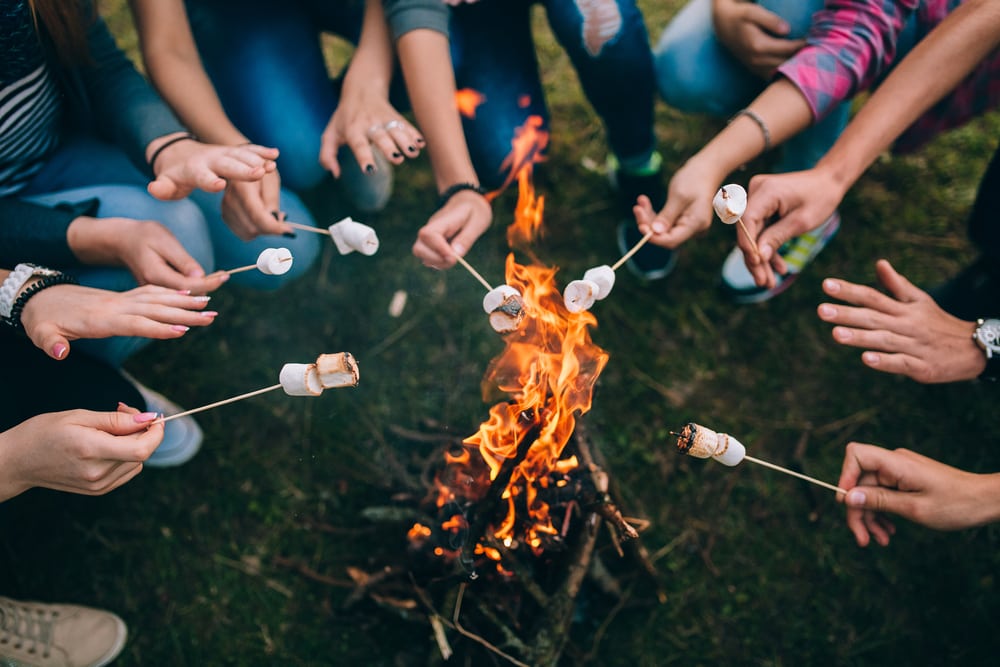
Fall evenings are popular for backyard gatherings, and a fire pit can make outdoor entertaining more enjoyable. However, a fire that seems manageable at first can become dangerous if sparks reach nearby leaves, dry grass, wooden fencing or other combustible materials.
Burning yard waste deserves particular attention. North Carolina’s rules for open burning depend on the type of material, the circumstances and applicable restrictions. Homeowners should check current state and local requirements before lighting a burn pile.
If you’re using an outdoor fire pit, follow the manufacturer’s instructions and any local rules that apply.
To reduce your risks:
- Place the fire pit on a suitable, stable surface and away from structures and combustible materials.
- Clear dry leaves and vegetation from the surrounding area.
- Keep children and pets at a safe distance.
- Have appropriate firefighting equipment nearby.
- Never leave the fire unattended, and make sure it is fully extinguished before leaving the area.
- Avoid outdoor burning during dry or windy conditions.
If you regularly have large amounts of leaves to dispose of, composting or using a local yard-waste collection service may be a simpler alternative.
5. Check Your Smoke Alarms Before the Heating Season
Fire risk prevention isn’t just about removing hazards. It’s also about making sure your household has a warning system if a fire does start.
Smoke alarms provide an early warning that can give occupants valuable time to escape. However, alarms only help if they’re working properly and installed in appropriate locations.
Before temperatures drop, take a few minutes to check your home’s fire safety equipment.
- Test smoke alarms and follow the manufacturer’s maintenance instructions.
- Install smoke alarms on every level of your home and inside and outside sleeping areas, as recommended by fire safety authorities.
- Replace batteries or alarms when required by the manufacturer’s instructions.
- Make sure everyone in the household knows at least two ways to exit each room where possible.
- Choose an outdoor meeting point where everyone can gather after escaping.
If your home has fuel-burning appliances, a fireplace or an attached garage, make sure carbon monoxide alarms are installed in appropriate locations as well. Carbon monoxide is an invisible, odorless gas that can be deadly.
These checks don’t take long, but they can make an important difference in an emergency.

What Should You Do if a Fire Damages Your Home?
Even when homeowners take precautions, accidents can still happen. A fire may damage one room while leaving smoke and soot throughout other parts of the house. Depending on the incident, heat, firefighting water and smoke residue may affect building materials and belongings beyond the area where the flames were visible.
If a fire occurs, your first priority should always be safety.
Leave the property if there is a fire or immediate danger, and call 911. Don’t re-enter until the appropriate authorities say it’s safe. Once the emergency has been addressed, contact your insurance provider and document the damage when it is safe to do so.
Then, call Puroclean Emergency Property Restoration.
PuroClean of Linwood Can Help After Fire and Smoke Damage
Discovering fire damage in your home can be overwhelming. Beyond the visible damage, you may be left wondering how far smoke has traveled, whether your belongings can be restored and what needs to happen before your home can return to normal.
PuroClean Emergency Property Restoration in Linwood helps homeowners and businesses navigate the restoration process after property damage.
Our fire and smoke damage restoration services can include assessing affected areas, addressing smoke residue and odors, and cleaning and restoring damaged materials as appropriate. When firefighting water has affected the property, water removal and drying may also be necessary.
Every fire is different, so the restoration process depends on the extent and type of damage. Having the affected areas assessed can help you understand what needs to be done rather than relying on appearances alone.
If your home has experienced a fire, smoke damage or related water damage, PuroClean of Linwood is available 24/7 for emergency assistance. Call (336) 776-3630 to discuss your restoration needs with our IICRC certified fire damage restoration professionals.