Industrial growth can prompt questions about electricity and property concerns, but a nearby development does not by itself show that household voltage, outages, or fire risk have changed. For information about a specific project or supply issue, consult your utility provider and local planning authorities.
Putting Pressure on Local Power
New development can affect electricity planning, but local demand and supply conditions need to be confirmed with the relevant utility.
Electricity providers and service conditions vary by address. Report repeated flickering, outages, or voltage concerns to your utility and have a qualified electrician assess possible problems within the home. Do not assume nearby industrial demand is the cause.
What The Electricity and Property Concerns Could Look Like Inside Your Home
Even though this sounds like a problem more for those in charge, electrical problems could show up in your own home in very real ways :
- Power surges that can damage electronics, HVAC systems, and sump and well pumps.
- Power outages that can shut down sump pumps, lights, and other necessities during a storm.
- Damaged or overloaded electrical systems can overheat. A qualified electrician can assess aging wiring, repeated breaker trips, or warm outlets; nearby development alone does not establish an increased risk.
- Refrigerator and freezer failures during outages, which can lead to spoiled food, unpleasant odor, and mold issues.

Battery and Fire Safety
Damaged lithium-ion batteries can overheat, catch fire, and reignite. This does not establish increased fire risk for neighboring homes from a particular manufacturing site. Follow official instructions during any industrial emergency and use household batteries according to manufacturer guidance.
Simple Electrical Safety Steps You Can Take Now
- Consider whole-home or point-of-use surge protection, especially for HVAC systems, refrigerators, and any sump or well pump. Any high traffic, or bigger, appliance should be considered.
- Have an electrician check your electrical panel if your home is older or you have noticed flickering lights, warm outlets, or breakers that trip more than they used to.
- Test your sump pump and any backup system: Follow the manufacturer’s testing and maintenance instructions. Ask a qualified installer about suitable backup options if the pump has none.
- Avoid overloading circuits. Follow appliance instructions, use properly rated equipment, and plug major appliances directly into suitable outlets. Ask an electrician about circuit capacity rather than relying on the number of plugs alone.

Fire Safety Measures to Remember
- Have a Personal and Family Fire Evacuation Plan in case of a fire; ensure you and all your family members know how and where to relocate in a fire event.
- Check your smoke alarms monthly. Install alarms inside bedrooms, outside sleeping areas, and on every level. Replace smoke alarms after 10 years; follow the manufacturer’s instructions for replaceable batteries and sealed-battery units.
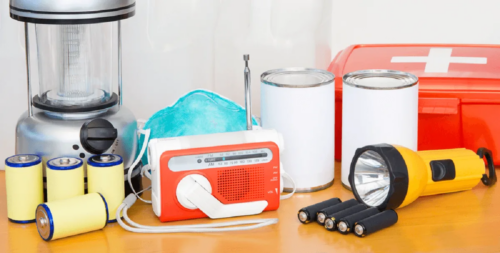
- Make and keep 72 hour emergency preparedness kits in a car or by the front door. Kits should include nonperishable food items, necessary medication, water, and sanitary items.
- Clear the perimeter of your house from debris, dry leaves, and lawn clippings. Ideally keep an area of 5 feet around your house free from debris.
PuroClean of Linwood Is Ready When You Need Us
PuroClean Emergency Property Restoration provides fire, smoke, and water damage restoration assistance. If an electrical incident or loss of power has affected your property, contact our North Carolina team to discuss an assessment. Emergency calls are answered 24/7; response arrangements depend on site conditions and availability.
If your home has been affected by fire, smoke, or water damage, call PuroClean Emergency Property Restoration today. We’re here to help you get back to normal, fast.