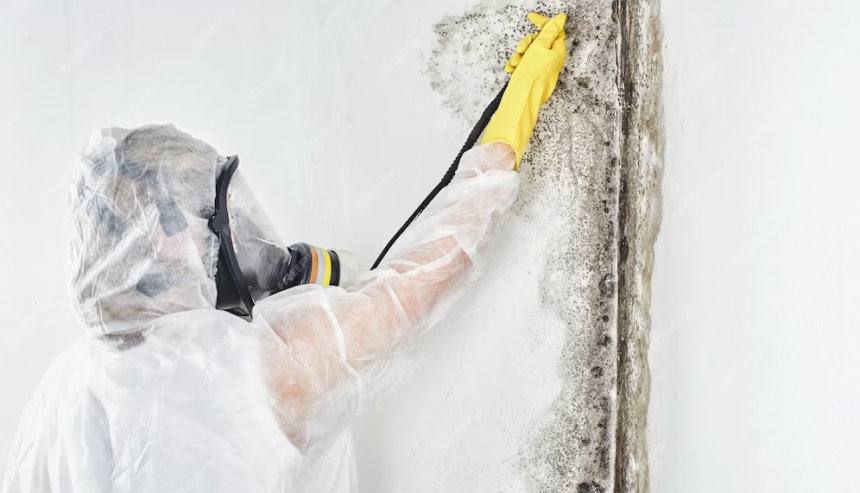



At PuroClean Emergency Property Restoration, we specialize in mold removal, crawl space encapsulation, and improving ventilation and indoor air quality in your home. With the summer’s high humidity and mold concerns, our focus is arriving on scene fast and doing the job right.
North Carolina and Summer Humidity
Our warm summer climate makes North Carolina a great place to live and enjoy time off. Unfortunately, we are not the only ones who think so. Mold spores love to bask in our humidity and enjoy our summers as well. With our climate influenced by coastal plains and moisture traps in mountain valleys, the high humidity coupled with mold is a frequent summer concern.
High humidity and mold concerns often occur together. Outdoor humidity varies with location, time of day, and weather; it does not establish the humidity inside a particular home. Measure indoor relative humidity and address excess moisture. The EPA recommends keeping indoor humidity below 60%, ideally between 30% and 50%.
Our technicians had a local mold job, during a previous summer, where they witnessed just how quickly mold can manifest in the summer when humidity is present.
Why Are North Carolina Homes Prone to Mold?
Mold spores are common in the environment, but indoor growth requires moisture. Leaks, condensation, and persistently damp materials can create conditions for growth. Addressing the moisture source is more useful than assuming a particular architectural style makes every building mold-prone.
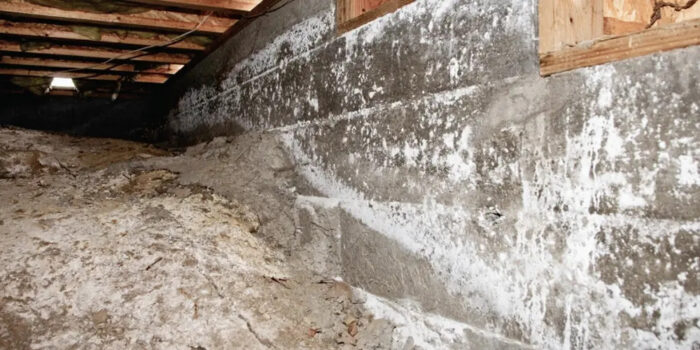
Vented crawl spaces can develop moisture problems when warm, humid outdoor air reaches cooler surfaces and condensation forms. Whether a vented or enclosed design is appropriate depends on the building and moisture conditions; a qualified professional can assess drainage, insulation, and ventilation.
Warm air rises in enclosed spaces, usually rising to the roof or attic in homes. The warmer, muggy air that entered through your basement now has the chance to migrate to your attic, providing two areas in your home for mold to settle.
Soil and drainage conditions vary across North Carolina. Poor drainage or moisture-retaining soil can keep water near a foundation, while leaks and humid crawl spaces can also contribute to dampness. Evaluate the conditions at the property rather than assuming every home has clay soil or a high water table.
Case Study: Summer Remediation in Winston-Salem
During heavy summer humidity, our restoration team completed a mold removal job in Winston-Salem. Mold develops fast, so it can be an extremely overwhelming situation. That is why our priority in every job is not only to remediate, but to explain the project thoroughly before we get started.
Along with explanations and reassurance, we prefer to go slower to ensure a job will be completed correctly instead of rushing to make quotas. That includes setting up proper containment areas, scanning the entirety of the house with moisture meters, and eradicating the root cause (whether it is from poor ventilation or a slow leak)
3 Warning Signs Mold May Be in Your Home
- Musty Odors: If an area in your home perpetually smells damp or earthy, mold may be the culprit. Constantly smelling “outside” inside may mean mold is growing under floors or behind walls.
- Cupped Floors or Wood Fixtures: Cupped or raised flooring can indicate moisture imbalance. It does not prove mold is present. Have the moisture source and flooring condition assessed.

- Efflorescence: White, chalk-like mineral deposits can form on masonry as moisture evaporates. They are not mold, but recurring deposits may signal moisture movement worth investigating.
Need Help Managing High Humidity and Mold?
Whether you are dealing with a sudden moisture spike or need a thorough inspection of a long-standing issue, our IICRC certified team brings patience, care, and proven expertise to every home we visit.
Contact PuroClean Emergency Restoration today at (336)776-3630 for a thorough assessment.