


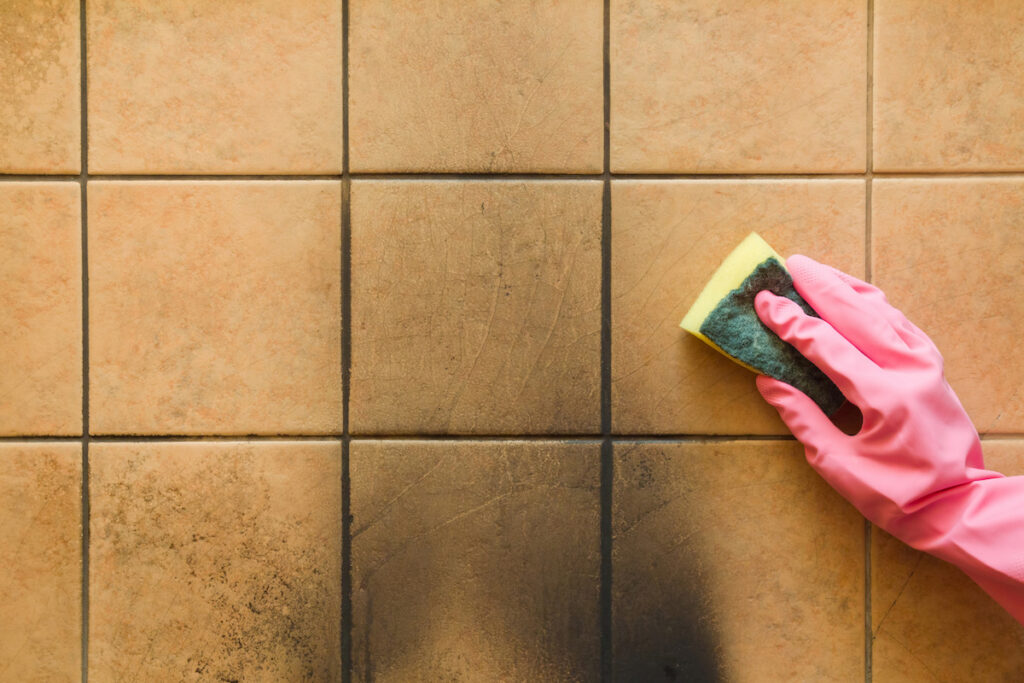
Soot damage may look like just a messy aftermath of a fire, but don’t let its dusty disguise fool you. Amongst other results of a fire, soot can be harmful to your property and your health. Whether it’s clinging to your walls after a fire or quietly building up in your fireplace, soot is more than a cosmetic problem. It’s toxic, tough to clean, and sneaky enough to hide in plain sight.
In this article, we’re answering the most common questions about soot damage, how it forms, where it hides, why it’s dangerous, and how to get rid of it for good.
What Exactly Is Soot?
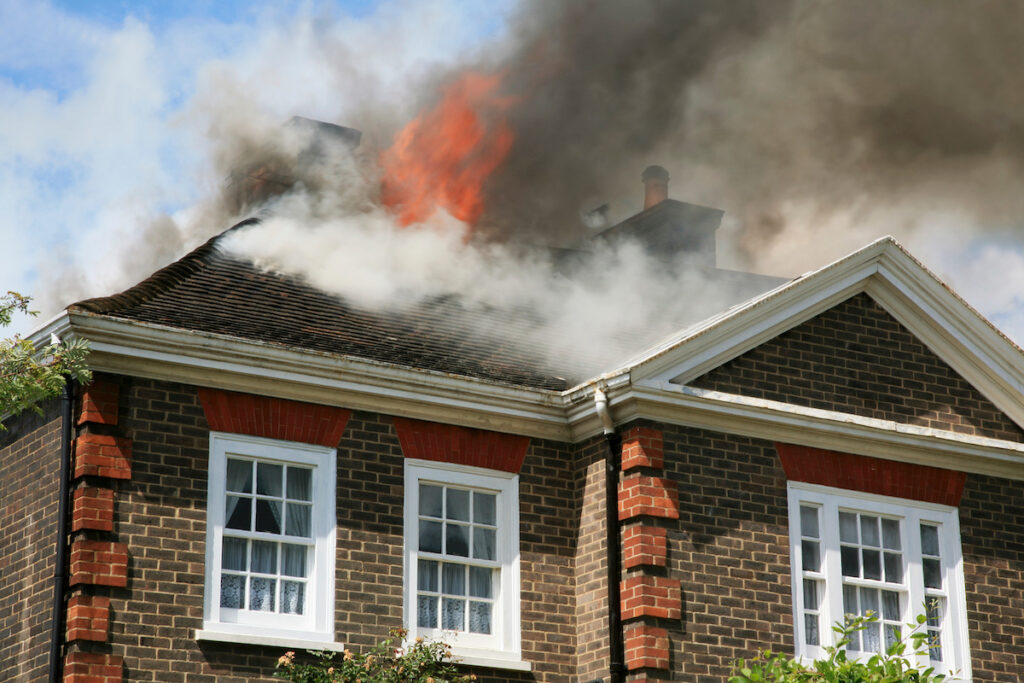
Soot damage forms when materials like wood, plastic, or oil burn incompletely. So, while all fires are terrible, ones that burn lower, at lower temperatures with and with limited oxygen, can result in tiny carbon particles filled with harmful chemicals. These particles drift through the air, settle on surfaces, and cause that familiar smoky odor and dark stains.
Where You’ll Find Soot (Even Without a Fire)
Believe it or not, you can find soot damage in homes that haven’t had a fire. Common non-fire sources include:
Furnaces: A puff-back from your heating system can coat your space in soot almost instantly.
Stovetops: Cooking oils can produce soot when overheated.
Fireplaces: Even an unused fireplace can harbor soot from past fires.
Walls: Oil-based paints tend to attract soot particles.
Candles: Paraffin wax candles can release black soot, especially if they flicker or burn unevenly.
Electrical outlets and switches: Static electricity can attract soot.
Is Soot Damage Dangerous?
Short answer: Yes. Very.
Soot particles are small enough to be inhaled or absorbed through the skin and eyes, which makes them a health hazard. Children, pets, and people with respiratory conditions are especially at risk for the posed health challenges. Health symptoms can include:
- Asthma flare-ups
- Persistent coughing
- Breathing issues
- Headaches
- Eye and throat irritation
- Nosebleeds
Long-term soot damage can even increase your risk of cancer, heart disease, and chronic lung conditions. If you’ve experienced a fire, or suspect soot damage is present, it’s important to act fast.

Tips for Safe Soot Cleanup
Cleaning soot isn’t just about scrubbing until it looks better. It requires careful handling to avoid spreading toxins or making things worse. Here’s what to keep in mind:
- Wear protective gear: Always use gloves, masks, and eye protection. If a restoration team is assisting you, they will have proper protective gear and containment gear.
- Ventilate the area: Open windows and doors while cleaning if you are cleaning before help.
- Skip the water: Water-based cleaners often smear soot. Use dry-cleaning sponges, oil-based solvents, or HEPA-filter vacuums instead.
- Mind the materials: Porous surfaces (like upholstery or wood) often require specialized cleaning products or professional treatment.
- Consider air purification: Post-cleaning, techniques like air scrubbing or thermal fogging help remove lingering particles and odors.

When to Call the Pros
If the soot damage is extensive, spread through your HVAC, or tied to a structural fire, DIY is not the best route. Fire damage restoration professionals like PuroClean have the tools, training, and tech (like thermal foggers and industrial-grade air scrubbers) to handle tough soot contamination safely and thoroughly.
For Professional Fire Remediation Services, Contact PuroClean
For professional and immediate fire damage restoration and or smoke remediation services following a house fire, do not hesitate to contact the experts at PuroClean. As “The Paramedics of Property Damage®,” we are the first responders to your commercial property emergency. Our technicians are available 24 hours a day, seven days a week. Please call us at 336-776-3630 as soon as there is a concern.