 PuroClean Emergency Property Restoration
Mold and mildew can be a nuisance to deal with, especially when they form on your clothes. Not only are moldy garments unsightly, but they also carry a musty odor that can be hard to eliminate. That’s why proper mold mitigation is essential when you first notice any signs or smells.
Mold stains typically appear due to exposure to moisture or poor storage. For example, leaving clothes in a dark, damp place for too long, or using a washing machine or dryer that harbors mold, can lead to contamination. Even your laundry room itself may be a hidden source of mold growth.
Fortunately, with the right products and care, you can often save garments affected by mild mold growth. Below are helpful tips for mold mitigation and how to remove mold from clothes and fabrics.
Steps for Mold Mitigation for Clothes
1. Read the Label
Start with the basics. Always follow the manufacturer’s instructions for washing and drying your clothes. Pay attention to water temperature and fabric care guidelines.
2. Scrub Off the Mold Stain
Apply a mold stain remover like white vinegar, household soap, or bleach. Use a toothbrush to gently scrub off the surface mold. Be cautious not to damage delicate fabrics.
3. Pre-Soak the Fabric
Because mold stains can be stubborn, pre-soaking your clothes is a valuable step in the mold mitigation process. Soak the garment for an hour in a bucket of water with one cup of white vinegar or a commercial pre-soak product.
Alternatively, spray undiluted white vinegar directly on the moldy spots. Then, soak your clothes for 30 minutes in a 1:1 mixture of water and vinegar. (Important: Never mix vinegar and bleach.) For natural alternatives, try a paste made from lemon juice and salt; rub it on the moldy area, let it sit, and rinse off.
4. Wash Your Clothes in Hot Water
Hot water is more effective than cold water at killing mold spores. Just be sure not to exceed the clothing label’s recommended temperature. For non-machine-washable items, consider professional dry cleaning as part of your mold mitigation plan.
5. Use Mold-Killing Additives in the Washer
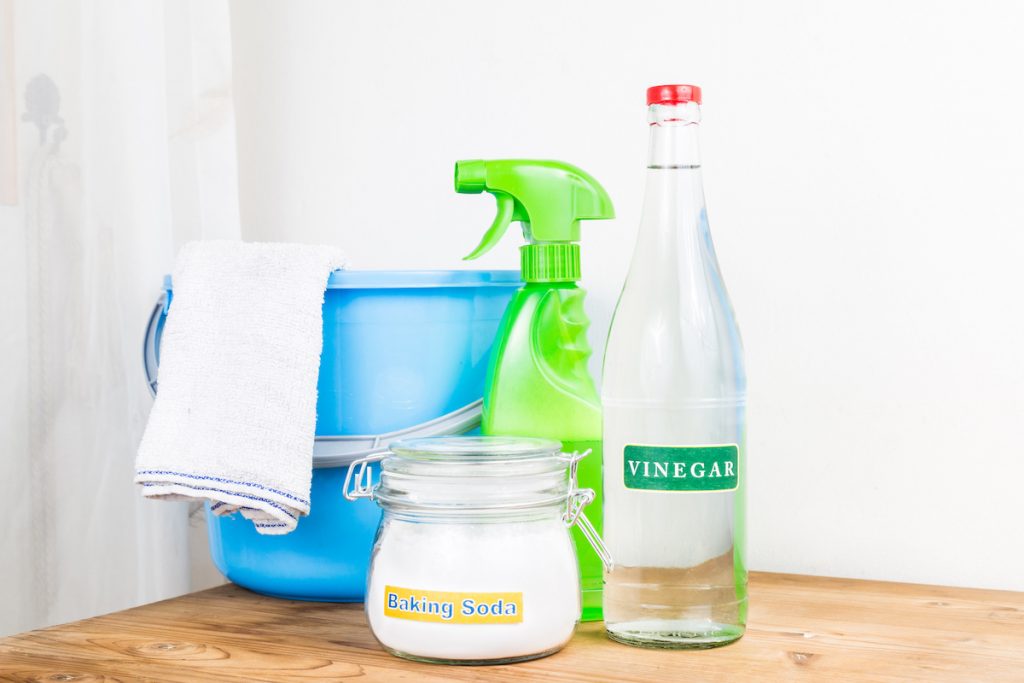
- Vinegar: Add 1–2 cups per load with detergent to disinfect and deodorize.
- Borax: Dissolve half a cup in hot water and add it to cotton or linen loads.
- Baking Soda: Add half a cup during the cycle to combat odors.
- Bleach: Use one cup per load with caution—spot test colored clothes and check fabric care labels.
6. Sun-Dry After Washing
Air-drying in sunlight is a natural way to kill any lingering mold spores. The sun also helps fade stains. Avoid the dryer, as heat can set stains deeper into the fabric.
If Mold Stains Persist…
Repeat the above process if necessary. If the stain won’t go away and you still detect a musty smell, you might consider dyeing the garment a darker color as a final option. However, if stains or odors continue to return, you may need professional mold mitigation services.
Mold Mitigation for Washing Machines
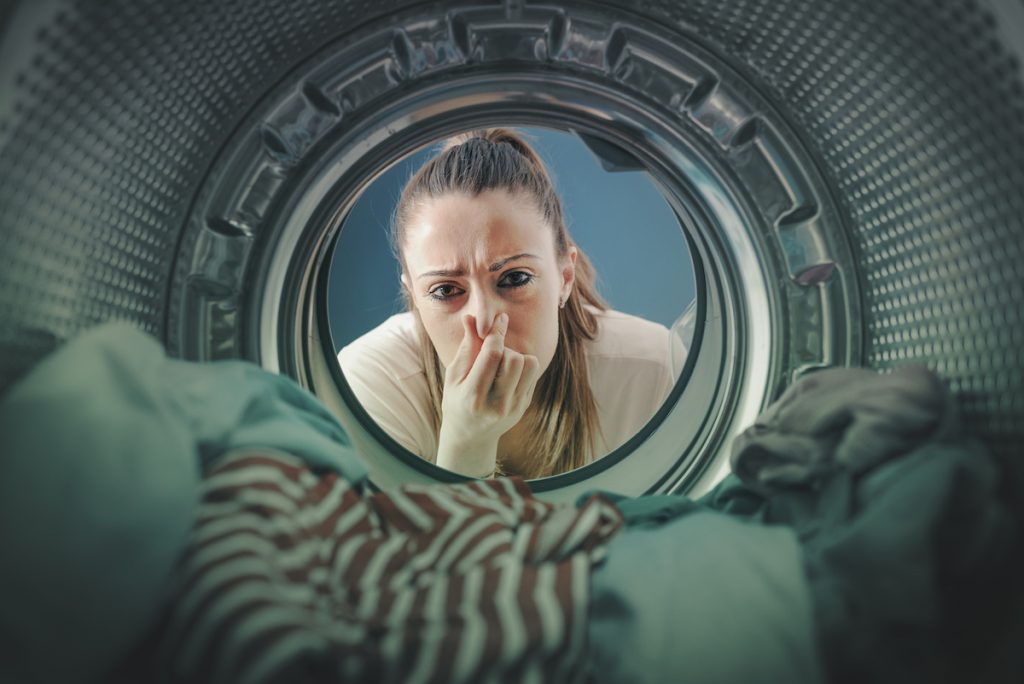
If clothes come out of the washer smelling musty, mold may be present in the machine itself. To resolve this, run an empty hot water cycle with bleach or a washing machine cleaner.
You can also try these DIY solutions prior to professional help.
Vinegar — Add one or two cups of vinegar per cycle and normal detergent to kill moldy smells and brighten your white fabrics.
Borax — You can use borax in a regular washing cycle, but only with organic fabrics like cotton and linen. Dissolve half a cup of borax in hot water and add it into the machine once it has filled with water.
Baking soda — Baking soda is a natural deodorizer that can help remove musty smells from your clothes. Add half a cup of baking soda to your wash cycle, along with your regular detergent.
Bleach — This substance can kill mold in fabrics, but it can fade colors. So make sure to spot-test first and read the label. Some labels say “no chlorine bleach”. Once you know your clothes won’t be damaged, wash them with normal detergent and one cup of bleach.
If the smell remains, your machine may need disassembly and detailed cleaning—a key step in mold mitigation for laundry appliances.
Dryers can also harbor mold, especially if moisture is trapped inside. Regular maintenance is essential to keep your machines mold-free.
How to Get Rid of Mold Smell in the Closet
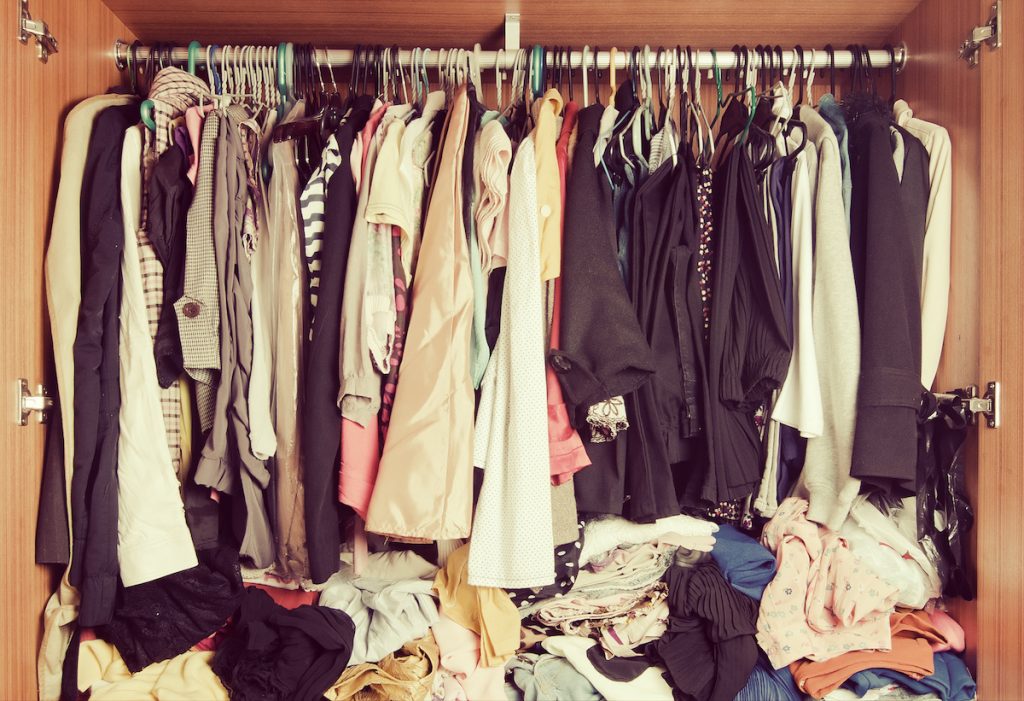
After dealing with mold on clothes, don’t forget to address your storage space. Without proper airflow, closets can become ideal environments for mold growth. Damp or unventilated closets can reverse all your mold mitigation efforts.
Tips to improve airflow:
- Keep closet doors open occasionally.
- Use louvered doors that allow air circulation.
- Place a small fan nearby to improve ventilation.
- Open windows to bring in fresh air when possible.
These steps help ensure long-term mold mitigation by keeping your storage areas dry and mold-free.
When to Call the Experts
Mold can also affect upholstery, mattresses, carpets, and other household textiles. These items are much harder to clean than clothes, and improper handling can worsen the problem. If you’re unsure how to proceed, consider contacting the professionals at PuroClean. We specialize in comprehensive mold mitigation services for both clothing and larger household materials.
Start Mold Mitigation Today
Now that you understand how to identify and remove mold from clothes, take immediate action to prevent further contamination. Mold spores can be harmful to your health and damaging to your belongings. Practicing proper mold mitigation not only saves your garments but also ensures a healthier home environment.
For reliable mold mitigation and cleanup, trust the professionals at PuroClean. We’re here to help you reclaim your home from mold—one garment at a time.

 PuroClean Emergency Property Restoration