


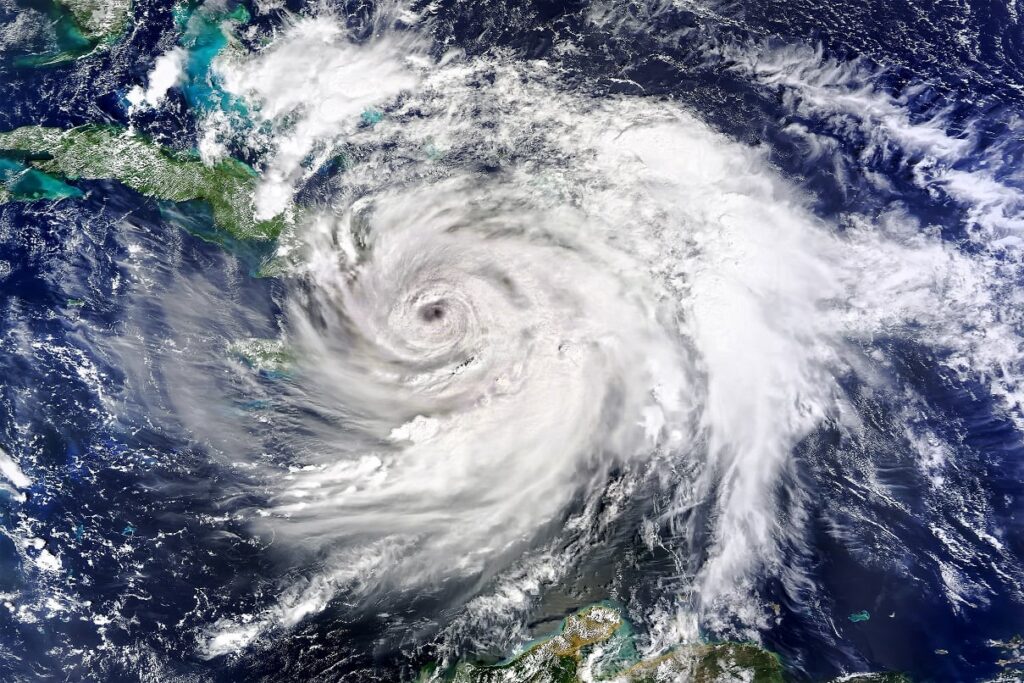
According to weather forecasters, a nor’easter could evolve this week, and it could bring heavy winds, rains, and floods to North Carolina. Nor’easters are large storm systems that usually mean dangerous conditions along the coast.
Even properties farther inland can feel the effects of a powerful storm through heavy rainfall, wind-driven debris, power outages, and water intrusion. Taking a few steps before a storm arrives can help reduce the chance of property damage and make it easier to respond if something does go wrong.
What Damage Can a September Nor’easter Cause?
The exact effects of a Nor’easter depend on the storm’s track and strength, but several types of property damage are possible.
Heavy rain can overwhelm drainage systems, cause flooding, and allow water to enter through roofs, windows, doors, crawl spaces, and foundations.
Strong winds can damage roofing, siding, windows, fences, and other exterior components. Falling branches can also damage roofs, vehicles, and structures.
Coastal flooding can become especially concerning when strong winds push water toward the shoreline. The National Weather Service notes that significant coastal flooding can occur when large storm systems create storm surge, particularly when storm conditions coincide with higher astronomical tides.
Even if your property is not located directly on the coast, heavy rainfall can still cause flooding in areas that do not normally experience it.
How to Prepare Your Home Before a Nor’easter
The best time to prepare for storm damage is before the weather arrives. A few simple checks can help protect your home and belongings.
1. Check Your Roof
Inspect your roof for loose or damaged shingles, deteriorated flashing, damaged vents, or other areas where water could enter. If you notice a problem, have it addressed before the storm if possible.
Even a small roof opening can allow significant amounts of rainwater into your attic, ceilings, walls, and insulation during a prolonged storm.
2. Clean Gutters and Downspouts
Make sure gutters are free of leaves, sticks, and other debris. Check that downspouts direct water away from your home’s foundation.
Blocked gutters can cause rainwater to overflow against exterior walls or collect around the foundation, increasing the possibility of water intrusion.

3. Secure Outdoor Items
Bring patio furniture, decorations, trash cans, tools, and other loose objects indoors or secure them properly.
Strong winds can turn unsecured objects into projectiles that damage windows, siding, vehicles, and other property.
4. Trim Problematic Branches
Look around your property for dead, damaged, or unstable branches, particularly those hanging over your roof, driveway, or other structures.
Removing potential hazards before severe weather arrives can help reduce the possibility of wind-related property damage.
5. Check Your Basement, Crawl Space, and Foundation
Look for existing signs of moisture, including damp spots, musty odors, staining, or standing water. Addressing an existing leak before a major storm can help prevent a much larger problem.
If your home has a sump pump, test it before the storm and make sure the discharge line is clear.

6. Protect Important Belongings
Move important documents, electronics, photographs, and other valuable belongings away from areas that could be affected by water.
If you live in an area with a higher flood risk, consider storing important documents and valuables in waterproof containers and reviewing your insurance coverage before storm season.
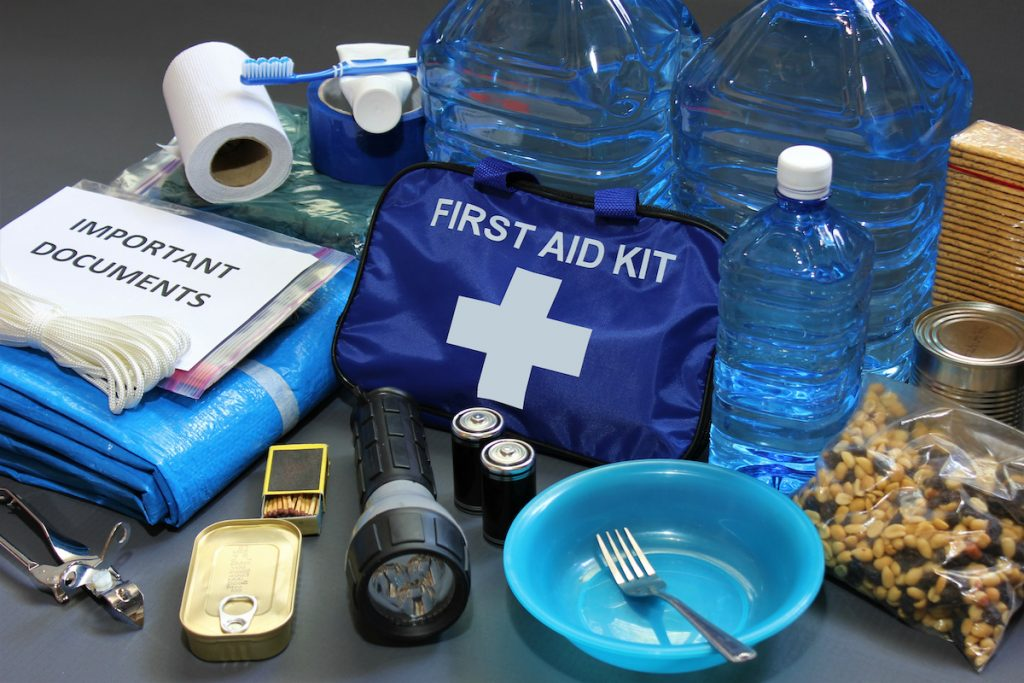
7. Have an Emergency Kit Ready
Power outages and difficult travel conditions can make it harder to get supplies after a storm. Keep essentials such as flashlights, batteries, medications, drinking water, nonperishable food, and phone chargers available.
It is also a good idea to keep your insurance information and important emergency contacts somewhere easy to access.
What Should You Do If Your Home Takes on Water?
If water enters your home during a storm, safety should come first. Avoid walking through standing water when you do not know its depth or source, and stay away from electrical hazards.
Once it is safe to do so, document the damage with photographs or video and contact your insurance company, if applicable.
You should also begin addressing the water as soon as possible. Water that remains in flooring, drywall, insulation, carpeting, or other materials can create additional problems if it is not properly dried.
Professional water damage restoration can help identify areas affected by moisture that may not be immediately visible and begin the drying and mitigation process.
Need Restoration After a North Carolina Nor’easter?
Even with careful preparation, nor’easters can sometimes cause damage that homeowners cannot safely or effectively handle on their own. A damaged roof, flooded room, wet flooring, or moisture inside walls may require professional assessment and restoration.
That is where PuroClean Emergency Property Restoration can help.
We have been proudly serving communities throughout the Triad and Piedmont of North Carolina since 2008. Our IICRC certified technicians provide water damage mitigation, fire and smoke damage restoration, mold remediation, biohazard cleanup, and reconstruction services. Our local restoration team is owned and operated by a firefighter and includes current and former military, fire, and EMS personnel.
We are also available 24/7 for emergency restoration needs, helping property owners respond quickly when unexpected damage occurs.
If a September Nor’easter or other severe storm causes water damage to your home or business, getting professional help quickly can help limit additional damage and get the restoration process underway.
For nor’easter and storm damage restoration in North Carolina, contact PuroClean Emergency Property Restoration at (336) 776-3630.