- Burnt Food on Stovetop
- Burnt Toast or Popcorn
- Fireplaces
- High Humidity
- Steam
- Insects
- Chemical Smells
- Dust and Dirt
- Low Batteries
- Old Smoke Alarm
Smoke alarms are extremely important in keeping you and your family safe in case of a household fire. But they don’t always sound when a fire threatens to break out in your home. Though smoke detector false alarms occur often, that doesn’t mean you should ignore the sound if you don’t see or smell smoke. Smoke detectors can sense hidden fires, such as electrical ones before you can. If an alarm sounds, assume there is a fire and follow proper safety precautions.
Possible causes include cooking particles, steam, contamination in the sensing chamber, or an aging or faulty unit. A low-battery or end-of-life chirp differs from a smoke alarm signal; follow the model’s instructions and treat an unexplained alarm as a possible fire.
To help you better understand how smoke alarms work, here are the top causes of smoke detector false alarms.
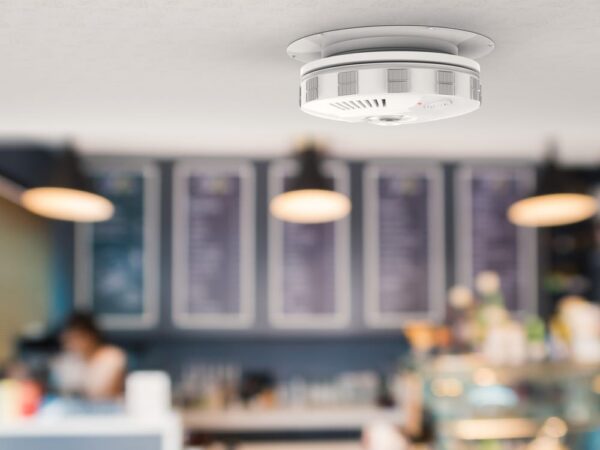
Top 10 Reasons Your Smoke Alarm Goes Off Randomly
1. Burnt Food on Stovetop
If you don’t supervise the stove when cooking, your dinner may produce smoke, which activates the smoke alarm. In some cases, smoke isn’t even necessary — a hint of burnt food can be enough to set off the detector. Also, make sure your smoke alarm is optimally placed, such as in the hallway leading to the kitchen, not in the kitchen itself.
2. Burnt Toast or Popcorn
Leaving bread in the toaster or popcorn in the microwave for a little too long can happen to the best of us. That sends heavy particles into the air, which your smoke alarm picks up. To avoid this situation in the future, keep your smoke detector at a safe distance from these devices.
3. Fireplaces
Fireplaces can also cause a smoke alarm to sound. Your fireplace can sometimes send smoke into your house, which is the reason why an alarm keeps sounding. This isn’t the alarm’s fault, though. Your chimney may not be clean, and the dampers may not be properly set. Hire a chimney sweep if your fireplace sends smoke into your home.
4. High Humidity
Smoke alarms don’t always distinguish between smoke particles and moisture content. Thus, the density of the moisture particles can trigger your alarm, even if they’re water particles. If you have high humidity in your home, use fans or windows to dissipate the humidity.

5. Steam
Dense water vapor is like humidity when it comes to triggering false alarms. When you take a shower or boil water on the stove, smoke detectors can sense the steam and sound the alarm. Make sure you ventilate your bathroom and kitchen properly to prevent this.
6. Insects
Insects can enter a sensing chamber. Clean only as the alarm manufacturer directs. Do not spray pesticides or other chemicals into or around the alarm, and do not dismantle a sealed unit.
7. Chemical Smells
Painting or using harsh chemicals in your house can also cause smoke detector false alarms. Chemical odors can trigger a smoke alarm. Ventilate areas where you paint or use chemicals to avoid the startling noise of your smoke alarm.
8. Dust and Dirt
Dust can interfere with smoke alarms. Follow the manufacturer’s cleaning instructions, which may allow gentle vacuuming of exterior vents. Do not use aerosol cleaners or open sealed components unless specifically instructed.
9. Low Batteries
When smoke alarm batteries run low or aren’t properly connected, they typically make small chirping noises. While that’s not the sound of smoke detection, it’s a warning sign that you should check on your device. Follow the manufacturer’s battery instructions; sealed-battery alarms require replacement of the unit when indicated.
10. Old Smoke Alarm
Smoke alarms generally have a lifespan of about ten years. When they reach the end of their lifespan, smoke detector false alarms will occur more often. If your detector is older than ten years, replace it with a new one immediately.
For Fire Damage Restoration, Contact Your Local PuroClean Office
Remember, smoke alarms are meant to be sensitive. If a detector sounds a false alarm, it doesn’t mean it’s broken. Their purpose is to help you catch a fire before it becomes life-threatening. Install your smoke alarms not too close, but not too far away either, from potential fire hazards.
In the unfortunate case where the smoke detector did not give off an alarm, the smoke likely caused heavy soot damage to the property. That fire and smoke damage will need to be handled by professional disaster restoration technicians. This is where PuroClean comes in. Learn more about our fire damage cleanup services. For fire damage restoration or smoke cleanup, contact PuroClean’s IICRC certified restoration crew today.