 PuroClean of Marco Island
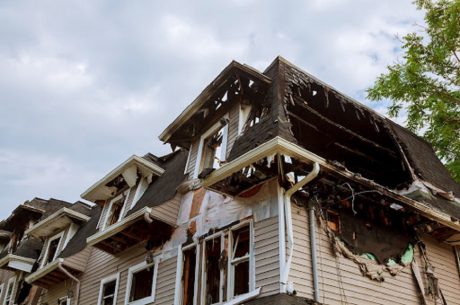
Fires move fast and leave damage behind just as quickly. On Marco Island, where winter stays dry and breezy, fire risks often feel higher this time of year. Whether it starts from a kitchen mishap or something electrical, once the fire is out, the real work begins.
Fire damage cleanup is not just about clearing soot or replacing drywall. It is a step-by-step process that helps bring a property back to life, safely and fully. What happens in those first few hours and days matters, especially in our humid coastal environment where leftover moisture and smoky residue can create more problems if left too long.
First Steps After the Fire Is Out
Once firefighters leave and the smoke settles, it is natural to want to jump into cleanup. But jumping in too fast can cause more harm than good. Before anything else happens, safety is the first concern.
• Check the structure for stability. If beams or walls are weakened, do not enter until it is confirmed safe.
• Gas and electric need to be shut off or checked. Hidden damage to these systems can lead to more hazards.
• Property owners should avoid moving items or cleaning on their own. Soot and smoke can smear or sink deeper into surfaces if not handled the right way.
After the immediate safety checks, the area is assessed for damage. This covers burned areas, water exposure, smoke spread, and anything that might need to come out before rebuilding starts. Using this overview, a plan for the full cleanup process is developed.
When planning is done early, fewer surprises pop up as work begins. All visible damage gets documented through photos and detailed notes, giving everyone the information needed for insurance and restoration planning. This step also allows families to discuss concerns or priorities with the cleanup team before work starts.
Smoke, Soot, and Odor Removal
Even small fires can leave behind smoke that travels throughout a building. It does not just stay in the room where the fire happened. Smoke rises, spreads fast, and seeps into walls, ceilings, fabric, vents, and furniture.
• Soot might settle on surfaces like cabinets and counters. If wiped the wrong way, it can smear and stain permanently.
• Dry-cleaning methods, HEPA vacuums, and specialty products are used to carefully lift soot without pushing it in deeper.
• Odors are another tough layer. Smoke gets into every nook. Filters, ozone treatments, and thermal fogging help remove that smell from the air and materials safely.
It takes time and the right tools to handle odor removal. A space might look clean, but if the smell sticks around, the work is not done yet.
Smoke and soot cleanup should be planned for each area, as different surfaces respond to cleaning methods in different ways. For instance, fabrics, carpets, painted walls, and wood all trap soot differently, so cleaners adjust their approach as needed. Careful attention during this stage can keep odors from lingering and keep surfaces from staining permanently.
Water Damage After Firefighting Efforts
Putting out a fire often leads to water damage, especially after using hoses or sprinkler systems. That added moisture can fill walls, floors, furniture, and insulation.
• Standing water needs to be removed first to stop further spread into dry areas.
• Air movers and dehumidifiers are used to dry the structure and reduce the chance of mold growth, which starts fast in Florida humidity.
• Some materials absorb water quickly and may not dry well, like drywall, carpet padding, or insulation. If that happens, the saturated parts are cut out and removed.
It is not just about drying floors. If moisture hides behind walls or under surfaces, it can cause damage later on. This part of fire damage cleanup is just as important as handling the fire debris.
Proper drying often means lifting baseboards, opening wall cavities, or removing parts of flooring to allow airflow in hidden areas. Being thorough during this step protects the integrity of the structure and keeps future mold and mildew issues at bay. If drying is rushed or skipped, trapped water could mean big repairs down the road.
Repairing and Restoring the Damaged Areas
After all the smoke, soot, and water are out, repairs begin. The work depends on how much was damaged and whether the structure beneath the surface was affected.
• Burned walls may get completely rebuilt, especially if framing was exposed to flames.
• Damaged ceilings or floors must either be dried and reused or replaced when the damage is too deep or unsafe.
• Personal belongings like clothing, furniture, or electronics may be cleaned, stored off site, or discarded based on their condition.
Some repairs improve how things function, not just how they look. This may mean rewiring damaged electrical, fixing HVAC parts affected by smoke, or putting in new insulation. When fire affects one part of a building, the whole system may get checked to make sure it is all safe to use again.
In some cases, materials that seem unaffected by smoke or water are checked more closely. Over time, built-up residue can weaken floors or walls, so a careful inspection is part of restoration. If there is any doubt about safety, it is better to replace than risk future trouble.
What to Expect During a Full Fire Damage Cleanup
Every situation looks a little different, but cleanup often follows a general pattern. After the first walkthrough and safety checks, cleanup of debris and moisture begins. Then deeper cleaning begins, followed by repairs.
• Most projects start with emergency response and assessment within the first 24 to 48 hours.
• Deep cleaning, drying, and odor removal can take several days to a few weeks, depending on the damage.
• Structural repairs begin next, followed by interior work like painting, flooring, or replacing fixtures.
Throughout the process, photos and documentation of damaged areas are created before any work starts. This helps property owners send updates to insurance and track progress. Communication is important during fire damage cleanup, since questions, decisions, and inspections come up often.
Cleanup teams usually update the homeowner with timelines and let them know when it is safe to revisit spaces that were once off limits. This clear chain of updates helps everyone know their role, reduces confusion, and builds trust as the work moves forward step by step.
PuroClean’s Approach to Fire Damage Cleanup on Marco Island
At PuroClean of Marco Island, our certified technicians offer 24/7 emergency response and use industry-leading cleaning equipment to address smoke, soot, and water damage after a fire. We follow a detailed process for fire damage restoration, including deodorization, soot removal, structural drying, and content cleaning. Our team coordinates with insurance providers to make documentation and claims smoother for our clients. With experience handling fire and smoke damage in Marco Island’s unique climate, we know how to speed recovery while protecting your property.
Turning Damage Into a Fresh Start
No one wants to deal with the aftermath of a fire, but recovery is possible. Homes and businesses on Marco Island can bounce back when the right steps are taken in the right order.
From safety checks to deep cleaning and repair, each part of the process plays a role. Acting fast helps avoid more damage, and moving through the steps means everything is handled with care. A full cleanup brings peace of mind, knowing every part of the space is safe again.
When fire damage impacts your Marco Island home, acting quickly makes all the difference. Beyond what you can see, smoke, soot, and hidden moisture can create long-term problems that require expert attention. At PuroClean of Marco Island, we customize our solutions to your unique needs, addressing every detail with care. Let our team guide you through each phase of fire damage cleanup and help you restore comfort and safety, call us today to get started.


 PuroClean of Marco Island