 PuroClean of Marco Island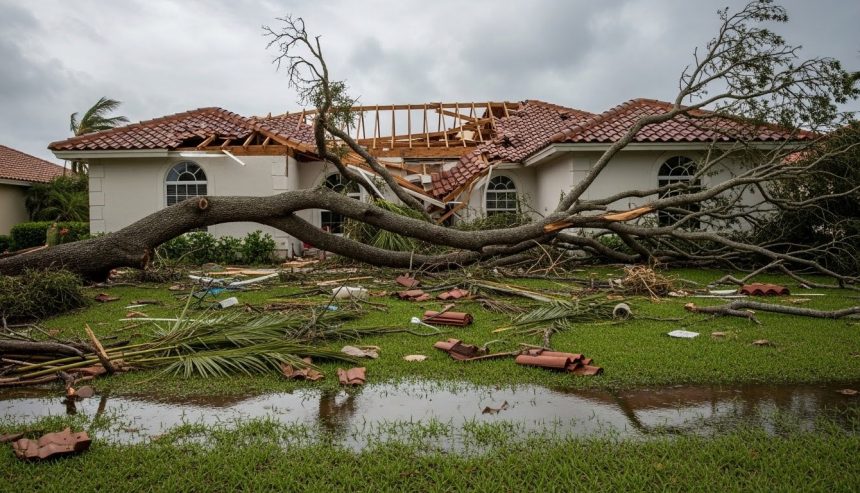
Tropical storms can change things fast here on Marco Island. One moment it is windy and wet, and the next you are stepping outside into silence under an overcast sky, unsure what has been left behind. Even the smaller storm systems can cause bigger problems than expected. High winds and pounding rain do not need hours to do their work. In just one afternoon, roofs can be damaged, power knocked out, and water pushed into places it was not meant to be.
After the storm, most people we talk to share a similar feeling, that kind of quiet after something strong has passed. It is uncertain, surprised, sometimes even overwhelmed by the mix of debris, flickering lights, or the sound of dripping water where it should not be. That is a common moment across homes and businesses, especially as spring storms kick up and we move closer to hurricane season.
First 24 Hours After a Storm
Those first hours when the sky clears are some of the most important. This is when we start checking for visible signs of damage.
- Look at the roof from the ground and scan for missing shingles or sagging spots.
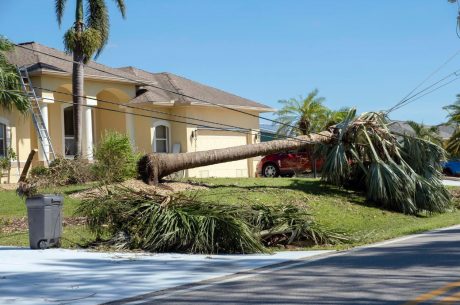
- Fallen limbs, scattered branches, or leaning trees near the house can signal possible structural or water damage.
- Broken or cracked windows may not let in much water at first, but pressure shifts during a storm can weaken their seals.
It is important to know where water might have entered, especially from above-ground sources like roof vents, soffits, or wind-blown gaps. That water can settle under flooring or behind wall materials without much sign early on.
It is also normal for utilities to be unstable after a tropical storm. If power or water service was interrupted, that can open up safety issues. Report the trouble as soon as you are able, especially if you smell gas, notice sparking, or have no water pressure.
Common Types of Damage and How They Spread
A lot of storm damage is not loud or obvious. It moves slowly or stays hidden until later.
- When rain gets pushed sideways by strong winds, it can sneak into cracks near vents, windows, and roof edges.
- You might notice yellow spots on the ceiling after the air clears, or that the house smells musty the next day.
- If floors feel soft or seem warped, water may have gotten underneath without pooling where you can see it.
Some damage is unique to our area. Salt and sand from the air can wear down exterior paint, siding, shutters, and doors. That exposure usually takes longer to show up but can shorten the life of materials that are not made for our climate.
Safety Risks That Linger After the Storm
The storm may have passed, but that does not mean everything is secure. Some of the biggest hazards show up later.
- Water near electronics creates serious risks. Stay away from areas with damp outlets, cords, or surge strips.
- Wet floors, especially where ceilings or drywall have started to soften, can collapse or create tripping hazards.
- If your refrigerator lost power, spoiled food can affect air quality, and the extra humidity can make it harder to breathe comfortably inside certain areas.
Even a few inches of standing water or soaked carpet carries risk, especially when air conditioning is not running. It is common for mold and mildew to start growing right away in Florida’s climate, so it is important not to sleep in the space or close off the room where water may be trapped.
How Businesses on Marco Island Are Affected
When commercial buildings get hit by storm damage, the impact stretches past the walls. It slows down day-to-day operations and can keep places closed longer than expected.
- A roof leak might not interfere with electrical systems, but it can shut down entire sections of a retail space.
- If the HVAC unit takes on water, the building may no longer cool properly. That turns small ventilation problems into health risks.
- Delayed cleanup anywhere near cash registers, restrooms, or product displays makes it harder to keep things moving or plan safe reopening.
In tourist areas like Marco Island, even a short closure means lost income for more than just store owners. The longer a cleanup waits, the longer employees are out of work, and visitors go elsewhere.
Why Quick Professional Help Makes a Difference
Storm water and wind damage do not always stop once the clouds do. In fact, some of the biggest repair costs come from things that were not caught early.
- A quick response can stop mold before it spreads behind walls or under flooring.
- Trained eyes know how to find signs others miss, like minor water trails inside ceiling lines or insulation getting damp near light fixtures.
- Local knowledge matters. Knowing how buildings in our area are put together helps us find weak points faster and work on fixes without delay.
The difference between removing moisture on day one and letting it sit until day three can add weeks to a repair timeline. And when humidity is already high like it is in late April and May, getting ahead of it makes the process smoother for everyone.
Start Recovery One Step at a Time
Facing Marco Island storm damage does not mean doing everything at once. It just means taking that first step, checking the space, making sure it is safe to enter, and giving yourself time to figure out what comes next.
Storms may come and go fast, but the recovery process works best when handled in stages. From the first inspection to the final repairs, what matters most is making steady progress. Spring and summer bring plenty of rain our way, and being prepared to respond, not just react, helps to protect homes and businesses when the next storm rolls through.
When water or wind affects your property, fast action can prevent further issues. Roof leaks and hidden moisture under flooring often cause more damage than expected. We help Marco Island homeowners and businesses take smart steps after storms to protect what matters most. Spotting signs of Marco Island storm damage means it is time to act. Call PuroClean of Marco Island to get started.


 PuroClean of Marco Island