


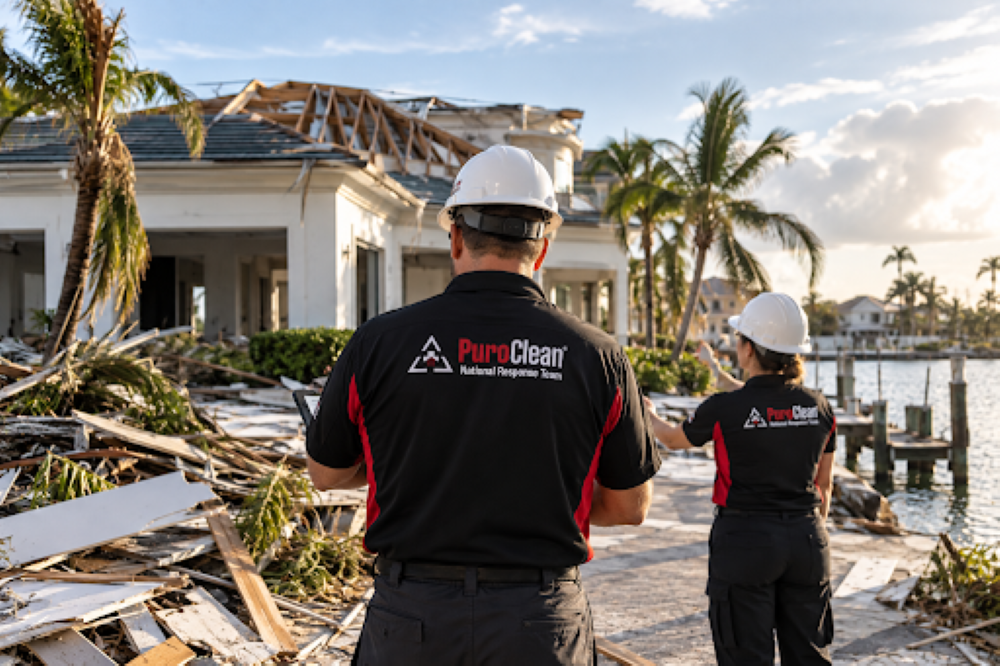
What to Expect From Disaster Reconstruction on Marco Island
Disaster reconstruction is what happens after the emergency part is over. It is more than mopping up water or wiping away soot. It is the full process of tearing out damaged materials, checking what is safe, pulling permits, rebuilding, and finishing your home so it feels like home again. Here on Marco Island, that often follows hurricanes, tropical storms, flooding, strong wind, or fire.
When you understand how disaster reconstruction works, the whole experience feels less overwhelming. You can set realistic expectations, make decisions faster, and feel more in control of what happens next. Our team at PuroClean of Marco Island helps with the full process, from the first emergency response all the way to the final repairs and walkthrough.
First 72 Hours After Damage: Safety, Stabilization, and Planning
The first three days are all about safety and stopping further damage. Before anyone steps inside, the structure and utilities need to be checked. That often includes:
- Shutting off electricity, gas, and water if they might be unsafe
- Looking for sagging ceilings or leaning walls
- Securing doors, windows, and openings from weather and entry
- Keeping family and pets away from unsafe areas
Once it is safe, emergency mitigation starts. Depending on what happened, that may include:
- Extracting standing water
- Cleaning smoke, soot, and residue from surfaces
- Removing fallen debris and damaged contents
- Starting structural drying and dehumidification
- Placing air scrubbers to help with odor
During this same period, planning begins. A professional team and your insurance company will often:
- Take photos and videos of the damage
- Use moisture meters to see how far water has spread
- Note what can be cleaned and what must be removed
- Begin an initial reconstruction plan and rough timeline
This early work sets the stage for everything that comes next.
Week One to Week Three: Demo, Drying, and Hidden Damage
Once the scene is safe and documented, selective demolition starts. This is not smashing everything. It is careful and controlled. Common demo steps include:
- Removing soaked drywall, baseboards, and damaged trim
- Pulling out ruined cabinets, vanity tops, and fixtures
- Taking up flooring that cannot be saved
- Cutting out mold or biohazard-affected materials in a safe way
After demo, drying and dehumidification do the heavy lifting. Equipment may run for many days. Crews usually come back often to:
- Check moisture levels in walls, ceilings, and structural wood
- Move or adjust fans and dehumidifiers
- Decide when materials are dry enough to move into repairs
This testing is important. If wood or framing is still wet, closing up walls too soon can lead to mold and long-term damage.
Once walls and ceilings are open, hidden problems often appear. For example:
- Old or damaged electrical wiring
- Corroded or leaking plumbing lines
- Structural areas that need reinforcement
Finding these issues can change the schedule, because plans might need to be updated and some work may require new permits or extra inspections.
Permits, Inspections, Insurance, and the Rebuilding Phase
Many reconstruction projects on Marco Island need permits from the local building department. Permits are usually required when work affects:
- Structural framing
- Electrical systems
- Plumbing lines or drain systems
- HVAC components
Approval times can vary, especially when there has been communitywide storm damage and many people are applying at once. Large events or busy seasons can slow things down. Your contractor typically prepares and submits the permit paperwork and keeps an eye on the status.
At the same time, the insurance approval process is moving forward. Common steps in that cycle include:
- Adjuster visits to view and record the damage
- Detailed estimates from the contractor
- Supplement requests if hidden damage is found after demo
- Ongoing communication between you, the contractor, and the adjuster
Clear, steady communication helps avoid confusion and cuts down on back-and-forth delays.
As rebuilding begins, inspections become checkpoints. Typical inspection stages may include:
- Framing inspections, to confirm structural work is done correctly
- Mechanical, electrical, and plumbing inspections, once rough work is installed
- Final inspection, when finishes are complete and the space is ready for use
If an inspection passes, work can keep moving. If something fails, it must be corrected and rechecked, which can add some days to the schedule.
Once approvals and rough work are in place, the rebuild really starts to look like a home again. The rough-in stage focuses on the behind-the-scenes systems:
- Repairing or replacing framing members
- Running new electrical lines and setting boxes
- Repairing or updating plumbing runs
- Addressing any needed HVAC work in the affected areas
After rough work is approved, finish work starts. The typical order often looks like:
- Insulation in opened walls and ceilings
- Drywall hanging, taping, and sanding
- Priming and painting walls and ceilings
- Installing flooring and baseboards
- Hanging interior doors and trim
- Installing cabinets, countertops, and built-in storage
- Setting light fixtures, plumbing fixtures, and hardware
Timing for each step depends on how many rooms are damaged, specialty materials, and crew availability.
Homeowner choices play a big part in how smooth this stage feels. You can help things stay on track by:
- Choosing paint colors, flooring, and finishes early
- Being ready to approve changes quickly when needed
- Avoiding major design changes once work has started, if possible
When everyone is on the same page, the project tends to move at a steadier pace.
Common Delays and How to Avoid Them
Some delays are outside anyone’s control, especially in a coastal community. Common timing issues include:
- Busy periods after storms when many properties need work
- Material backorders and shipping delays
- Shortages of specific trades during peak times
Other delays come from changes in scope. These can include:
- Discovering more damage behind walls or under finishes
- Choosing upgraded finishes that require extra work or special orders
- Making design changes once the rebuild is underway
Paperwork and access can also slow a project:
- Waiting for mortgage company approvals or signatures
- Missed inspection appointments
- Locked or blocked property access when crews are scheduled
Working with a contractor who coordinates schedules, paperwork, and communication can reduce many of these slowdowns, even when big storms affect the whole area.
FAQs About Disaster Reconstruction on Marco Island
How Long Does Disaster Reconstruction Take on Marco Island?
Smaller projects can sometimes be finished in a few weeks, from mitigation through final repairs. Larger storm-related jobs, or those with major structural or system damage, can take several months. Permit timing, inspections, material availability, and the amount of damage all affect the schedule.
What Can I Do as a Homeowner to Keep the Project on Schedule?
You can help by making decisions on finishes quickly, answering questions from your contractor as soon as you can, and keeping the property easy to access. Try not to change the design or materials once crews have started work, because changes often require new approvals and extra time.
When Should I Call a Restoration and Reconstruction Professional?
It is best to call as soon as it is safe after any fire, water damage, mold concern, storm impact, or biohazard situation. Early professional mitigation helps limit further damage, speeds up drying and cleaning, and sets up a much smoother reconstruction phase.
Will Insurance Cover All of My Reconstruction Costs?
Coverage depends on your policy details, the source of the damage, and any limits or exclusions. Often, insurance is focused on getting your home back to its pre-loss condition. Upgrades or certain code-related improvements might not be fully covered and could be your responsibility. Your contractor can usually coordinate directly with your adjuster to help clarify what is included.
How Does PuroClean of Marco Island Update You During the Project?
We typically provide regular status updates, explain upcoming milestones and inspections, and talk through any changes in scope or timing. We also document work with photos and written reports, so you and your insurance company can see what has been done and what is coming next.
Get Started With Your Project Today
When a disaster disrupts your property, we are ready to help you move from damage to full recovery with expert disaster reconstruction services. At PuroClean of Marco Island, we coordinate every step so your home or business is restored efficiently and correctly. Reach out today to discuss your situation, set expectations, and get a clear plan in place. If you are ready to move forward, simply contact us and we will get started.