 PuroClean of Marco Island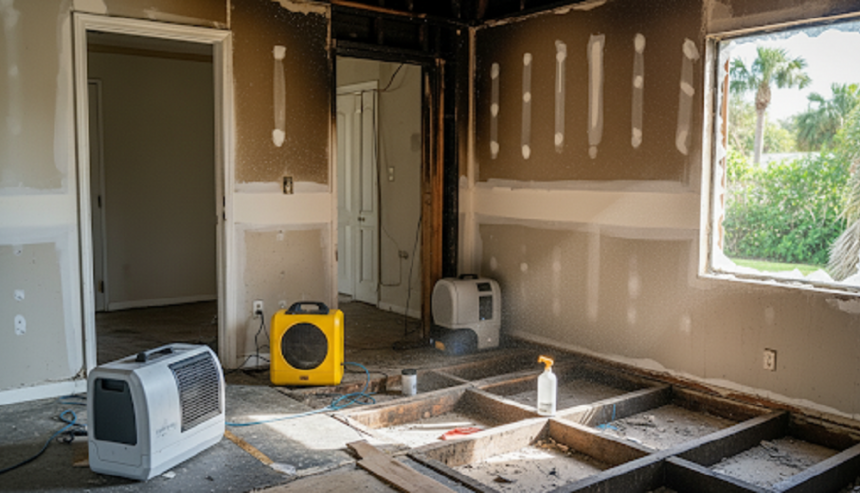
Living in Florida comes with its own mix of risks when it comes to protecting a home. With the potential for wildfires, power surges, and storm-related accidents, it is not unusual for local homes to face both fire and water damage in a single event. What people do not always realize is how connected those two threats can be. Cleanup is not just about burnt pieces of furniture or scorched walls. When fire hits, water often follows close behind, especially once firefighting efforts are involved.
That is why fire water damage restoration is more than just a single-step process. It usually combines two very different issues happening all at once. In places like Marco Island, where spring brings warmth, moisture, and the arrival of storm season, leftover damage can build quickly if it is not handled right away. Understanding how fire and water act together inside a home helps homeowners stay calm and make clearer decisions in the days that follow.
How Fire Can Lead to Water Damage in Florida Homes
When fires break out, water is often used to save the structure. But once the fire is out, that same water becomes another problem entirely. The results may not be obvious at first glance, especially in walls, under floors, or inside insulation. Mix that with Florida’s warm air and it creates a perfect space for hidden damage. Days or hours can be all it takes for things to start breaking down.
- Fire hoses soak floors, drywall, wood, and any fabric left behind, holding in moisture
- Humid air during spring can slow the drying process and raise indoor humidity
- Moisture trapped in ceilings or wall cavities makes mold growth more likely
Water left behind can spread out unseen, softening materials and making them unstable over time. Because fires often damage the roof or windows, more moisture or rain from spring storms can sneak in and make the problem worse before anyone realizes it.
The Lasting Signs of Fire and Water Damage If Left Untreated
Once the flames are out and the smoke clears, homeowners are often left staring at stains and dark smudges. Surface issues only show a small part of the story. There is more damage hiding below the surface, especially in homes touched by both fire and water.
- Smoke stains might stay on walls, ceilings, or vents long after the fire
- Damp drywall may feel dry on the outside but hold moisture inside
- Mold can grow quickly in insulation, fabric, and wood soaked during firefighting
- Water can settle into open grain wood, making floors buckle or warp over time
- Structural wood weakened by heat may break down faster when wet
The problem with untreated fire and water damage is how it continues changing the home long after the fire. The mix of soot, water, and heat can even damage metal, electronics, and appliances. The longer the delay in cleaning, the deeper the damage goes.
What Makes Florida’s Climate a Bigger Risk
Florida’s environment makes everything about restoration more urgent. The mix of heat, moisture, and salt air adds pressure to act faster than places with drier or cooler weather. Around springtime, the risk increases as both temperatures and storms start to ramp up.
- The warmth speeds up the growth of mold spread in damp materials
- Thick humidity makes it harder for wet surfaces to dry naturally
- Spring storms bring extra rain and wind, making it easier for new water to enter
- Salt from nearby ocean air can react with fire debris and corrode metal items
Here on Marco Island, the coastal air adds one more piece to the puzzle. Even items that were not severely damaged by flames or water might still see wear from salt exposure. Time plays such a big role in deciding how repairable something really is.
What Restoration Involves When Both Fire and Water Are Present
Once a home has been hit by both water and fire damage, cleanup often needs extra steps. The goal is to remove soaked materials before they trap odors or grow mold, while also making sure any lingering smoke particles do not stay in the air too long.
- Start by removing damaged walls, floors, and any personal items too far gone
- Use tools that detect hidden moisture under wood, tile, and drywall
- Treat and clean air using filters or devices made to remove smoke odor
- Replace insulation and drywall that cannot be dried or cleaned safely
This is where experienced help really matters. It is not just about hauling out burnt parts. It is about knowing what can be salvaged and what needs to go. Taking too long with these early steps often leads to major repairs that could have been avoided with faster care.
Why Timing Matters for Recovery in Florida
Time is one of the biggest differences between a home being repaired or needing full replacement in certain areas. Since we are in Florida, even small delays during the spring can turn into big problems. Moisture builds up fast, and damage spreads quietly if left unchecked.
- Humid air keeps surfaces wet longer, so drying can take more time
- Any new leaks from storms may enter through roof damage or broken seals
- A delay in documentation can slow down insurance claims or lower payouts
- Wet wood attracts pests, while exposed fire damage invites rot or mold
Even temporary fixes help hold back damage in the early days after fire and water exposure. Simple choices made early, like airing out rooms or sealing an area, can buy time until full restoration happens. Acting early is harder with everything going on, but it can make all the difference in the end.
Getting Back to Normal in Coastal Florida
Recovering from fire and water damage at the same time does not feel easy, especially when you are trying to protect your family and belongings. From the outside, things might look okay. Inside the home, odors, wet materials, and damaged walls can make daily life uncomfortable fast. Knowing what happens during cleanup makes the process feel less unknown.
In Florida’s climate, small problems do not stay small for long. Smoke that is not cleaned fully can come back in warm weather, and water that is not dried fast can rot floors or walls. That is why quick action matters. The faster cleanup begins, the better chance homeowners have at saving what matters and moving forward on their own terms.
At PuroClean of Marco Island, we understand how quickly fire and water damage can disrupt your life, especially with Florida’s heat and humidity intensifying the situation within hours. Taking action fast is important, whether that means removing soaked materials, drying your floors, or addressing smoke odors. That is why our team provides support for any situation where fire and water damage strike your home together. When you need expert fire water damage restoration, give us a call and let us help you move forward.


 PuroClean of Marco Island