


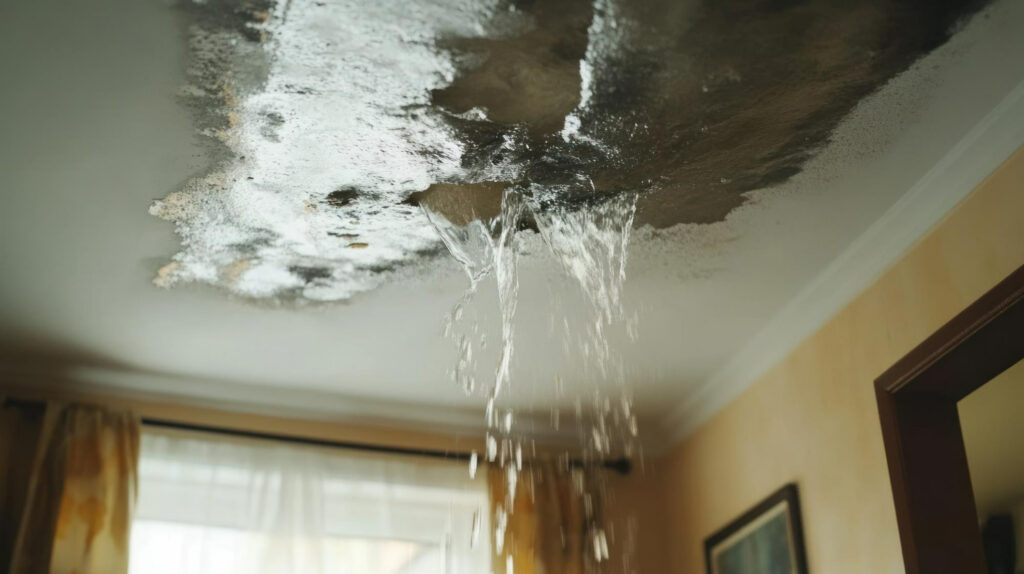
Protecting Your Florida Condo After Water Damage
Water damage in a Florida coastal condo is not just annoying; it can spread fast and get expensive if it is not handled the right way. Between hurricanes, tropical storms, heavy summer rain, high humidity, plumbing leaks, and AC condensate line clogs, condos near the water face extra risk all year.
When something goes wrong, you have to move quickly. Knowing where the condo association stops and where your own responsibility begins can make a big difference for your wallet. Clear photos, good notes, and fast reporting can be the difference between a smooth insurance claim and a long, stressful fight.
We work in Marco Island and nearby Southwest Florida communities, so we see this often, especially around storm season. Our goal is to help you feel prepared before water ever touches your floors or walls.
Who Pays for What After Condo Water Damage
In most condo buildings, there are two big pieces: what the association covers and what each unit owner covers. The line between them is usually written in your condo documents and tied to the master insurance policy.
Typically, the association is responsible for things like:
- Roof and exterior structure
- Exterior walls and common hallways
- Shared plumbing lines in walls or ceilings
- Common mechanical rooms and shared equipment
Unit owners are usually responsible for:
- Interior finishes like paint, flooring, and trim
- Cabinets, counters, and many fixtures
- Appliances inside the unit
- Personal belongings and furniture
That “from the walls in” phrase gets used a lot, but every building is a little different, so you cannot depend on a slogan alone.
Common water damage situations we see in Florida condos include:
- Wind-driven rain getting in around windows or sliding doors
- Roof leaks that drip down into top-floor or even lower units
- A broken pipe or overflowing tub in a neighboring unit
- AC condensate line clogs that soak ceilings or walls
- Fire sprinkler discharges that affect several units and hallways
Depending on how your building is set up, responsibility can shift between the HOA, you, and sometimes a neighbor. For example, a leak in a common line might start as an association issue, but damage to your cabinets and flooring might still fall on your policy.
The best time to learn who covers what is before anything happens. We strongly suggest:
- Reading your condo declarations and bylaws
- Getting a copy of the master insurance summary or declarations
- Saving these in a safe, easy-to-find place
When water shows up, you will not be guessing. You will already know where to look for answers.
Navigating Florida Condo Insurance Claims with Confidence
Most Florida condo water losses involve more than one insurance policy. It sounds confusing, but it helps to keep it simple.
Here are the main policies usually involved:
- HOA master policy: May be “bare walls” (structure only) or “all-in” (includes some interior finishes). This protects the building and common areas.
- HO-6 unit owner policy: This is your condo policy. It often covers interior finishes, improvements, and your personal property.
- Flood policy: Separate from normal condo insurance and focused on flood from rising water outside. Some condos carry it at the building level, and some owners also carry individual flood coverage.
After a water loss, a simple order of steps can help you stay calm and organized:
1. Protect life and safety first. Stay clear of sagging ceilings, possible electrical hazards, and contaminated water.
2. Stop the source if you safely can. For example, shut off the water supply valve.
3. Notify your HOA or management company right away.
4. Report the loss to your insurance carrier within their time limits.
5. Contact a licensed water damage restoration company that can respond fast and document everything.
A few practical tips make claims smoother:
- Report quickly so no one can say you “waited too long”
- Use email or written messages when you communicate, and keep them organized
- Keep a simple log of calls, with dates, names, and what was said
- Avoid permanent repairs until the adjuster has inspected, unless your carrier clearly approves them in writing
Temporary steps to stop ongoing damage are different from full repairs. Most policies expect you to take those temporary steps.
Essential Documentation Checklist for Faster Approvals
Good documentation tells the story of your loss from start to finish. The more clear and organized it is, the easier it is for adjusters to say yes.
Right away, try to gather:
- Wide photos of each affected room
- Close-up photos of damaged floors, walls, cabinets, and contents
- Short videos of active leaks or standing water
- Photos of any wet ceilings or bubbling paint
When a professional restoration team is involved, they may also provide:
- Moisture readings for walls, ceilings, and floors
- Humidity readings
- Drying logs that show progress over several days
On the paperwork side, it helps to keep:
- Dated notes about when you first saw the damage and who you notified
- Emails and letters with the HOA, property manager, and neighbors
- Reports from plumbers, HVAC techs, or other specialists
- Invoices for emergency water removal and drying
- Detailed estimates for repairs and reconstruction
We recommend building a simple digital “loss file.” A cloud folder or shared drive works well. Helpful items include:
- Pre-loss photos or videos of your unit, especially upgrades
- Current damage photos and videos
- Policy declarations pages for your HO-6 and, if you have it, flood coverage
- All contractor proposals, invoices, and any change orders
- Letters and emails from insurance adjusters
If a claim is delayed or a supplement is needed later, this file can save a lot of stress.
Florida Coastal Timing: Storm Season and Drying Deadlines
Early summer brings the start of peak storm and hurricane season in Florida. At the same time, the air is already humid, so drying buildings gets harder. In a condo, that trapped moisture can quickly lead to mold if it is not handled correctly.
Many insurance policies say you must take “reasonable steps” to prevent further damage. In water losses, that usually means:
- Getting professional help for water extraction
- Setting up dehumidifiers and air movers
- Allowing regular moisture checks until materials are dry
Waiting to see if it “dries on its own” can cause more damage and also give your insurer a reason to reduce or deny part of the claim. Fast action shows you are doing your part to protect the property.
When a restoration company responds to a condo water loss, they typically use industry-standard equipment and processes. Just as important, they document:
- Starting moisture levels
- Daily readings in affected areas
- Drying equipment used and how long it ran
- Final dry standard readings
These reports often get shared with adjusters and HOA boards. They help show that both the association and the unit owner acted responsibly and took the problem seriously.
Frequently Asked Questions About Florida Condo Water Damage
In a Florida Condo, Who Usually Covers Water Damage Repairs?
In many buildings, the HOA is responsible for common elements like the roof, exterior walls, and shared plumbing lines, and the unit owner is responsible for interior finishes and personal property. The exact split depends on your condo declarations, bylaws, and how the master policy is written, so it is important to review those documents and confirm with your association.
When Should I Call a Water Damage Restoration Company After a Leak?
You should make that call as soon as you discover the damage, ideally within hours. Fast extraction and drying limit structural damage, reduce the risk of mold growth, and show your insurance company that you took reasonable steps to reduce the loss.
Will My HO-6 Condo Policy Cover My Damaged Flooring and Cabinets?
Many HO-6 policies include coverage for interior finishes such as flooring, built-in cabinets, and paint, but coverage can vary. It depends on your specific policy and whether your building is insured on a “bare walls” or “all-in” basis, so review your declarations and speak with your agent to confirm.
What Kind of Documentation Helps Most with a Florida Condo Water Damage Claim?
Clear photos, videos, moisture readings, drying logs, contractor reports, and organized notes about who you contacted and when can all support your claim. Keeping these items together in a simple digital file makes it easier to share information with adjusters and your HOA.
What to Do if Your HOA and Insurer Disagree on Responsibility?
Keep all communication in writing, share every document and photo you have, and carefully review your governing documents and policy wording. You might decide to involve your insurance agent, a public adjuster, or legal counsel, but you should still move forward with needed mitigation work so the damage does not get worse while the dispute is sorted out.
Protect Your Home With Fast, Professional Restoration
If water has disrupted your property, we are ready to respond quickly and help you recover with trusted expertise. Learn how our certified team handles every step of water damage restoration in Florida, from inspection to complete drying and cleanup. At PuroClean of Marco Island, we focus on minimizing damage, preventing mold growth, and restoring your space safely. Reach out today to discuss your situation or schedule service through our contact page.