


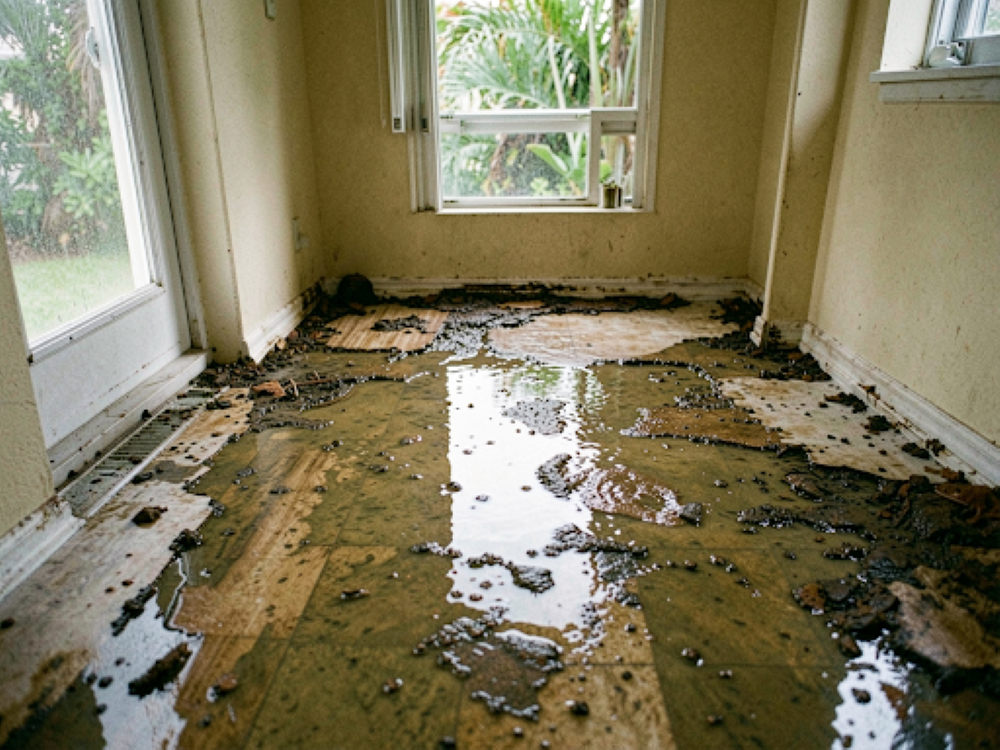
Ground-floor homes in Florida are always close to water, even on clear, sunny days. Between heavy rain, high tides, and our coastal setting, that water can sneak into places it does not belong, especially at ground level.
If you live on Marco Island or nearby, your home is likely low to the ground and close to the coast. That makes it easier for water to reach your doors, walls, and floors. In this article, we will walk through why ground-floor homes face extra risk, how Florida’s climate feeds hidden problems, where water usually gets in, and what you can do to lower the chance of serious damage.
Why Florida Ground-Floor Homes Face Extra Risk
Late May in Southwest Florida is a turning point on the calendar. Hurricane season is beginning, and with it come long rain bands, pop-up storms, and stronger tides that line up with the moon. For ground-level homes, this mix can bring water right to your doorstep.
Ground-floor and slab-on-grade homes in this area deal with several challenges at once:
- Low elevation near the Gulf
- Direct coastal exposure to wind and rain
- Groundwater that already sits high under the soil
These factors make certain types of water damage in Florida more likely for ground-floor properties, including:
- Storm surge that pushes water over seawalls and into streets
- Wind-driven rain that forces water into tiny gaps around windows and roofs
- Tidal or “sunny day” flooding during king tides
- Plumbing failures that spread across floors and under walls
- Roof or window leaks that drip down into lower units and rooms
Our goal is to share local insight so you can lower your risk, respond fast when something happens, and better protect the home you worked so hard for.
How Florida’s Climate Drives Hidden Water Damage
In Southwest Florida, hard rain is a regular part of life. During wet months, storms can soak the ground around your foundation over and over. When soil stays saturated, the water has to go somewhere. It often pushes against your slab, patios, lanais, and exterior walls, then slowly finds its way inside.
Here is what makes things worse in our climate:
- High humidity makes it hard for buildings to dry out
- Warm temperatures help mold get started quickly
- Moist air slips into small gaps and lingers in dark spaces
A tiny amount of moisture behind drywall or cabinets may not seem like a big deal at first. But in our weather, that trapped moisture can turn into:
- Mold growth inside walls and under baseboards
- Swollen wood trim and soft spots in subfloors
- Peeling paint, stains, and musty smells
The high water table in Southwest Florida adds to the risk. Since groundwater sits close to the surface, there is less room for extra rain to drain away. That can cause water to:
- Back up through slab cracks
- Seep around floor drains
- Slip in where the slab meets the wall if seals are weak
Even on bright, clear days, king tides and coastal surges can push saltwater into streets, driveways, and low yards. When that water recedes, it often leaves behind:
- Salt that can corrode metal and concrete
- Contaminants that affect indoor air if they are pulled inside
These slow, quiet problems can be just as serious as a big storm.
Common Water Intrusion Points in Ground-Floor Homes
Water is always looking for the easiest way inside a ground-level home. Many owners are surprised to learn how many paths it can find.
Some of the most common entry points include:
- Under exterior doors and sliding glass doors
- Around poorly sealed or aging windows
- Through hairline stucco cracks along exterior walls
- At gaps around AC lines, cable lines, and other utility openings
Outside, the way water moves across your property makes a big difference. When rain hits the roof and has nowhere safe to go, it starts hunting for weak spots. Trouble often shows up when:
- Gutters are clogged and overflow against walls
- Downspouts drain right next to the foundation
- The soil slopes toward the house instead of away
Florida-style construction can add a few extra twists. Older tile roofs and aging flat roofs may let in wind-driven rain, which can travel down into ceilings and then into ground-floor rooms. Lanai enclosures and screened rooms can also collect water and direct it toward door thresholds and interior flooring if they are not draining well.
Plumbing leaks are another big issue at ground level. When a supply line or drain fails, the water tends to spread sideways, not down. It can travel:
- Under tile or vinyl flooring
- Behind baseboards and into wall cavities
- Into nearby rooms and closets
Because it is not always obvious right away, this kind of water damage in Florida homes can grow larger and more serious before anyone notices.
Seasonal Storms, King Tides, and Insurance Realities
As hurricane season gets underway, the smartest time to prepare is before the most active months. Early action helps limit how much water gets in and how much damage it can cause.
Storm surge and king tides make things especially tricky for coastal communities like Marco Island. When the Gulf rises and heavy rain hits at the same time, drainage systems can struggle. Water can be pushed:
- Up through floor drains and low shower drains
- Across garages and into storage areas
- Through low front entries and lanais
Insurance is another piece of the puzzle. Many homeowners are surprised by what is and is not covered after a water event. It helps to:
- Read how your homeowners policy defines water damage
- Understand the difference between flood coverage and standard homeowners coverage
- Keep photos and notes of any damage as soon as you notice it
- Start clean-up quickly, since delays can affect both your home and your claim
A simple seasonal checklist can pay off:
- Inspect and replace worn weather seals on doors and sliders
- Check window caulking and repair cracked stucco
- Clear gutters and confirm downspouts send water away from the building
- Know which licensed restoration professionals you would call in an emergency
Practical Upgrades to Protect Your Ground-Floor Home
You cannot control the weather, but you can make your home a harder target for water. Even small upgrades can add an extra line of defense.
On the exterior, consider:
- Installing or upgrading weather stripping on doors and sliders
- Resealing windows and repairing cracked stucco or mortar joints
- Sealing any gaps where pipes, cables, or AC lines enter the home
- Extending or redirecting downspouts so they drain away from the foundation
Inside, you can focus on materials and early warning:
- Use moisture-resistant trim and flooring in areas near doors or water sources
- Keep important items and electronics off the floor in ground-floor rooms
- Install water leak detectors near water heaters, washing machines, and under sinks
Drainage and grading are just as important, especially on flat lots. With help from experienced pros, some homes benefit from:
- French drains or similar systems to move water away from the structure
- Swales or shallow channels that guide runoff through the yard
- Landscaping that does not trap water against exterior walls
While homeowners can stay on top of simple tasks like cleaning gutters or checking visible seals, more complex changes are usually best handled by licensed contractors and restoration experts who understand local building methods and coastal conditions.
When Water Strikes, ACT Fast with Local Help
Even with the best planning, water can still find a way in. When that happens, quick, calm action can make a big difference in how well your home recovers.
Basic steps many owners follow include:
- Make sure everyone is safe, and watch out for electric and slip hazards
- If there is a safe way to stop the source, such as closing a main valve, do that right away
- Take photos and short videos of what you see, including standing water and damaged items
- Bring in a professional restoration team as soon as possible
At PuroClean of Marco Island, we focus on responding quickly, any time of day, with services designed for Florida homes. Our team can assess the damage, remove standing water, dry the structure, and work to reduce the chance of mold problems in our humid climate. Because we are local, we are familiar with common property types in this area, from ground-floor condos and villas to single-family homes on slabs, as well as typical insurance expectations for water damage in Florida.
Keeping that kind of support in mind before the next storm gives you one more layer of protection. With some planning, strong maintenance habits, and fast help when you need it, your ground-floor home can stand up better to the water that is always part of life in Southwest Florida.
Protect Your Home From Costly Water Damage Today
If you are dealing with water damage in Florida, we are ready to respond quickly to help reduce damage and restore your property. At PuroClean of Marco Island, our team uses proven techniques and equipment to address the problem at its source and help prevent future issues. Reach out so we can assess your situation and create a clear plan for cleanup and restoration. If you have questions or need immediate assistance, please contact us today.