


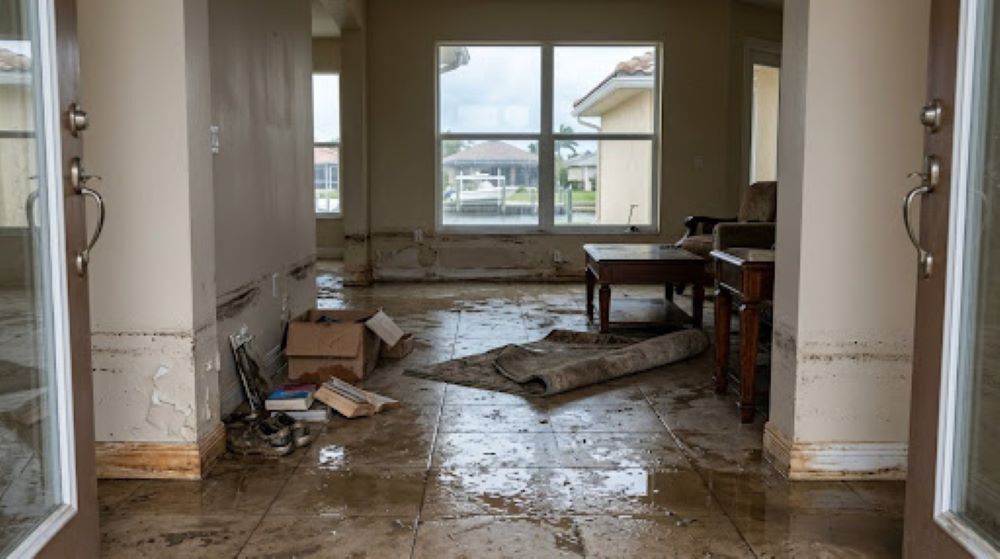
Florida summers pack in a double punch: intense heat and heavy humidity. On Marco Island, this mix sticks around for weeks at a time, and when water finds its way into a home, it creates a tough set of conditions for drying and cleanup. The air stays damp, afternoon storms roll in without warning, and any leftover moisture can turn into a bigger problem fast.
That is why water damage during the summer season needs quick, deep treatment. A simple towel-off or fan will not cut it. Professional water damage restoration works with the climate, not against it, and knowing how the process adjusts for summer makes a big difference when the weather will not cut you any slack.
Why Humidity Changes Everything After Water Damage
Humidity does not just make the air sticky. Once water gets into your drywall, flooring, or insulation, the damp air actually slows down how fast everything can dry out.
- High humidity traps moisture in surfaces for longer, especially in hot rooms
- Wet spots under tile or inside walls do not dry naturally when the air is already damp
- Wood floors swell faster in summer, sometimes pushing up boards or changing their shape
- Wet insulation holds water longer and increases the risk of hidden mold
- Upholstered furniture can stay damp on the inside, even when it feels dry on the surface
If soggy materials sit untouched in Marco Island’s summer heat, bacteria and mold start setting in. Within days, you may smell something off or feel a room growing more humid than others. That is why treating water damage without planning for humidity is like drying clothes in the rain. It does not do much.
Humidity also plays tricks with how water moves through materials. Instead of just drying out and disappearing, water may be pulled deeper into floors, walls, or cabinets as the moist air lingers. As the hours and days pass, this hidden moisture can slowly spread out, reaching new areas before anyone notices. This is why a small wet spot at first could signal much more serious damage below the surface.
Tools and Techniques Used in Professional Water Damage Restoration
Florida’s climate calls for serious equipment and careful planning. Our first goal is always to get the moisture out, completely, before it causes further damage. That starts with high-powered tools meant to handle this kind of wet, sticky air.
- Air movers push dry air across wet surfaces to speed up evaporation
- Commercial-grade dehumidifiers pull moisture from the air, helping materials dry faster
- Moisture meters let us know how wet things really are inside walls or under floors
- Thermal imaging helps find hidden damp spots that would not be seen with the eye
One of the reasons professional water damage restoration matters so much in a place like Marco Island is hidden moisture. Just because something looks dry does not mean it is. Wet insulation, padding under carpet, or seams inside cabinets can trap water for days. That is where planning and proper tools make all the difference.
Professional teams also adjust equipment based on each situation. Some areas dry faster with heated air movement, while others need slower drying to keep wood from warping or cracking in the humid heat. Tools can be swapped in and out as the conditions in your home shift over the days following a storm, making sure nothing is left to chance.
Mold Growth Risks in Summer and How Professionals Prevent It
Humidity speeds up everything, especially when it comes to mold. When water damage hits during Florida’s summer months, mold can follow fast if the drying process falls short.
In high humidity, mold growth can begin within 24 to 48 hours after water damage
- Warm air and damp surfaces give spores a perfect place to spread
- Mold often starts out of sight, behind walls, under furniture, or inside vents
To keep it from becoming a bigger issue, we use steps during and after cleanup to lower the risk:
- Drying the area completely with airflow and dehumidifiers
- Using moisture meters to track where hidden dampness still exists
- Treating surfaces that may have been exposed, especially porous materials
If drying is rushed or skipped, that low-key damp smell most people notice first is often a sign mold is already moving in. During summer, the process needs more than surface-level attention, especially when surprise storms knock out power or close up ventilation.
On top of quick drying, careful monitoring of each space keeps new growth from forming. Some spots, like closets or small bathrooms with little airflow, may need extra checks and longer drying times to prevent spores from coming back. This ongoing process is designed to make sure mold cannot hide and spread.
How Restoration Pros Plan for Florida’s Summer Weather
Summer on Marco Island does not give much wiggle room. Routines that work in other seasons need to shift when every day ends sticky and the forecast jumps from sun to thunder in minutes. These conditions demand a flexible approach to every restoration job.
- Afternoon storms create new water sources or halt drying work
- Overnight humidity can climb, undoing daytime dry times
- Power loss from lightning strikes or downed lines can stop equipment mid-process
We build drying plans that factor in these changes, working in stages based on what the weather allows. That means adjusting the setup of fans or swapping out dehumidifiers more often. We might also dry wood surfaces slowly at first, since trying to rush them in damp air can lead to buckling or staining.
Planning for these shifts does not just support the restoration process, it keeps your materials from reaching a point of no return. Flexible methods and quick responses are key in Florida’s muggy months.
It also helps to keep an eye on weather reports and set up backup power when storms threaten. By thinking ahead, teams make sure fans and dryers keep running even if the weather takes a sudden turn. The quicker a plan adapts to local changes, the better chance you have to save your floors, walls, and belongings from ongoing moisture.
The Payoff of Getting It Done Right
Florida summers do not give second chances when it comes to water damage. With heat working against you and high humidity holding onto every drop, drying things out halfway only invites more problems later, especially mold. But when the process is done right, with careful attention and the right tools, you are more likely to stay ahead of the setbacks.
A full restoration brings relief faster. It reduces the chances of long-term damage or repeat visits. And in summer, when the climate will not wait for you to figure it out, starting strong often means finishing strong too.
Summer storms in Marco Island can strike unexpectedly and leave moisture hidden throughout your property. We approach each situation with the urgency it deserves, using advanced tools and proven drying methods to halt damage before it spreads. When unwanted water turns up, our approach to professional water damage restoration is made for Florida’s unique humidity. Reach out to PuroClean of Marco Island today to protect your home or business.