


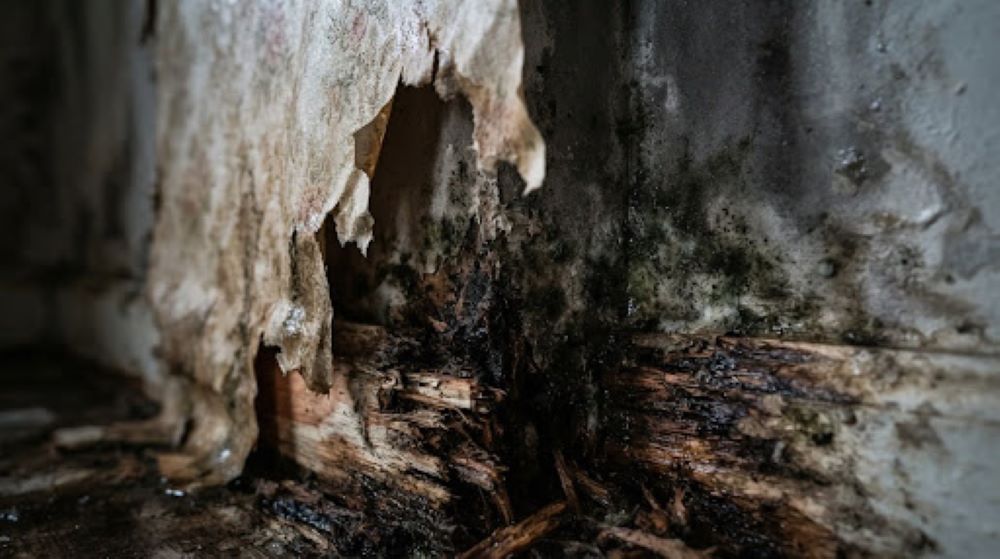
Spot Hidden Indoor Storm Damage Before It Spreads
Hidden indoor storm damage is a big problem for many Marco Island homeowners, especially as late summer storms pick up. The outside of your house might look fine, while water is quietly seeping into walls, ceilings, outlets, and your HVAC system. By the time you see obvious damage, the problem has often been growing for days.
Stormwater that sneaks inside can lead to mold, electrical hazards, and even structural trouble if it is not found and dried fast. We want to help you know where to look, what to sniff for, what to touch, and when to back away and let trained professionals step in. We will walk through key indoor areas like your attic, walls, outlets, and HVAC system, share simple moisture-testing tips, and point out clear red flags that mean it is time to call a professional restoration team like ours at PuroClean of Marco Island.
Attic and Roof Interior Check After Heavy Winds
The attic is one of the first places to check after strong winds and heavy rain. Water often sneaks in through tiny openings in the roof and slowly drips into the attic long before you see a ceiling stain.
Start with a careful look, not a fast walk. If you can safely enter the attic, bring a good flashlight and stay on solid surfaces. Look closely at:
- The underside of the roof decking and rafters
- Areas around vents, chimneys, and skylights
- The top edges of interior walls where they meet the roof
- Any roof-to-wall connection points
Signs that storm damage might be hiding include:
- Dark stains, fresh water trails, or damp wood
- Wet, matted, or sagging insulation
- A musty or sour odor when you first open the attic access
- Warped or discolored wood sheathing
- Small piles of gritty material that may have come from damaged shingles
You can gently press insulation or exposed wood with a gloved hand or use a consumer moisture meter on accessible surfaces. If you notice soft or crumbling wood, large wet areas, or you are not sure where the water is coming from, it is safer to stay off weak spots and bring in a professional for a full assessment.
Indoor Walls, Ceilings, Windows, and Electrical Safety
Strong wind-driven rain can push water into places you would never expect. It can sneak in around:
- Window and door frames
- Roof-to-wall joints
- Exterior wall penetrations, like vents or cable lines
From there, water can travel inside walls or across the back of ceilings and stay hidden for a while. Indoors, keep an eye out for:
- New stains or rings on ceilings or upper walls
- Bubbling, peeling, or cracking paint
- Hairline cracks that appear after a storm
- Sagging drywall or warped trim
- Damp or soft spots around window sills and door casings
Run your hand gently over suspect areas. If the surface feels cooler, damp, or slightly spongy compared with other sections, moisture may be inside. A low-cost pin or pinless moisture meter can help you compare readings between problem spots and areas that seem normal.
Outlets and switches in wet walls are especially concerning. Water can run down wall cavities and into electrical boxes. Watch for:
- Rust or discoloration on cover plates or screws
- Buzzing, crackling, or sizzling sounds
- Flickering lights
- GFCI outlets that keep tripping
- A burning or fishy smell near outlets or switches
If you notice any of these, it is safer to turn off the affected circuit at the panel. Do not remove plates or touch wet areas around electrical components. At that point, it is time for a licensed electrician and a restoration professional to check for hidden storm damage in the walls and insulation.
HVAC, Ductwork, and Indoor Air Quality After Storms
Your HVAC system works hard in Marco Island heat and humidity, and storms can put extra stress on it. Wind-blown rain can enter around roof or wall openings where ducts run, or around the air handler. Leaks near these areas can let moisture get into insulation, walls, and even ductwork.
After a strong storm, take a slow walk around your indoor HVAC components and vents. Look and listen for:
- Water stains or dampness around supply vents or return grilles
- Moisture or staining near the air handler closet or indoor unit
- Reduced airflow, uneven cooling, or odd noises when the system runs
Moisture and mold concerns often show up through smell before you see anything. Warning signs include:
- A musty or earthy odor when the AC starts
- Visible mold spots or fuzzy growth near vents, on registers, or on nearby walls
- Persistent condensation on or around interior HVAC components
If you notice strong musty odors, visible mold, or clear water damage near the system, it is safer to turn the unit off. Running the HVAC can move humid air and possible mold spores throughout the home. This is a good time for professional help with safe cleaning, drying, and checking the ducts and surrounding materials.
Simple Home Moisture-Testing Methods You Can Use Safely
You do not need professional tools to catch the first signs of indoor storm moisture. A few simple items can help you spot problems early:
- A digital hygrometer to monitor indoor humidity
- A basic consumer moisture meter for accessible surfaces
- A bright flashlight
- Blue painter’s tape to mark suspect spots for follow-up
After each strong storm, walk through key areas:
- Around windows and doors that face the wind and rain
- Under any new ceiling stains or discolored patches
- Near interior HVAC components and vents
- At attic access points and along upper interior walls
Compare meter readings in suspicious spots with areas that seem dry and unaffected. If some sections read noticeably higher, or if indoor humidity stays above about 55 to 60 percent even with AC running, there may be hidden moisture.
DIY testing is only a first step. Red flags that call for professional moisture mapping and drying include:
- Readings that keep climbing each day
- Recurring stains in the same places after every storm
- A musty smell that does not fade within a day or two
- Multiple rooms showing damp spots or humidity issues
When to Call a Professional Like PuroClean of Marco Island
Some storm problems are too risky or complex for homeowners to handle alone. It is time to bring in a professional restoration team if you notice:
- Visible mold growth on walls, ceilings, vents, or trim
- Multiple wet areas across different rooms
- Recurring water stains after more than one storm
- Strong musty or earthy odors that last longer than 24 to 48 hours
- Any concerns with outlets, switches, or electrical panels after a leak
A professional team can quickly detect moisture you cannot see, set up specialized drying equipment, and clean or remove damaged materials in a safe way. They can also coordinate with licensed electricians, HVAC technicians, and others as needed, and help document damage for your insurance claim.
At PuroClean of Marco Island, we live and work in this community, so we understand how often storms roll through and how easily hidden moisture can spread in a warm, humid home. Catching indoor storm damage early protects your house, your belongings, and your indoor air quality so you can feel comfortable and safe as the season continues.
FAQs About Hidden Indoor Storm Damage in Marco Island
How Soon Should I Check for Indoor Storm Damage After a Storm?
Check as soon as it is safe and there is enough daylight to see clearly, ideally within the first day, so you can catch fresh moisture before it spreads or leads to mold.
What Indoor Humidity Level Is Too High After a Storm?
If your indoor humidity stays above about 55 to 60 percent for long periods, it can encourage mold growth, so try to keep it closer to the 45 to 55 percent range with your AC and dehumidification.
Can I Paint Over Water Stains on Walls or Ceilings?
Painting over stains without fixing the source and fully drying and treating the area can trap moisture, hide mold, and cause bigger problems later, so the cause of the stain must be addressed first.
Is a Musty Smell After a Storm Always a Sign of Mold?
A musty smell is a strong warning sign that moisture or early mold may be present, especially if it lasts more than a day or two, so it deserves a closer look and possibly professional evaluation.
Will My Insurance Cover Professional Storm Damage Cleanup?
Many homeowners insurance policies cover sudden storm-related water damage, but coverage can vary, so it is best to review your policy and speak with your insurer while a restoration team documents the damage.
Restore Your Property After the Storm With Trusted Local Experts
When severe weather hits, fast action is the key to preventing additional damage and costly repairs. Our team at PuroClean of Marco Island is ready to respond quickly, assess the situation, and provide comprehensive restoration for storm damage in Marco Island. We use proven techniques and professional equipment to help bring your home or business back to pre-loss condition. For immediate help or to schedule an assessment, contact us today.