Protect Your Marco Island Condo Before Season Ends
The season is winding down on Marco Island, and many condo owners are getting ready to head home or visit less often. Before you lock the door and hand off your keys, this is the perfect time to check for water problems. A small leak or moisture issue that sits for months can turn into a big headache.
Late October is a good time to walk through your place with fresh eyes. The air is still humid, storms are still possible, and your condo may be closed up for a long stretch. A careful check now helps you avoid mold, stains, warped floors, and reduce stress later.
We work with condos across the area, so we see how Gulf Coast weather, high humidity, and shared walls all play a part in water damage in Florida. Below is a simple, step-by-step checklist you can follow before you leave, plus guidance on when it is time to bring in professional help.
Inspect Indoor Plumbing Before You Lock the Door
Most condo water damage starts with plumbing. Kitchens, bathrooms, and laundry closets are small spaces with a lot of pipes packed in. When a condo sits empty, even a slow drip can spread quietly.
Focus on these spots before you leave:
- Kitchen sink and faucet
- Dishwasher, refrigerator, and ice maker
- Bathroom sinks, showers, and toilets
- Washing machine and in-unit water heater
Take a flashlight and look under every sink. You are checking for:
- Damp or swollen cabinet bottoms
- Dark stains or rings on wood
- Soft or buckling flooring near the cabinets
- Any musty or sour smell
Around dishwashers and refrigerators, run your hand along the floor and nearby walls. If anything feels soft, warped, or cooler than the rest of the room, it can be a sign of moisture.
In bathrooms, look at:
- Toilet base for discoloration or soft flooring
- Supply lines for rust, kinks, or drips
- Any staining around the shut-off valves
Do the same in your laundry area and by your water heater. Watch for bulging hoses, rusty connections, or little puddles that keep coming back. If you find anything odd, take clear photos and have repairs handled before you leave. If damage already shows, it is safer to bring in a licensed plumber and a restoration team so the problem is fully checked and dried.
Guard Against Humidity, Mold, and Hidden Moisture
Florida humidity never really takes a break, and a closed condo can trap that sticky air inside. When warm, moist air sits still, it creates perfect conditions for mold and hidden moisture.
Before you go, set your thermostat and humidity controls with your absence in mind. Many condo owners:
- Keep the AC on, not off
- Choose a higher, but still comfortable, temperature
- Use dehumidifiers or smart thermostats if allowed by condo rules
The goal is to keep the air from getting heavy and damp. You want to limit moisture without overworking your AC.
Walk each room and trust your senses. Signs of early mold or hidden moisture include:
- Musty or earthy odors when you first open a closet or cabinet
- Tiny black, green, or gray spots on walls or ceilings
- Discoloration around AC vents
- Dark lines or dots around windows, sliders, or doors
A small patch of mold you can see might point to a much larger issue you cannot see yet, like moisture inside the wall. Professional teams use tools such as moisture meters and thermal cameras to check behind surfaces without tearing everything open. When you notice mold or suspect hidden moisture, it is smart to have a local restoration company inspect, handle removal, and help you plan for better moisture control that fits condo living.
Secure Windows, Doors, and Exterior Exposure Points
On Marco Island, wind-driven rain and salt air can sneak water into your condo even if your plumbing is perfect. Sliding glass doors, balconies, and windows are common entry points.
Before season ends, take a slow look at:
- Sliding glass doors to balconies or lanais
- Balcony access doors and frames
- All window tracks, sills, and corners
- Any spots where past water stains are visible
Check for gaps you can see light through, cracked caulk, loose or worn weatherstripping, and soft or spongy trim around frames. Look closely at the bottom corners of sliders and windows. Dirt in the tracks can block water from draining, which may cause it to back up inside during a heavy rain.
Make sure you:
- Close and lock all windows and doors firmly
- Engage storm shutters where you have them
- Clear balcony drains and scuppers so water flows out and away
Always review your condo association rules for shutters, balcony work, and exterior changes, and let building management know if you spot damaged seals or trim. Quick attention to exterior leaks protects not only your unit, but also neighbors, which can help avoid complicated questions about who is responsible for what if water spreads between condos.
Plan for Storm Season and Remote Monitoring
Even after you leave, storm season is still active. A condo can be hit by wind and rain while you are hundreds or thousands of miles away, and small problems can sit unnoticed.
To stay connected to your condo when you are gone, consider:
- Smart leak detectors or water sensors near sinks and appliances
- Sensors by the water heater and AC air handler
- An alarm system that can send alerts to your phone
These tools can let you know about leaks early so someone local can check right away. It is also a good idea to pick a trusted local contact, such as:
- A property manager
- A neighbor who stays year-round
- A professional condo checking service
Ask them to look in on your unit after major storms or named tropical systems. Many owners also plan for a basic monthly check during long absences, then add extra visits when the weather alerts pop up.
Before you leave, review your insurance and your HOA master policy. Learn what is covered inside your unit and what is considered a common area. It also helps to know which local restoration professionals you would call if you ever get a storm or leak alert so you can respond quickly and limit damage.
Frequently Asked Questions About Water Damage in Florida Condos
How Can I Tell If My Marco Island Condo Has Hidden Water Damage?
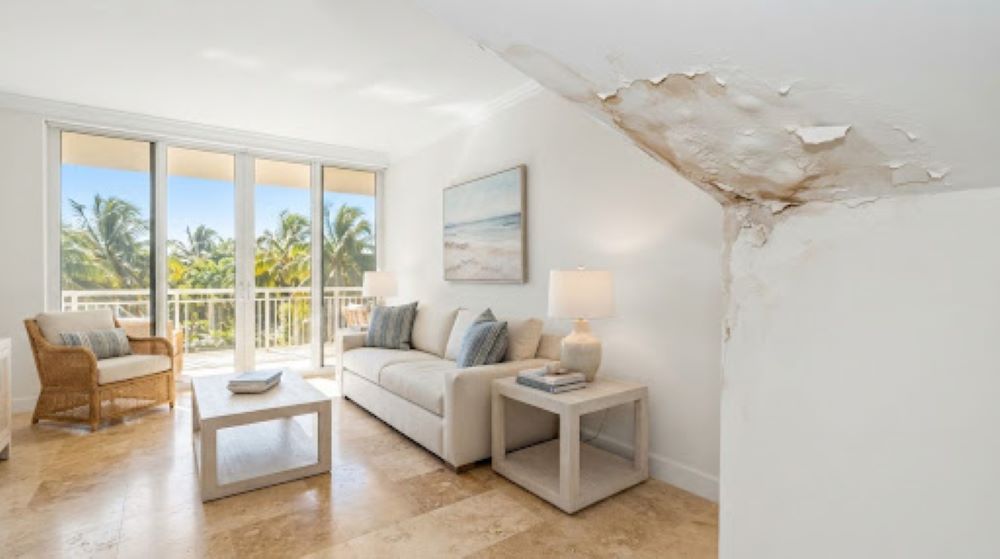
Look for musty smells, peeling paint, bubbling or discolored walls and ceilings, warped flooring, or rust around metal fixtures. If your AC or dehumidifiers seem to run nonstop, that can also hint at excess moisture. A professional moisture inspection can check behind surfaces and confirm what is going on.
Should I Shut Off the Water When I Leave My Condo for the Season?
When you are allowed to do so, turning off the main water supply to your unit before leaving is one of the best ways to prevent leaks while you are gone. If your building uses shared systems, talk with management first. If you cannot shut off all water, at least close individual supply valves to toilets, sinks, and appliances.
How Often Should Someone Check My Condo During Hurricane Season?
It is smart to have a trusted person or service look over your condo after any significant storm or named tropical system that affects Marco Island. For long stretches away, a monthly visit works well as a base plan, with extra checks added when the weather alerts or alarms from your sensors come through.
What Should I Do First If I Discover Water Damage When I Return?
Start with safety. Stay away from standing water near outlets, cords, or appliances, and avoid turning on lights or equipment in wet areas. Take photos and videos of anything you see, contact your insurance company, and then bring in a local restoration professional to handle water removal and drying as soon as possible.
Why Is Professional Mold and Water Damage Restoration Important?
Professional teams have equipment to fully dry building materials, locate hidden pockets of moisture, and handle mold in a safe way. This helps protect your condo’s structure, limit ongoing moisture problems, and reduce the chance of mold coming back. Proper documentation and standard procedures also support your insurance claim if one is filed.
Restore Your Property From Water Damage With Fast, Local Help
If you are dealing with water damage in Florida, we are ready to respond quickly and help you protect your home or business from further harm. At PuroClean of Marco Island, we use professional drying, cleaning, and restoration methods tailored to the unique conditions in our coastal region. Reach out today so we can assess the damage, explain your best options, and start the restoration process promptly. If you prefer to talk through your situation first, simply contact us and we will walk you through the next steps.