 PuroClean of Marco Island
Spring comes in fast across Florida, especially along the coast. Here on Marco Island, we start to feel the shift by late March. The air gets heavier, afternoon rain rolls in quickly, and the temperature swings can throw off more than just your weekend plans. That mix of heat, humidity, and moisture can wake up water damage that has been hiding since winter or even cause brand new problems.
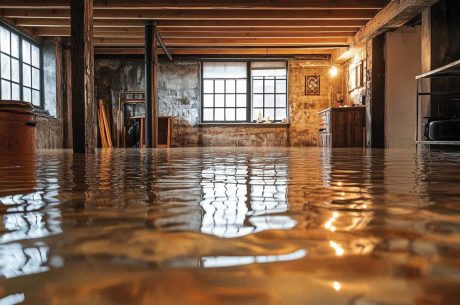
Florida water damage is not always loud and dramatic. Sometimes it starts as a faint smell or a soft patch on the wall. When you are living near the coast, being aware of those signs becomes part of your spring routine. It helps to know what triggers the damage and how to spot it early.
How Florida’s Spring Weather Affects Homes
Every spring brings different weather, but one thing stays the same: moisture. It collects fast when storms hit or humidity hangs around for days. Those conditions can start to chip away at homes both inside and out.
- Quick rainstorms, especially ones pushed by heavy wind, can get under roof tiles or through weakened window seals
- Humid days make it harder for houses to dry out, giving small leaks a chance to grow into mold or soft wood
- The swing from drier, cooler air to hot, muggy afternoons can cause drywall or flooring to expand and crack
People have seen how this season can slowly affect materials over time. Even something that seems minor in March might be worse by April if it is not spotted and handled early.
Common Water Damage Signs to Watch Around the House
You do not need special tools to notice signs of water trouble. Many of them can be spotted during a regular walk around your home if you know what to look for.
- Walls or ceilings that look warped, bubbled, or stained
- A musty smell that sticks around, no matter how clean the area gets
- Paint that peels off easily or soft spots in vinyl or wood floors
- Discolored grout or caulking around showers, sinks, or near windows
These signs are easy to ignore or blame on age, but they are often the first warning that spring moisture is getting where it should not. The sooner you connect the dots, the easier it is to act before damage spreads.
Why Coastal Florida Homes Are More at Risk
Living near the water has its perks, but it presents some real challenges when it comes to moisture. Salt from the air blends with humidity and creates the perfect situation for wear and tear in certain building materials.
- Coastal humidity speeds up how quickly older materials break down
- Stucco walls and tile roofs, though common, tend to hide leaks longer than wood or vinyl systems
- Construction near the water sometimes includes design choices that look clean on the surface but allow water to travel into places you cannot see
What makes these home styles appealing can also make them tricky to monitor. Spotting damage early here means checking deep, not just the surface.
Areas Where Spring Moisture Likes to Linger
Some places in the home are more likely to trap spring moisture. These areas can hold water longer, making it tougher to clear out once things go soft or mold begins growing.
- Inside wall spaces, especially near plumbing or where air is not moving well
- Under tile or hardwood flooring where water can get between layers
- Around older windows, sliding glass doors, or at the edge of roofs where wind-driven rain tends to collect
These areas might look solid from the outside, which is why it is easy to miss damage until it spreads. It is a good idea to pay extra attention to rooms like bathrooms and kitchens, especially near the floor and ceiling corners.
When to Call for Help and What to Expect
Spring in Florida does not give much warning. If something in your house looks off after a storm or still smells musty after a scrub, it might be time to bring in someone who can go deeper.
- Small signs that get worse are often tied to damage that is hiding in the walls or under the floor
- A proper inspection can check for trapped moisture, weak beams, or early-stage mold
- Professionals who handle Florida water damage every season know what patterns to look for, especially between March and May
You do not need to wait until something floods to get help. A slow drip behind a cabinet or damp wood you cannot explain can still cause big problems if it is left alone during this part of the year.
Staying Ahead of Spring Surprises
Spring rolls in, and it is supposed to be the start of better weather. But for homes along the Florida coast, it is actually a time to pay a little closer attention. Catching signs of Florida water damage now means fewer repairs once that summer heat sets in.
Watch your roof, windows, and ceilings. Walk your house after every big storm. When something feels even slightly off, trust that instinct. The earlier you notice a problem, the faster you can keep it from turning into a major issue down the line.
Spring’s humidity can quickly turn minor problems into major repairs around Marco Island. If you have noticed a damp smell that lingers or a wall that looks different, our team at PuroClean of Marco Island is ready to help. We will track down the source and take care of it before it spreads, whether it is a new leak or an issue that has built up over winter. Protect your property by letting us address any type of Florida water damage before it gets worse, reach out today to get ahead of the problem.

 PuroClean of Marco Island