


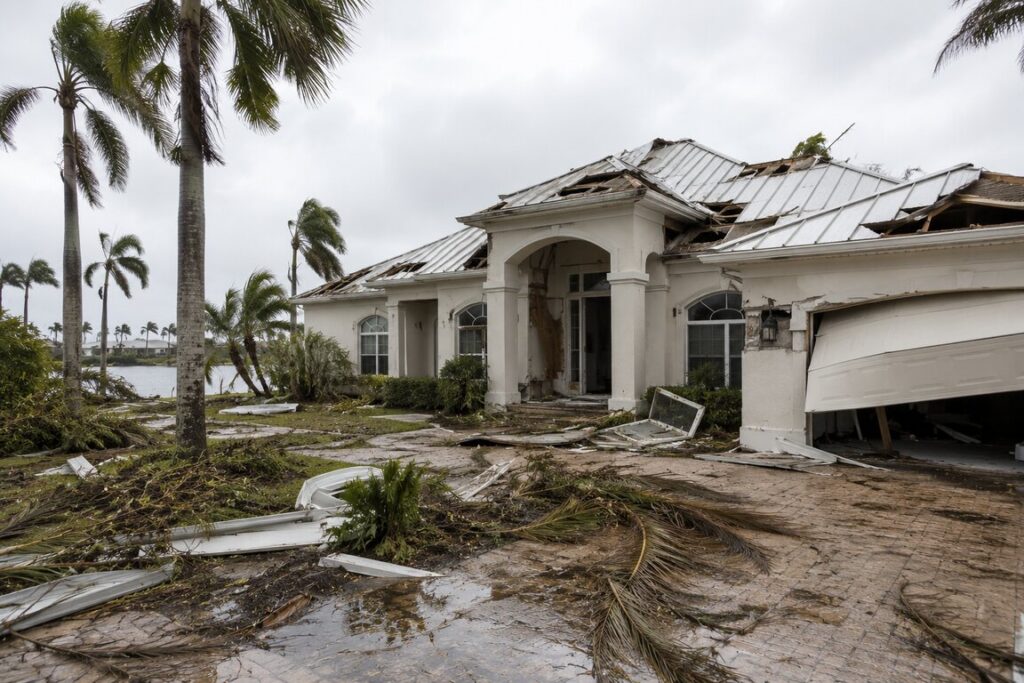
Summer in Marco Island, Florida, brings more than just sunny afternoons and swaying palm trees. It is also the peak time for strong storms, rising humidity, and sudden water or fire emergencies around the house. That is why residential property damage restoration becomes so important this time of year. Homes built near the coast deal with extra challenges when heavy rains and coastal winds hit, sometimes without much warning.
Between afternoon thunderstorms and above-average heat, homes can take damage fast. Add in the salty air from living so close to the Gulf, and things start to break down quicker than in other places. Florida summers are not about wondering if problems might happen. They are about understanding how fast they show up and how we respond when they do.
Understanding Summer Weather Challenges in Marco Island
Living here means we are used to heat, but the combination of summer humidity and near-daily rain makes restoration jobs more complex. When warm air holds extra moisture, all that water has to go somewhere. Often, it sneaks into walls, under floors, and through poorly sealed windows. By the time damage shows on the surface, it has already been there too long.
- High humidity accelerates mold growth even in places without standing water
- Afternoon storms bring quick flooding and create chances for leaks in roofs and sidings
- Coastal air carries salt that slowly wears down wood finishes, metal fixtures, and even concrete
All these effects start slow, then move quickly. Water that seeps into a crack during a storm can turn into peeling paint or warped trim within days. Heat just speeds everything up. Summer does not give us much time between storm season and damage season. Around here, they are the same thing.
One of the big things to note about summer on Marco Island is just how quickly the weather changes. While the mornings might be calm and sunny, afternoons can bring powerful winds, lightning, and buckets of rain that all put stress on a house. It is important to watch for changes in your walls, ceilings, or even smells in different rooms. These early signs might mean water is getting in where it should not, and waiting too long can make things worse.
Water Damage Risks That Show Up Fast
When storms roll through, water seems to find every weak spot in a home. One of the most common problems we see is roof damage from high winds or falling palm branches. Once a tile lifts or breaks, rain has a direct path into the attic and walls.
- Shingles may look fine from the ground but curl or lift during afternoon downpours
- Bubbling paint or a musty smell indoors can be signs of water hiding behind the surface
- Leaks from AC units or water heaters, which already work harder in summer, catch many by surprise
These water problems rarely stay contained. Once moisture gets into insulation or drywall, mold can spread quickly. Waiting too long to fix it only creates larger repairs later. Acting fast helps protect the parts of a home that cannot be replaced as easily, like framing or subflooring.
Stormwater often sneaks in from several places all at once. Sometimes the first clue is just a soft spot in the floor or a tiny line in the ceiling paint. Even a little water left after a storm can soak into building materials and keep the area damp for days. As temperatures stay high and the air stays moist, that trapped water can feed mold growth before you even see a stain appear. This is why even a minor leak or a puddle by a window should never be ignored in Florida summer.
Fire and Smoke Damage in Coastal Homes
Summer storms do not just bring wind and water. Power outages and electrical surges are common too, especially when lightning hits nearby lines. That is why we often see fire damage during or after storm season. Even small kitchen fires or popped outlets can leave smoke in places you did not expect.
- Large open floor plans make it easy for smoke to spread from room to room
- AC systems running nearly nonstop circulate smoke and soot through ductwork
- Florida heat traps these particles longer unless surfaces are cleaned professionally
We have worked in homes where the fire did not cause much visible damage but still left a lingering smell. That is because soot clings to walls, vents, and any textured surfaces. The heat and moisture in summer air make it even harder to remove without the right process. What looks like a surface issue often points to deeper problems hidden out of sight.
The risk of smoke traveling through the ductwork is higher with the air conditioning running constantly in the summer. Soot particles can end up clinging to carpets, curtains, or hard-to-reach corners. If they are not removed quickly, even a small fire can make the whole space feel stuffy or uncomfortable for weeks. This is why every part of the house sometimes needs a closer inspection, not just the room where the fire happened.
Structural and Indoor Air Issues After Storms
After the wind is gone and everything seems calm, there is often leftover damage that gets missed. Sliding doors and exterior walls take the brunt of wind-blown rain. If water slips in through damaged seals or siding, it settles into areas we do not see right away.
- Soffits, fascia boards, and window frames are common entry points for water
- Poor ventilation in closed-up homes keeps moisture trapped, softening wood and drywall
- HVAC systems not checked after a storm may push mold and smoke particles throughout the home
Storms do not just damage the outside. They create the perfect conditions for indoor air problems. That is why it is important to make sure everything from vents to attic spaces is cleaned and checked after summer weather rolls through. It does not take long for dampness and stale air to affect how a home smells and feels.
Some problems might not make themselves known until much later. A musty smell in the hallway or a window that just will not open like it used to could be clues that hidden areas are staying damp. Air inside a house holds onto moisture more easily after a storm, and without proper airflow, everyday activities like cooking or showering can make humidity levels climb. This encourages mold and makes the air feel heavy, making the home less comfortable in the long run.
Damage Can Linger Without Proper Restoration
After each storm, there is a natural temptation to patch things up quickly and move on. But in Florida’s summer climate, a surface fix will not hold up long. Paint and spackle may make a wall look better, but inside, the materials can still be wet and breaking down.
- Moisture under flooring or inside wall frames creates soft spots and mold growth
- Sealed-in humidity behind patch jobs causes odors and long-term issues
- Waiting too long to begin proper cleaning and drying raises repair costs later
Residential property damage restoration is more than a to-do list after a storm. It is about returning a home to healthy conditions, not just making it look okay. We focus our work around what people need today, but we always keep next season in mind too. That makes a space feel livable and safe, even after one of the worst weather weeks of the year.
Proper restoration means tackling every hidden corner where water might have gone. This can include baseboards, under cabinets, or even in the backs of closets. By making sure everything is thoroughly dried and cleaned, the materials in a home stand a better chance of lasting through the next storm season. It also helps keep problems like peeling paint or stubborn odors from coming back, which is one less thing to worry about when summer storms start up again.
Staying Safe and Dry All Season Long
Storms in Marco Island, Florida, tend to come quickly and often. They bring damage that can be seen, and plenty that cannot. Between the salt-heavy air, the intense humidity, and the tight storm windows most homes use, summer puts pressure on every part of a house. Roofs, walls, vents, and floors all take their share of wear.
Responding the right way after damage helps stop small problems from turning into major ones. A fast, honest look at the structure after a storm gives us a clear plan moving forward. Proper cleanup and repair do not just fix what is broken. They help protect the place where people live, sleep, and feel at home.
That is what real restoration should be about. Making things safer, not just cleaner, and making homes feel strong enough to get through whatever comes next.
When summer weather takes a toll on Marco Island homes, even minor issues like warping, soft spots, mildew odors, or water damage can quickly get worse. Our team at PuroClean of Marco Island prioritizes fast, thorough service tailored to homes facing heat, humidity, and storms. If your home needs full residential property damage restoration after a tough stretch of weather, we are here to restore comfort and safety. Call us today to schedule a professional assessment.