


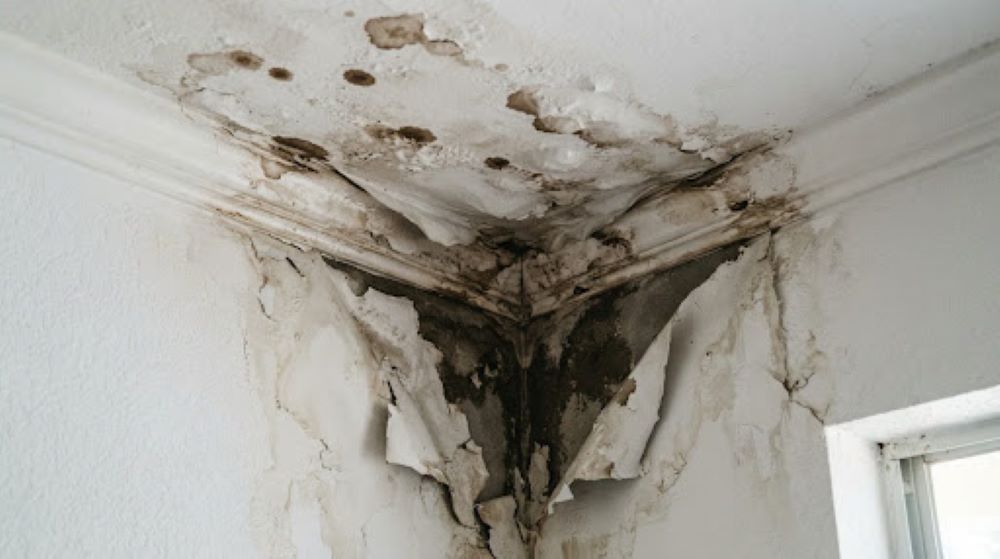
Protect Your Florida Home From Hidden Water Damage
Water damage in Florida can start small, then turn into a big headache fast. One heavy afternoon storm, a loose roof shingle, or a leaking supply line can let water into places you cannot see. In our hot, humid air, that moisture hangs around, weakens materials, and can slowly affect the structure of your home.
That is why it is so important to know where “basic cleanup and drying” ends and “true reconstruction” begins. Simple wet carpet is one thing. Wet framing, sagging ceilings, or damaged electrical work is something very different. When you live in Southwest Florida, with long rainy seasons and hurricane threats, that line matters for your safety, your budget, and your insurance claim.
At PuroClean of Marco Island, we work every day with both emergency mitigation and reconstruction. We know local inspectors, we understand local rules, and we see how fast a “small leak” can turn into a serious repair if it is ignored. In the sections below, we will walk through clear thresholds, red flags, and permit and code triggers so you can move from worry to a clear plan.
When Water Damage Stops Being Simple Cleanup
Most water mitigation jobs start with the same basic steps. A professional team will usually:
- Find and stop the source of the water
- Extract standing water from floors and surfaces
- Set up drying and dehumidification equipment
- Remove wet finishes like damaged drywall, trim, and insulation
- Clean and sanitize affected areas
When the water is clean, the area is small, and the leak is caught early, the work often stays in this “restoration only” zone. Examples include:
- A washing machine line that leaks onto one room of flooring
- A minor roof drip that is discovered right away
- A sink overflow that is stopped quickly
Things change when water is allowed to spread or sit. You move toward reconstruction when:
- Multiple rooms or levels are wet
- Materials stay wet for more than 24 to 48 hours
- You see staining, warping, or buckling of wood or other structural pieces
Water losses are often grouped by category and class. In simple terms:
- Clean water (from a supply line) is easier to dry and fix
- Gray water (lightly dirty, like from a dishwasher) needs more cleaning
- Black water (from sewage or rising water) usually means more removal and replacement
Class relates to how deeply materials are soaked. Light moisture in hard surfaces may dry without major tear-out. Heavy saturation in porous materials like drywall usually means more demolition and rebuild.
Florida heat and humidity speed up mold growth and slow down drying if not managed correctly. That is why fast, professional mitigation is so important here. A delay that might be minor in a drier state can push a Florida home over the line into a much bigger reconstruction project.
Structural and Engineering Red Flags You Cannot Ignore
Some signs after water damage are not just “ugly,” they are warnings. If you see them, you should pause and treat them as serious. Common visible red flags include:
- Sagging ceilings or visible dips in the ceiling surface
- Soft or spongy floors under your feet
- Doors or windows that suddenly stick or do not line up
- Cracks at corners of walls or where walls meet ceilings
- Rust or corrosion on metal connectors, fasteners, or framing hardware
These are clues that the structure may have absorbed more stress or moisture than it can safely handle. There are also “hidden” engineering concerns:
- Long-term moisture wicking into wall studs and framing
- Repeated roof leaks that slowly weaken trusses or fasteners
- Wind-driven rain that reaches critical connections that help your home resist storms
A licensed structural engineer should usually be involved when:
- The same area has been wet more than once
- You see obvious sagging in ceilings or walls
- Floors feel uneven or bouncy after drying
- Damage is around load-bearing walls or roof ties
A strong reconstruction project does more than make things “look nice” again. At PuroClean of Marco Island, we coordinate with engineers and local contractors so that repairs match the strength your home needs for Florida wind and storm loads, not just everyday use.
Florida Permit and Code Triggers After Water Damage
Once you cross from basic drying into real reconstruction, permits often come into play. While rules can vary by area, permits are commonly required when work includes:
- Replacing or reframing structural pieces like studs or trusses
- Significant drywall replacement across large areas of a home
- Electrical system repairs, rewiring, or panel work
- Plumbing re-pipes or moving major fixtures
- Full roof replacement or major roof deck repairs
When water damage in Florida leads to reconstruction, the Florida Building Code and local rules help decide what must be brought up to current standards. Depending on the scope, that can include things like:
- Required upgrades for certain electrical items or smoke alarms
- Roof connection improvements for better wind resistance
- Impact protection or other hurricane-related features once work reaches a set level
Some homes are also subject to “substantial damage” or “substantial improvement” thresholds. When repair work crosses those limits, extra rules can trigger, such as:
- Changes related to elevation in certain areas
- Added wind-resistance upgrades based on local wind or flood zones
This is where licensed professionals who understand local permitting and inspections make a big difference. A good team helps with documentation, clear scopes of work, and coordination with code officials and your insurance carrier so nothing important is missed.
Seasonal Storms, Insurance, and Long-Term Resilience
Late summer and early fall bring some of the heaviest storms to Southwest Florida. One storm might create a tiny stain on your ceiling. A few more storm cycles, and that same spot can become sagging drywall, wet insulation, and hidden framing damage.
Insurance companies usually want to see:
- Proof of the cause of the water damage
- Clear photos and notes from the first visit
- Moisture readings showing how far water spread
- Evidence that you acted quickly to limit further damage
- Separate, detailed estimates for mitigation and reconstruction
Being proactive helps your home stand up better over time. Helpful habits include:
- Regular roof and exterior checks before and during storm season
- Sealing around vents, pipes, and other openings when needed
- Watching ceilings and walls closely after big storms
- Asking for a moisture inspection when something feels “off,” even if you do not see clear damage
PuroClean of Marco Island offers 24/7 emergency response, careful moisture mapping, and coordinated reconstruction. Our focus is on safe drying, code-compliant repairs, and choices that support better storm resilience year after year.
Frequently Asked Questions About Water Damage and Reconstruction
How Do I Know If My Water Damage Needs Reconstruction?
If water only affected a small surface and was dried quickly, you may only need cleanup. You are more likely to need reconstruction when materials stay wet for more than a day or two, when multiple rooms are involved, or when you see sagging, warping, or soft spots. Any sign of structural movement, bad odors, or mold growth is a strong reason to get a professional assessment and plan for repairs, not just drying.
Does All Water Damage in Florida Require a Permit for Repairs?
No, not every water loss leads to permit work. Simple drying, minor trim replacement, or spot repairs often do not require permits. Once repairs touch structure, electrical, plumbing, or large areas of drywall or roofing, permits are usually needed. Using licensed professionals who know local rules helps make sure the right permits are pulled and inspections are passed.
When Should I Call a Structural Engineer After Water Damage?
You should consider calling a structural engineer when you see sagging ceilings, soft or uneven floors, new cracks at corners of walls, or doors and windows that suddenly do not close right. Repeated leaks in the same spot, or damage around load-bearing walls and roof connections, are also strong reasons. An engineer can check how the structure is performing and recommend the right level of reconstruction.
Will Insurance Cover Both Mitigation and Reconstruction?
Many homeowners policies separate mitigation and reconstruction, but both parts can be covered when the cause of loss is covered under the policy. Insurers look closely at where the water came from and how quickly you responded. Detailed documentation, moisture readings, and clear estimates that break out mitigation from rebuild work, like those prepared by a professional company, can support your claim.
How Fast Do I Need to Act After Storm-Related Water Damage?
You should act as quickly as possible, ideally within the first 24 to 48 hours. In Florida’s humid climate, waiting longer can lead to mold growth, deeper saturation, and more materials that need to be removed and replaced. A 24/7 response team can start drying, document the damage, and help keep a smaller mitigation job from turning into a major reconstruction project.
Protect Your Property From Costly Water Damage Today
If you are facing water damage in Florida, our team at PuroClean of Marco Island is ready to respond quickly and help prevent further harm to your home or business. We use professional equipment and proven techniques to dry, clean, and restore affected areas as efficiently as possible. Reach out to us now so we can assess the damage and start returning your property to normal. If you have questions or need immediate help, please contact us today.