 PuroClean of McLean and West Falls Church
When families first think about clearing a severely cluttered home, the biggest worry is often not the mess; it’s fear. Fear of exposure. Fear of judgment. Fear that the situation will spiral out of control or become unsafe. These concerns are valid. Hoarding situations are deeply personal, and cleanup involves entering someone’s private space during a vulnerable time. This is where confidential hoarding cleanup becomes essential, ensuring privacy is protected while the work is handled with care.
In this blog, we take a closer look at what confidentiality and safety truly mean in hoarding cleanup, how professionals protect both people and spaces, and what families should realistically expect at each stage of the process. Understanding what happens behind the scenes helps families feel more prepared, reassured, and confident about taking the next step.
Why Confidentiality and Safety Matter in Hoarding Cleanup
Confidentiality and safety are not optional extras in cleanup for hoarding situations; they form the foundation of responsible service. These environments often involve private belongings, sensitive documents, and health risks that cannot be handled casually.
Without clear privacy standards and safety protocols, cleanup can unintentionally cause emotional distress or physical harm. That’s why families should understand how professional teams approach these two areas before making any decisions.
What Confidentiality Means During Hoarding Cleanup
Confidentiality in hoarding cleanup refers to how personal information, living conditions, and family details are handled throughout the process. Reputable teams treat the home and everything inside it as private, ensuring nothing is shared, photographed, or discussed without consent. This approach is central to confidential hoarding cleanup, especially when families want support without public attention or community exposure.
How Personal Information Is Protected
Cleanup teams may come across documents, medications, financial records, or deeply personal items. These are not cataloged or removed without direction. Instead, clear boundaries are set from the start, so families know what will be handled, what will be set aside, and what will remain untouched. This structured approach supports confidential hoarding cleanup while maintaining trust throughout the process.
Discreet Scheduling and Unmarked Services
Many families worry about neighbors noticing unusual activities. Discretion addresses this concern directly. Cleanup visits are often scheduled thoughtfully, with low-profile arrivals and minimal noise. Vehicles and equipment are kept as unobtrusive as possible, aligning with the expectations families have when choosing confidential hoarding cleanup for their loved ones.
Respectful Communication with Families
Privacy also extends to language and communication. Professionals are trained to speak carefully, avoiding labels or assumptions. Updates are shared only with authorized family members, and discussions happen privately rather than in shared or visible spaces. This consistent respect helps reduce stress during what can already feel overwhelming.
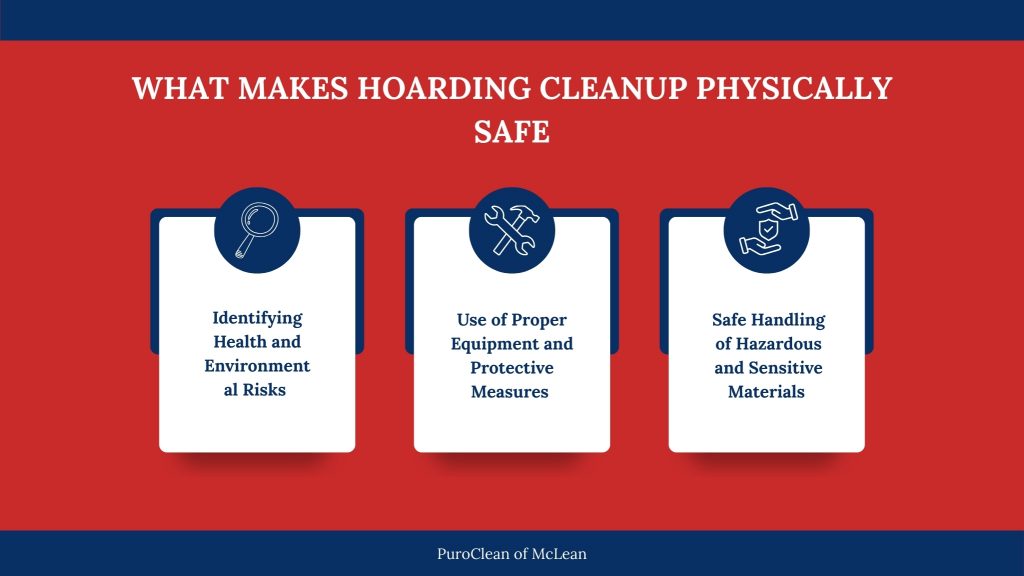
What Makes Hoarding Cleanup Physically Safe
Safety in cleanup for hoarding situations focuses on protecting everyone involved from health risks commonly found in cluttered environments. These risks can include mold, pests, sharp objects, and compromised structural areas. In many cases, confidential hoarding cleanup ensures these hazards are addressed without drawing unnecessary attention to the household or compromising privacy.
According to the American Psychiatric Association, hoarding disorder affects an estimated 2.6% of the population, with prevalence increasing with age. It is more commonly observed among older adults, where accumulated belongings over time can lead to living conditions that pose serious health and safety concerns.
Identifying Health and Environmental Risks
Before any cleanup begins, teams assess the environment to identify hazards. This includes checking air quality, pathways, and areas where contamination may exist. This evaluation helps determine how safe hoarding cleanup services should be structured and which precautions are necessary from the start.
Use of Proper Equipment and Protective Measures
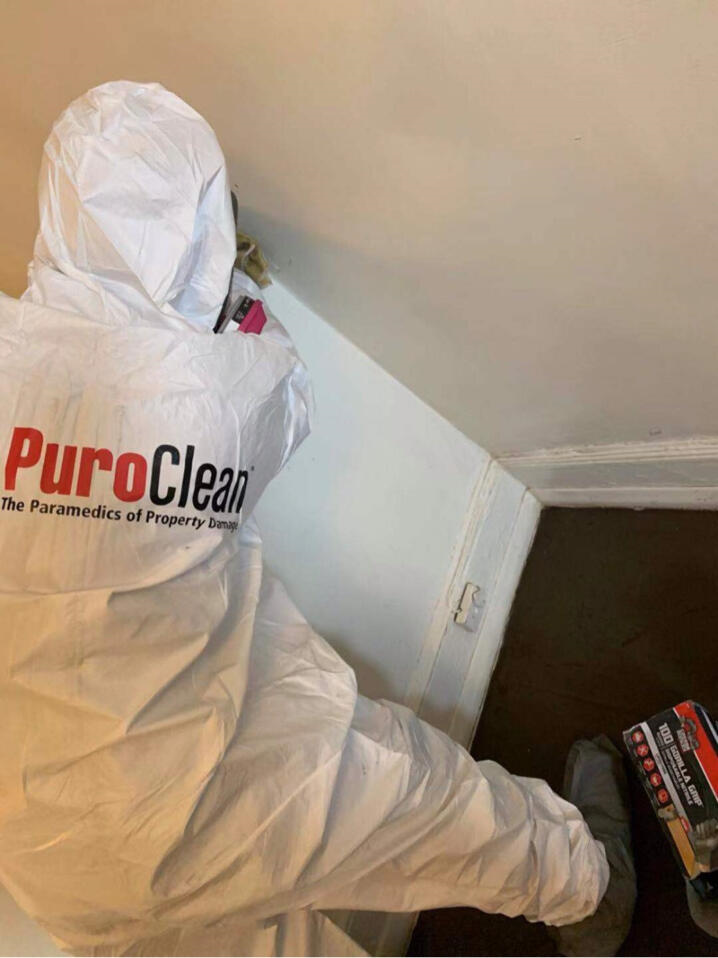
Safety protocols include protective clothing, masks, gloves, and specialized tools designed for contaminated spaces. These measures protect both the cleanup crew and household members. Families often feel reassured knowing that safe hoarding cleanup services follow defined procedures rather than improvised solutions.
Safe Handling of Hazardous and Sensitive Materials
Some items require careful handling, such as spoiled food, animal waste, or damaged materials. These are removed using regulated disposal methods to prevent exposure or spread. When done correctly, safe hoarding cleanup services reduce risks without creating additional disruption inside the home.
What the Cleanup Process Typically Involves
Cleanup for hoarding situations is not a one-size-fits-all task. The process is structured but flexible, allowing families to move at a manageable pace. For many households, confidential hoarding cleanup provides a clear framework that protects privacy while adapting to individual needs. Understanding what happens at each stage helps reduce uncertainty and sets realistic expectations.
Initial Assessment and Planning
The first step focuses on understanding the scope of the situation. Teams assess clutter levels, safety concerns, and family priorities. Research from the National Institutes of Health highlights personalized interventions for at-risk hoarders, including safety risk evaluations and community support to avoid eviction while addressing clutter systematically. This planning phase ensures confidential hoarding cleanup proceeds with clarity rather than rushed decisions.
Step-by-Step Cleanup Without Overwhelm
Cleanup is broken into phases, often starting with clear pathways and essential areas. This approach prevents emotional overload and allows progress to feel steady rather than abrupt. Throughout this stage, safe hoarding cleanup services prioritize both physical safety and emotional stability.
Final Checks and Space Stabilization
Completion does not simply mean removal. Final checks ensure areas are usable, safe, and properly cleaned. Families are walked through the results so they understand what was done and what ongoing steps may help maintain the space.
What Families Should Expect from Professional Cleanup Teams
Knowing what to expect from professionals can ease anxiety and help families feel supported rather than judged. Cleanup teams operate within defined roles, offering structure without crossing personal boundaries. For families unsure about timing, our blog on signs to call a hoarding cleanup service offers helpful guidance on when professional support may be needed.
Trained Staff and Clear Boundaries
Staff are trained to manage complex environments while respecting personal limits. They do not pressure individuals or make unilateral decisions. This consistency supports confidential hoarding cleanup by keeping control in the family’s hands.
Transparency Around Process and Costs
Families are informed about timelines, pricing, and scope before work begins. There are no surprise changes in mid-process. This openness builds trust and reinforces why safe hoarding cleanup services are a reliable option for long-term solutions.
Emotional Awareness Without Therapy
Cleanup professionals are not therapists, but they are trained to recognize emotional sensitivity. Their role is to provide practical support while remaining calm and patient, which often makes the experience less intimidating for everyone involved.
Conclusion
Hoarding-related cleanups can feel intimidating, but understanding what confidentiality and safety truly mean changes the conversation. When handled correctly, the process protects privacy, reduces health risks, and creates space for positive change without unnecessary exposure. Choosing confidential hoarding cleanup supported by safe hoarding cleanup services allows families to focus on support and progress rather than fear or uncertainty.
FAQs
Q1. Will neighbors or outsiders know a cleanup related to hoarding is happening?
A: In most cases, no. Teams use discreet scheduling and low-profile methods to keep the process private and avoid drawing attention.
Q2. Is it safe to stay in the home during the cleanup?
A: This depends on the level of risk identified during assessment. Professionals will guide families when it is safe to remain present.
Q3. How do professionals handle items with personal or emotional value?
A: Items are not removed without direction. Families are involved in decisions, so important belongings are respected and preserved.


 PuroClean of McLean and West Falls Church