 PuroClean of McLean and West Falls Church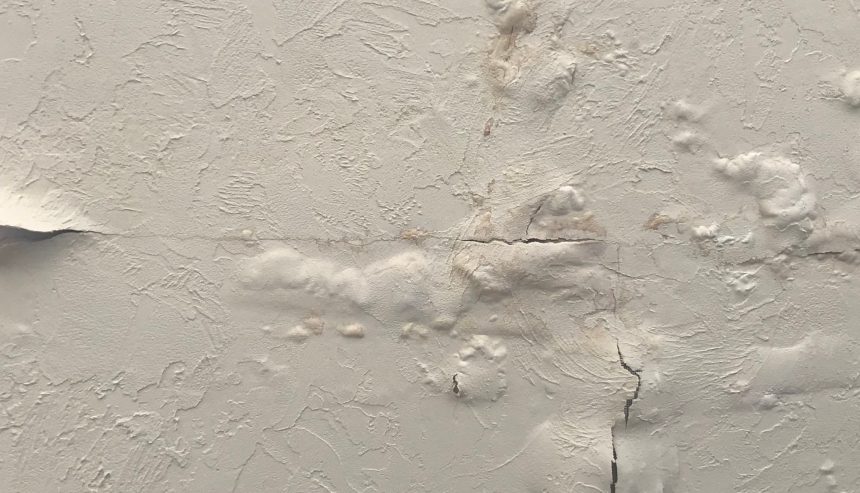
Water can creep in quietly, often going unnoticed until it has already caused significant structural harm or fostered unhealthy living conditions. Whether it starts from a slow pipe leak, a roof crack, or poor basement drainage, the longer it goes undetected, the more extensive and expensive the repairs become. Beyond physical damage, water issues can invite mold growth, compromise your home’s foundation, and even lower your property value.
For McLean homeowners, where seasonal weather changes and older home infrastructure are common, recognizing the early signs of water damage is essential to maintaining a safe and healthy living environment. Unfortunately, many of these signs are subtle, making them easy to miss without proper knowledge or vigilance. In this article, we’ll walk you through the most overlooked indicators and show you how to spot them early with or without the help of a professional water damage detection McLean specialist.
Why Early Detection Matters
Even small, early signs of water damage like faint wall stains, peeling paint, musty odors, or slightly warped flooring shouldn’t be ignored. What seems minor can be the first indicator of a much larger hidden issue.
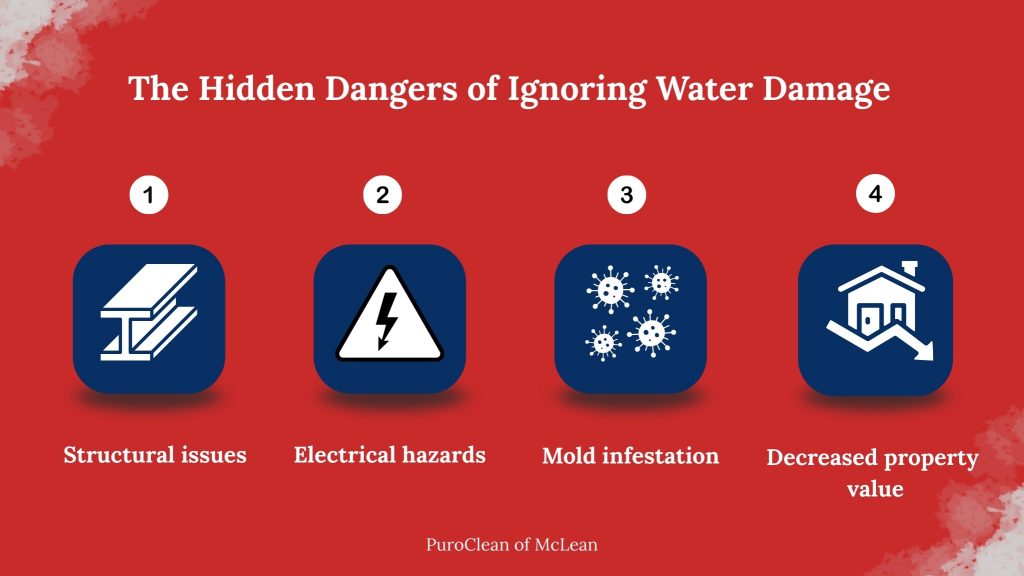
Overlooking these subtle clues can lead to:
- Structural issues – Continuous moisture can weaken wood framing, drywall, and even concrete over time.
- Electrical hazards – Water intrusion near wiring or outlets increases the risk of short circuits and fire.
- Mold infestation – Damp, untreated areas become breeding grounds for mold within as little as 24–48 hours.
- Decreased property value – Visible damage, persistent odors, and mold concerns can make it harder to sell your home or lower its market price.
That’s why many McLean homeowners rely on professionals. Using advanced tools like thermal imaging cameras, moisture meters, and leak detection systems, they can pinpoint the source and extent of moisture problems early, before they escalate into costly repairs.
9 Subtle Signs Your Home Might Have Water Damage
Water issues don’t always start with a burst pipe or flooding. In fact, some of the earliest indicators are easy to miss until they become major issues. Below are nine often-overlooked early signs of water damage that every McLean homeowner should be aware of, and why early detection is key to preventing costly repairs.
1. Musty Odors: A Red Flag in Disguise
If a certain room in your home has a persistent musty or damp smell, this could be one of the most common early signs of water damage. Even in the absence of visible mold, odors often precede visible symptoms.
Professional water damage detection McLean experts often use thermal imaging or moisture meters to trace the source of the smell, which can hide behind walls, under carpets, or inside HVAC systems.
2. Discoloration on Walls and Ceilings
Brownish, yellow, or copper-colored stains on walls or ceilings are telltale signs of a leak. These discolorations may start small but grow over time. Homeowners in McLean often dismiss these as cosmetic issues, but they’re frequently one of the early signs of water damage.
3. Peeling or Bubbling Paint
Is your paint bubbling, flaking, or peeling off the walls? It might not be a painting mishap — it could be a hidden leak. This symptom is a direct result of moisture buildup behind walls and is a reliable early sign of water damage.
4. Warped Floors and Ceilings
If you notice your flooring starting to warp, buckle, or develop soft spots, it’s important to address the issue right away. Wood floors absorb water and expand, causing uneven surfaces. Similarly, a sagging ceiling is a dangerous sign of long-term moisture exposure.
With the help of this sign, you can pinpoint the affected areas early before structural integrity is compromised.
5. Mold or Mildew Growth
Mold is not just an aesthetic or odor issue; it’s a serious health hazard. Mold thrives in moist environments and can appear within 24–48 hours of water exposure. McLean homeowners should pay close attention to window corners, basements, and under sinks for this early sign of water damage.
The EPA stresses that controlling moisture is essential to preventing mold, which makes early water damage detection services in McLean especially important.
6. Unexpected Increase in Water Bills
If your monthly water bill suddenly spikes without any explanation, it could be due to an undetected leak. Internal pipe leaks are notorious for being one of the most overlooked early signs of water damage.
7. Cracking or Bubbling Drywall
Drywall is highly susceptible to water. If you notice cracks or if it feels soft to the touch, it’s time to investigate. Ignoring this can lead to more extensive and expensive restoration work.
A licensed water damage detection specialist, McLean, can assess the damage using moisture detection technology and infrared scanning.
8. Condensation on Windows or Walls
Excess condensation indoors can indicate high humidity, often linked to hidden leaks or insufficient ventilation. This condition fosters mold growth and is another overlooked early sign of water damage in McLean homes.
9. Unusual Sounds: Drips, Creaks, or Water Running
You may not see water, but hearing it is just as concerning. If you hear dripping or the sound of running water in pipes, even when taps are off, it’s time for a water damage detection McLean check-up. These subtle audio cues are often one of the few warning signs before more severe damage sets in.
What to Do If You Find Water Damage
If you notice early signs of water intrusion, such as discoloration on walls or ceilings, a musty smell, bubbling paint, or warped floors, the first step is to act quickly to stop the source. Shut off the main water supply if you suspect a plumbing leak, and if the damage comes from outside, like roof or foundation cracks, take temporary measures to block incoming water. Move furniture and valuables away from the affected area to prevent further damage, and ensure the space is well-ventilated to slow moisture buildup. Document the damage with photos and notes, as this will be useful for insurance claims.
Next, contact a qualified water damage restoration professional to assess the extent of the issue. Professionals use tools like moisture meters and thermal imaging to locate hidden water pockets that may not be visible to the naked eye. They can also safely handle drying, mold prevention, and necessary repairs to restore your home’s integrity. Avoid attempting extensive cleanup on your own, especially if mold or electrical systems are involved, as this can pose serious health and safety risks. Acting fast not only prevents damage from spreading but can also save you thousands in potential repairs.
Conclusion
Recognizing the early signs of water damage can save you from expensive repairs and major structural issues down the line. Small indicators like wall discoloration, unusual odors, or unexpected spikes in your water bill shouldn’t be ignored; they’re often the first warnings of a bigger problem.
If you notice anything unusual, don’t take chances. Reach out to a trusted water damage restoration agency for a professional assessment. Early detection is the key to keeping your home safe, dry, and protected for years to come.
If you found this article helpful, consider sharing it with other McLean homeowners who might not be aware of these hidden risks. Early action saves money and protects your home.
FAQs
Q1. What are the most common early signs of water damage in a home?
A: Common early signs of moisture damage include musty odors, discoloration on walls or ceilings, peeling paint, and unexpected spikes in your water bill.
Q2. How can I detect hidden water damage in my McLean home?
A: Detecting hidden moisture damage often requires more than just a visual inspection. Professionals use advanced tools like thermal imaging cameras and moisture meters to locate leaks behind walls, under flooring, or in ceilings before they cause major damage.
Q3. Is water damage covered by homeowners’ insurance in McLean?
A: It depends on the cause of the damage. Most standard homeowners’ insurance policies in McLean cover sudden or accidental water issues, but not gradual damage due to neglect or unresolved maintenance issues.


 PuroClean of McLean and West Falls Church