


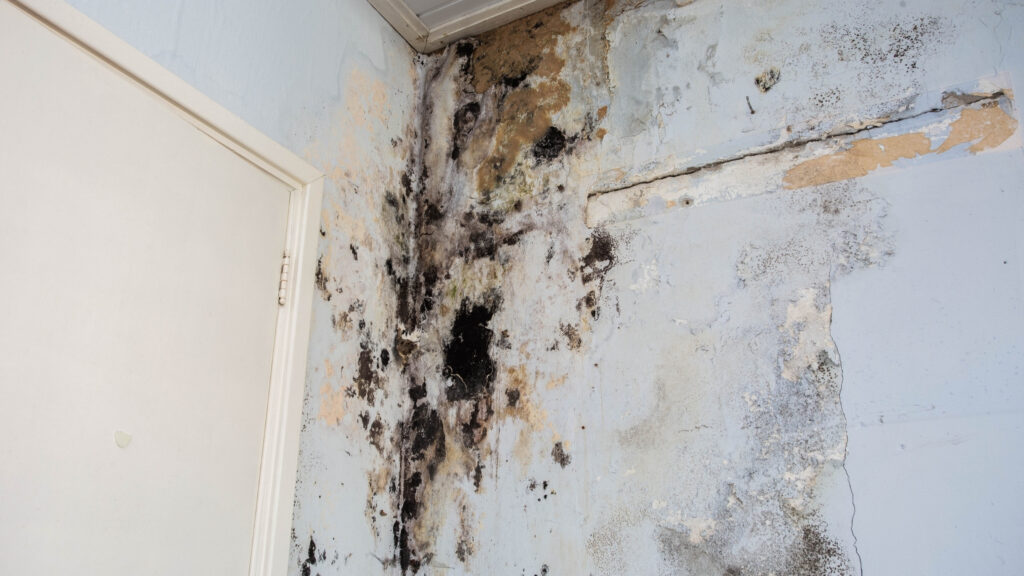
Ever noticed a strange smell or a sudden wall stain after a storm? Water intrusion often starts quietly, behind walls, under floors, or around windows, causing damage long before it becomes visible. If not addressed in time, it can lead to costly repairs, structural issues, and mold-related health problems.
It’s not just basements at risk; areas around roofs, bathrooms, kitchens, and old plumbing are common trouble spots. This blog will help McLean homeowners recognize the early signs of water damage before minor issues turn into major ones.
What is Water Damage?
It occurs when water infiltrates or accumulates in your home, causing harm that can range from minor to severe. Understanding the common causes and potential consequences helps homeowners act quickly.
Typical origins of water intrusion include plumbing leaks, burst pipes, roof or window leaks, malfunctioning appliances, clogged gutters, and elevated indoor humidity levels. McLean’s seasonal rainstorms and older colonial homes often make hidden leaks common, especially around basements, attics, and ageing pipe systems.
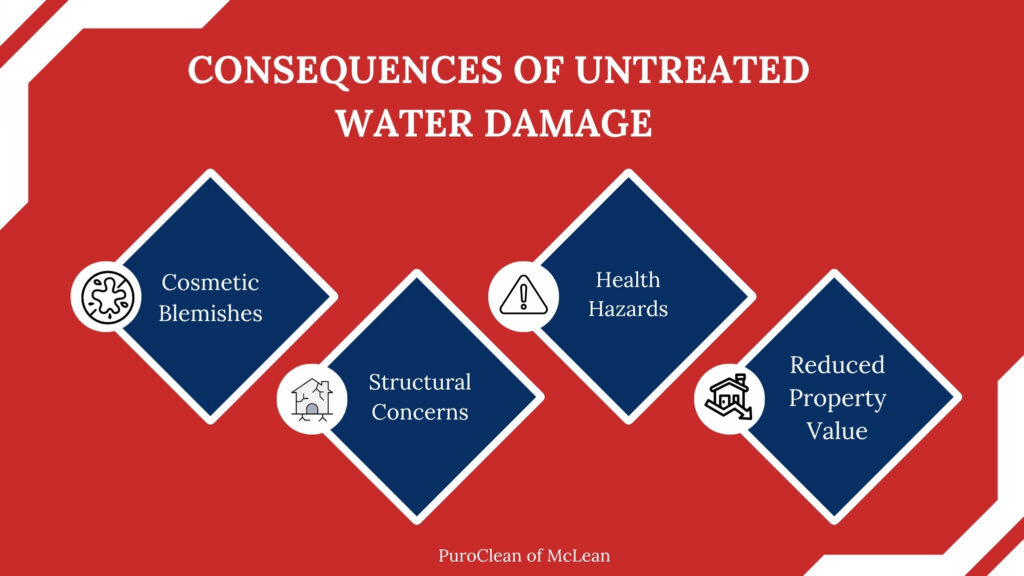
Consequences of Untreated Water Damage
When water damage is left untreated, it doesn’t simply stay in one place; it spreads, deteriorates materials, and paves the way for far more serious problems.
- Cosmetic Blemishes: These unsightly surface issues can make a home look neglected or poorly maintained. While they may seem minor, they often signal ongoing moisture problems beneath the surface. If ignored, the damage can worsen over time, leading to more costly repairs and making a poor impression on visitors, tenants, or potential buyers.
- Structural Concerns: Prolonged exposure to moisture weakens the structural integrity of a building. Rotting wood and softened supports can create dangerous conditions, such as uneven floors or sagging ceilings.
- Health Hazards: Damp or humid conditions create an ideal environment for mold to grow. Inhaling mold spores can lead to allergic reactions, aggravate asthma symptoms, and potentially result in respiratory illnesses.
- Reduced Property Value: Visible water damage, signs of mold, or structural issues can significantly reduce your property’s value. Homebuyers are likely to walk away or offer far less if they suspect major repairs are needed.
Early Signs of Water Damage
Water damage rarely shows up all at once. It often starts in hidden corners, beneath flooring, behind walls, or above ceilings, slowly worsening over time. Whether from a small pipe leak, roof vulnerability, or appliance failure, early detection is the best way to avoid major repairs and protect your home’s structure. It affects around 14,000 people in the US every single day. That’s more than just a number; it’s a reminder of how common and costly water damage can be if left unattended.
Visible Signs
The earliest clues often appear on the surfaces you see every day, if you know what to look for.
- Discoloration or Staining: Brown or yellow spots on ceilings, walls, or floors, especially below bathrooms or under roofs, are common warning signs.
- Peeling, Cracking, or Bubbling Paint or Wallpaper: Moisture behind the surface causes paint and wallpaper to lose adhesion. Watch for bubbling or flaking around windows, sinks, and tubs.
- Warped or Sagging Floors, Walls, or Ceilings: Sudden changes in flatness may signal moisture soaking subfloors or joists. Warped floorboards or spongy feeling carpet are red flags.
- Musty Odors: A persistent earthy or dank smell, even when no puddles are visible, often points to hidden leaks, soaked wood, or growing mold colonies.
Hidden Signs
These issues often first reveal itself in familiar places around your home, recognizing these subtle hints early can save you from bigger problems down the line.
- Increased Water Bills or Usage: A sudden, unexplained spike could suggest a hidden leak in a wall, beneath a slab, or in rarely used pipes.
- Sounds of Dripping or Running Water: If you hear faint water noises without clear sources, investigate immediately; some leaks remain out of sight for months.
- Mold or Mildew Growth: Mold can grow behind walls, under flooring, or in poorly ventilated spaces. Even small splotches of green or black could indicate a much larger moisture issue.
- Dampness in Basements or Crawl Spaces: Unexpectedly moist areas, condensation on pipes, or puddles during dry seasons should not be ignored.
Identifying the Source
Tracking down water intrusion early reduces harm dramatically:
- Inspect Plumbing Fixtures and Appliances: Check under sinks, around toilets, behind washing machines, dishwashers, and water heaters for drips, rust, or obvious wetness.
- Examine Doors, Windows, and Roofs: Discoloration, softness, or rot around frames can signal improper sealing or flashing, letting rain seep inside.
- Look for Exterior Entry Points: Foundation cracks, missing caulk, damaged gutters, or gaps along the exterior can allow water in, especially during storms or snowmelt.
What To Do if Damage is Found
Acting quickly when you spot any early signs of water damage can dramatically reduce repair costs and prevent long-term problems:
- Stop the Source: If possible, turn off the water at the main valve or appliance to halt leaks. When the source is external, use tarps or temporary barriers to redirect rainwater and limit further intrusion.
- Dry the Area: Open windows and doors to create ventilation and use fans or dehumidifiers to remove moisture from affected spaces. Prompt drying reduces the risk of mold and helps protect the structure.
- Remove Damaged Materials: Safely discard water-soaked carpets, insulation, and drywall. Quick removal minimizes the chance for mold growth and prevents additional structural weakening.
- Document Everything: Take clear photos or videos of damage and affected belongings before repairs begin. Keep detailed notes for your insurance company or future reference.
- Call Professionals: Contact certified restoration experts for safe, thorough repairs. Prompt water damage detection McLean helps speed up your recovery process.
Conclusion
Staying alert to the subtle clues of developing moisture issues helps McLean homeowners stay ahead of costly repairs and preserve their property’s value. Regularly check for the early signs of water damage, especially after storms, plumbing work, or seasonal changes.
Early detection is the key to minimizing the extent of repairs and protecting your family’s health. Swift action often makes the difference between a minor issue and a major, costly restoration.
If damage is discovered, understanding what to expect can help you act quickly. This comprehensive guide to water damage restoration services outlines the typical steps involved, from initial assessment to repair and recovery.
FAQs
Q1: How can I prevent water damage in my home?
A: Maintain plumbing and appliances, clean gutters, inspect caulking, and fix roof issues promptly. Regularly check for leaks and monitor water bills for unexpected spikes.
Q2: Is a musty odor always a sign of water damage?
A: While not all musty odors indicate water damage, persistent smells often point to hidden leaks or mold. If you notice musty smells, investigate potential water sources right away.
Q3: When should I seek professional help for water damage?
A: Call an expert if you see visible mold, active leaks, repeated staining, warped materials, or high humidity you can’t control. Immediate response limits damage and health risks.
Q4: Does insurance always cover water damage repair?
A: Coverage varies. Sudden, accidental leaks are often covered, but slow leaks due to neglect might not be. Check your policy details and document damage as soon as it’s discovered.