 PuroClean of McLean and West Falls Church
Water damage rarely announces itself in dramatic ways. More often, it starts quietly; a slow drip behind a wall, moisture seeping into a basement corner, or dampness that never fully dries after heavy rain. At first, the home still looks fine. Floors feel solid. Walls seem unchanged. Life goes on.
The real issue is what happens over time. When moisture is allowed to linger, it doesn’t stay in one place. It moves, spreads, and settles into materials that were never meant to stay wet. Months turn into years, and what once felt like a minor inconvenience becomes a deeper structural concern. This is how untreated water damage begins to reshape a home from the inside out.
For homeowners in McLean, where soil conditions, aging properties, and seasonal weather patterns intersect, these changes tend to accelerate in ways that aren’t always obvious from the surface. Understanding what happens next is key to recognizing why unresolved moisture problems should never be treated as harmless or temporary.
How Ongoing Moisture Changes a Home Over Time
Water behaves differently once it enters a built structure. Instead of evaporating evenly, it follows gravity, pressure, and porous materials. Wood absorbs it. Drywall holds it. Insulation traps it. Over time, untreated water damage alters how these materials perform, even when no visible stains or standing water remain.
According to the Insurance Information Institute, about 5.3 percent of insured homes had a homeowners insurance claim in 2023. A significant share of these claims stemmed from water-related problems that tend to build slowly, making them harder to detect early.
The longer moisture remains present, the more it reshapes a home’s internal environment. Structural materials begin to weaken, biological growth becomes more likely, and the building responds differently to everyday use and seasonal stress. These changes often occur quietly, making long-term moisture exposure especially difficult to recognize early.
Long-Term Effects of Untreated Water Damage
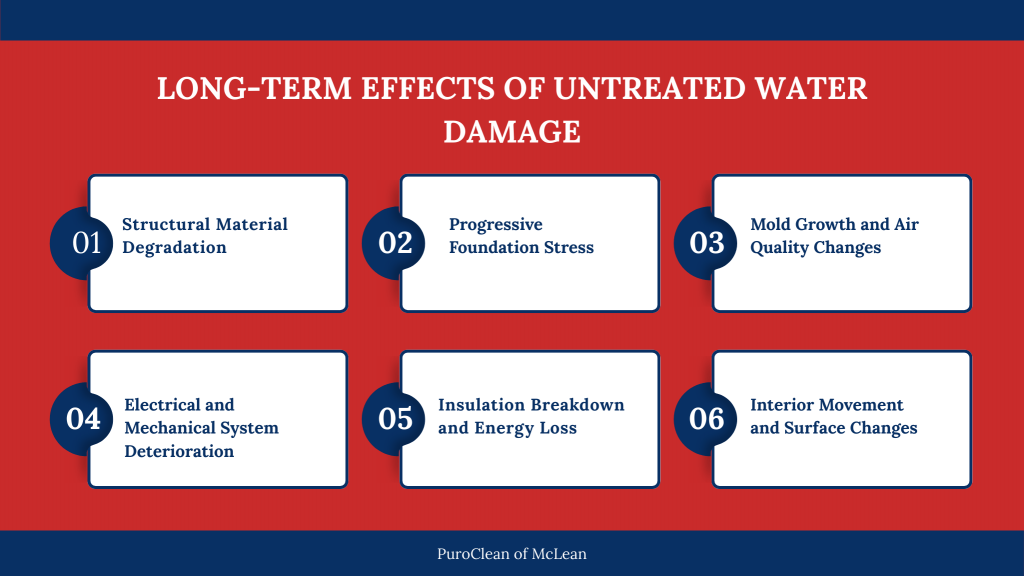
When water issues are left unresolved, the effects compound rather than stabilize. The damage rarely stays isolated, and the passage of time becomes the most damaging factor of all. Untreated water damage often leads to changes that affect safety, comfort, and long-term stability, even if the source seems minor. Below are the most common long-term effects, each developing gradually and often out of sight.
Structural Material Degradation
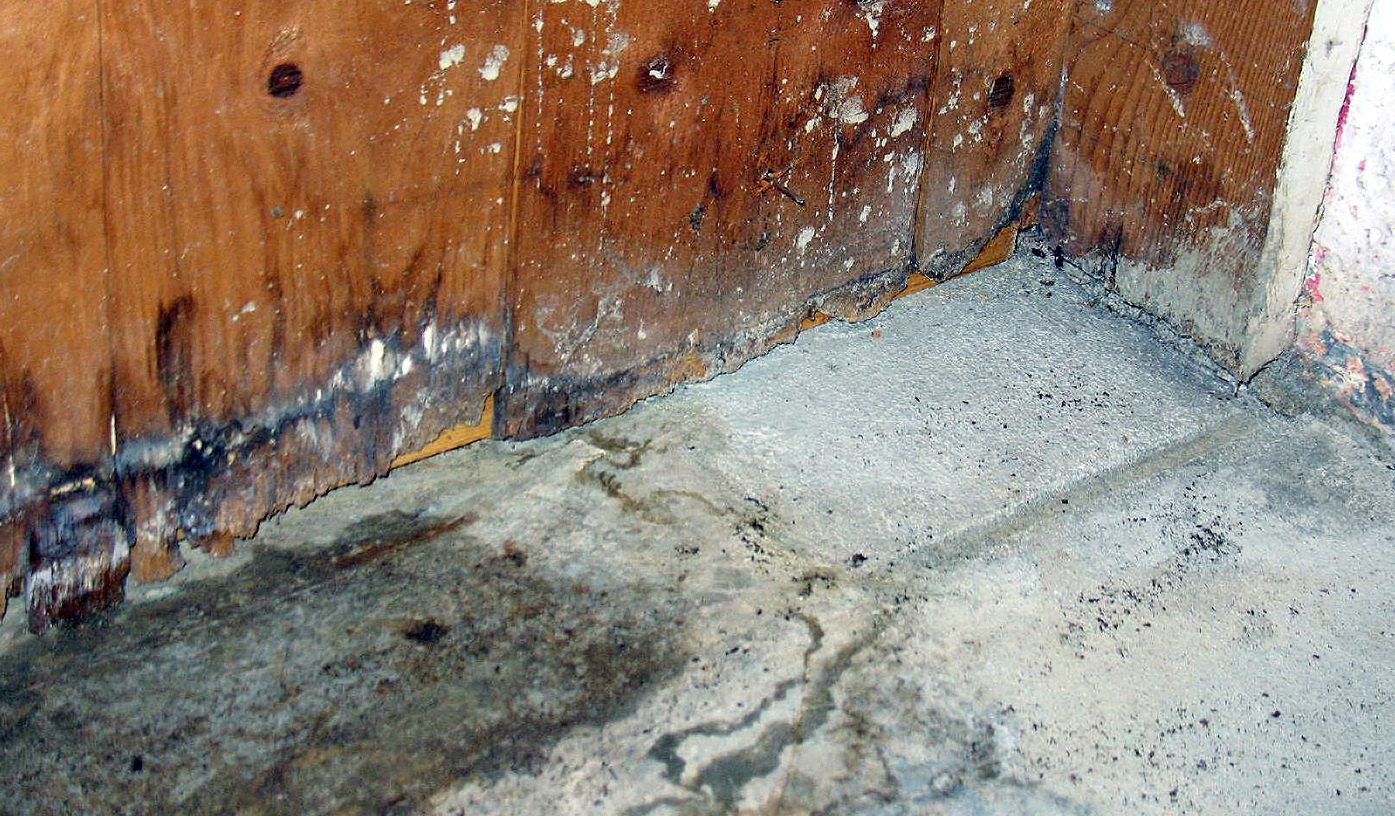
Wood framing, subfloors, and support beams are especially vulnerable to long-term moisture exposure. As water is absorbed, wood fibers swell, soften, and lose strength.
Over time, this reduces load-bearing capacity and increases the risk of sagging floors or weakened wall systems, particularly when untreated water damage continues beneath the surface. Even engineered materials are not immune. Prolonged dampness can cause adhesives to fail and layered products to separate internally.
Progressive Foundation Stress
Persistent moisture around a home’s base changes how soil behaves. When soil becomes saturated, it expands and exerts pressure against foundation walls. During dry periods, that same soil contracts, creating cycles of movement.
This is how foundation water damage develops; not suddenly, but through repeated stress that leads to cracking, shifting, and long-term instability. The damage often begins below grade, where it remains unseen until symptoms emerge indoors.
Mold Growth and Air Quality Changes
Mold requires moisture, organic material, and time. Once those conditions exist, growth can spread beyond visible surfaces into wall cavities and insulation. The Environmental Protection Agency (EPA) notes that mold can begin developing within 24 to 48 hours of moisture exposure if conditions persist.
Long-term mold presence affects indoor air quality, increases musty odors, and creates ongoing maintenance challenges that are difficult to resolve without addressing the moisture source.
Electrical and Mechanical System Deterioration
Water and electricity are a dangerous combination, but the risks are not always immediate. Moisture can corrode wiring insulation, outlets, and breaker panels slowly over time. This increases the likelihood of system failure or electrical hazards years after the original exposure, especially in homes where moisture originates from lower levels.
HVAC components and ductwork may also suffer, particularly when condensation combines with hidden dampness inside walls or ceilings. In properties affected by foundation water damage, this type of moisture intrusion often travels upward, quietly impacting mechanical systems far beyond the original entry point.
Insulation Breakdown and Energy Loss
When insulation becomes damp, it no longer performs as intended. Moisture causes materials to compress, shift, and lose their ability to regulate indoor temperatures effectively. As a result, heat escapes more easily in colder months, and cooled air dissipates faster during warmer periods.
Over time, this inefficiency shows up in uneven room temperatures, rising energy use, and increased strain on heating and cooling systems. The home works harder to maintain comfort, even though the underlying issue is not the equipment itself but the compromised insulation hidden within walls, floors, or ceilings.
Interior Movement and Surface Changes
As materials shift, homeowners may notice doors sticking, cracks forming in drywall, or floors becoming uneven. These changes are often mistaken for normal settling, but they frequently trace back to long-term moisture exposure, altering how the structure responds to weight and movement.
In many cases, these visible shifts are early interior signs of underlying foundation water damage rather than simple cosmetic aging. For a closer look at how these warning signs show up behind finished surfaces, you can refer to our guide on detecting hidden water damage in McLean homes explains what to watch for before it spreads.
Why These Effects Progress Differently in McLean Homes
Not all homes experience water-related deterioration at the same pace. In McLean, several local factors influence how quickly damage develops. Many homes are built on clay-heavy soil, which expands significantly when wet and shrinks during dry periods. This constant movement places additional stress on foundations already affected by moisture. Older properties may also feature construction materials or drainage systems that were not designed to handle today’s rainfall patterns.
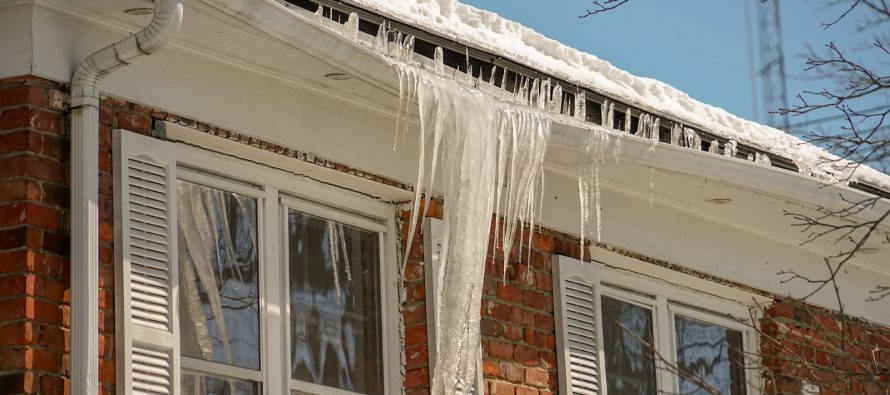
As a result, foundation water damage in McLean often advances unevenly, with some areas of a home showing signs earlier than others. Seasonal weather fluctuations further compound the issue. Freeze-thaw cycles, heavy spring rains, and humid summers all contribute to prolonged moisture retention around and beneath homes.
Conclusion
Water damage is rarely static. When left unresolved, it evolves, spreads, and reshapes a home from the inside out. The long-term effects are not limited to visible stains or surface repairs but extend into structural integrity, system reliability, and indoor conditions.
Understanding how untreated water damage progresses helps homeowners recognize why early awareness matters. In McLean homes, especially, where soil behavior and construction styles intersect, long-term moisture exposure can quietly contribute to foundation water damage that grows more complex and harder to address with time.
FAQs
Q1. How long can water damage remain hidden in a home?
A: Water-related damage can remain concealed for months or even years, especially when it spreads behind walls, under flooring, or beneath foundations.
Q2. Does every moisture issue lead to foundation problems?
A: Not all moisture exposure causes structural damage, but repeated or prolonged exposure significantly increases the risk over time.
Q3. Why do symptoms often appear long after the initial leak?
A: Many materials degrade gradually, so visible signs often emerge only after internal weakening has already occurred.

 PuroClean of McLean and West Falls Church