 PuroClean of McLean and West Falls Church
Humidity is a silent intruder that thrives when the seasons shift. In McLean, where warm summers, cool winters, and rainy springs define the year, homeowners often face an invisible challenge: moisture buildup. That excess dampness inside walls, basements, or attics creates a perfect environment for mold to grow.
Understanding how the region’s changing weather patterns affect indoor air and surfaces can help you prevent long-term damage to your home and your health caused by humidity and mold.
Understanding McLean’s Seasonal Climate and Its Hidden Impact
McLean’s climate brings a mix of high humidity in summer, chilly air in winter, and frequent rain in spring. While the area’s lush greenery benefits from this weather, homes can suffer. When outside humidity rises, indoor moisture levels follow, especially if ventilation is poor or insulation is outdated. Over time, condensation forms on cool surfaces, seeping into materials like drywall, carpeting, or wood.
This gradual buildup encourages humidity and mold to thrive in enclosed areas. Once spores find moisture, they spread rapidly, often unnoticed until stains or musty odors appear. McLean’s homeowners, therefore, face a cycle where every season carries a new moisture-related challenge, contributing to seasonal mold growth that can linger for months if untreated.
Why Humidity Becomes a Mold Magnet Indoors
When indoor moisture levels go unchecked, mold takes advantage. Even a clean, well-kept home can fall victim if excess dampness lingers.
Why does it happen:
- Poor air circulation traps moist air in basements, bathrooms, or kitchens.
- Condensation forms on windows and walls when indoor air meets cooler surfaces.
- Leaky roofs, plumbing issues, or clogged gutters let water seep into walls or flooring.
- Drying clothes indoors raises humidity levels, especially in small spaces.
- Overuse of humidifiers during winter increases moisture beyond safe limits.
When these conditions combine, they create a silent but thriving environment for humidity and mold. Monitoring these small details helps reduce long-term risks and maintain indoor comfort throughout changing seasons.
How Seasonal Changes in McLean Intensify Mold Growth
Seasonal shifts bring unique moisture challenges. McLean’s climate swings, from humid summers to damp springs, encourage recurring mold activity indoors. Each season contributes in its own way to the cycle of seasonal mold growth.
These fluctuations don’t just affect comfort; they influence how air moves and moisture settles inside homes. As the outdoor climate changes, building materials like wood and drywall expand and contract, trapping dampness that fuels humidity and mold over time.
Spring: Rising Humidity and Rain-Soaked Air
Spring showers and warming temperatures introduce moisture to both the soil and indoor spaces. Rainwater seeps through foundation cracks, while humid outdoor air enters through open windows. Without proper ventilation, basements and crawl spaces stay damp long after the rain stops. For more on how flooding or leaks can worsen mold issues, read our guide on mold after water damage to learn what McLean residents should know.
Summer: The Perfect Storm for Humidity and Mold
McLean summers are hot and sticky. Air conditioning systems cool the air, but can’t always remove enough moisture. When warm air meets cold surfaces, condensation forms, especially around vents, walls, and pipes. During these months, humidity and mold feed off each other, spreading fast through insulation, carpets, and upholstery.
Autumn: Trapped Moisture in Cooler Air
As temperatures drop, windows close, and ventilation decreases. Any leftover summer moisture becomes trapped indoors. Combined with falling leaves that clog gutters and restrict drainage, this creates damp conditions around exterior walls and roofs, making autumn a quiet but potent time for seasonal mold growth inside homes.
Winter: Indoor Heat and Hidden Moisture
Even in colder months, mold can survive. Running heaters and using humidifiers make indoor air warm and moist. Steam from cooking or showers also adds to the humidity. If areas like attics or corners lack airflow, condensation settles there, fueling slow but steady seasonal mold growth and increasing the potential for hidden humidity and mold problems.
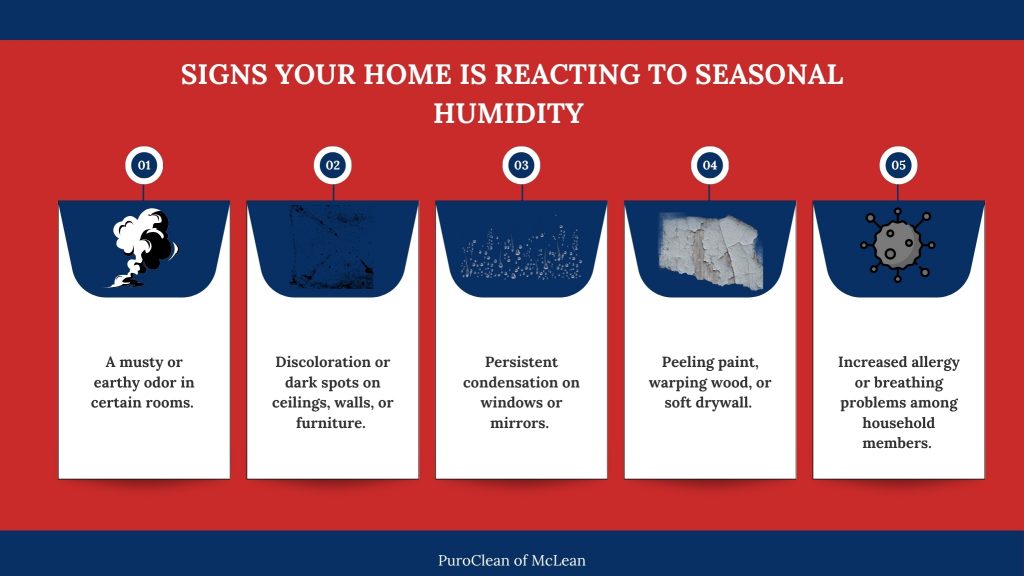
Signs Your Home Is Reacting to Seasonal Humidity
Humidity issues rarely appear all at once. Instead, subtle signs begin to show before a full outbreak. Being alert to these clues can help you take timely action.
Common signs include:
- A musty or earthy odor in certain rooms.
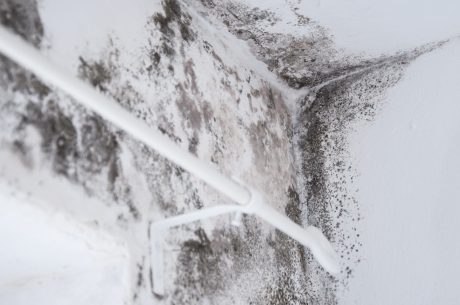
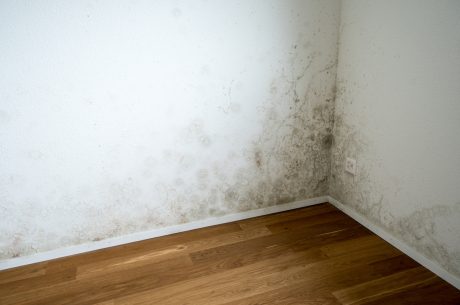
- Discoloration or dark spots on ceilings, walls, or furniture.
- Persistent condensation on windows or mirrors.
- Peeling paint, warping wood, or soft drywall.
- Increased allergy or breathing problems among household members.
If these symptoms appear around the same time each year, they likely point to humidity and mold caused by recurring seasonal mold growth. Addressing the source early can prevent costly repairs later.
Preventing Humidity-Driven Mold Problems in McLean Homes
Preventing mold begins with controlling moisture. McLean homeowners can take small but effective steps to keep indoor humidity levels balanced throughout the year.
Simple ways to prevent mold:
- Keep indoor humidity between 30–50% using a dehumidifier.
- Ensure proper airflow by opening windows when the weather allows.
- Use exhaust fans in bathrooms and kitchens after cooking or bathing.
- Clean and maintain HVAC systems regularly.
- Seal leaks, cracks, and gaps around pipes, roofs, and windows.
- Clear gutters and downspouts to prevent rainwater buildup.
- Insulate attics and basements to reduce condensation.
Each of these practices interrupts the relationship between humidity and mold, reducing the likelihood of seasonal mold growth and keeping your home dry, safe, and comfortable year-round. For detailed guidance on safe cleanup methods and prevention steps, you can visit the EPA’s official guide on mold cleanup in homes.
Conclusion
McLean’s seasonal climate makes moisture control a year-round responsibility. Each season brings its own challenges: spring rains, summer humidity, autumn dampness, and winter condensation. When humidity and mold go unchecked, they can impact both structure and air quality. By staying proactive with ventilation, dehumidification, and regular inspections, you can protect your home from seasonal mold growth and maintain a cleaner, healthier indoor environment.
FAQs
Q1. What humidity level should I maintain at home to prevent mold?
A: Keep indoor humidity between 30–50%. This range helps control humidity and mold, keeping air comfortable and reducing condensation on cool surfaces.
Q2. Can mold return after seasonal cleaning?
A: Yes, mold can return if the underlying humidity isn’t addressed. Controlling humidity and mold at the source, through repairs and ventilation, ensures lasting results.
Q3. Is professional mold testing necessary for seasonal mold growth?
A: If you notice recurring mold despite cleaning, or if symptoms like odor or discoloration persist, professional testing can help detect seasonal mold growth in hidden areas and prevent it from spreading.
 PuroClean of McLean and West Falls Church