


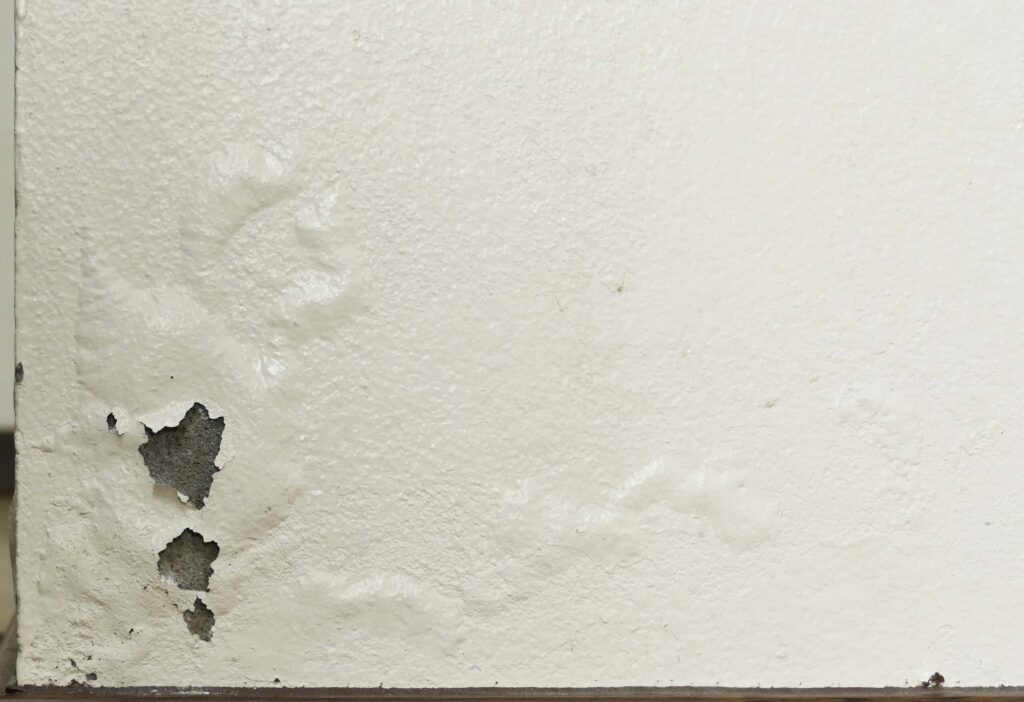
Water damage doesn’t always announce itself with obvious flooding or dramatic ceiling leaks. In fact, some of the most destructive water damage occurs silently behind walls, beneath floors, and within structural spaces where you can’t see it developing. By the time hidden water damage becomes visible, it has often been growing for weeks, months, or even years causing extensive structural deterioration, creating toxic mold colonies, and requiring expensive repairs that could have been prevented with earlier detection.
Water Damage in Melbourne, FL
As Melbourne, Florida homeowners, we face unique challenges when it comes to hidden water damage. Our subtropical climate with high humidity year-round, frequent afternoon thunderstorms, proximity to the Atlantic Ocean and Indian River Lagoon, and hurricane exposure create constant moisture threats. Add aging plumbing systems in older Melbourne neighborhoods, air conditioning condensation issues, and roof vulnerabilities from salt air exposure, and you have perfect conditions for water damage that develops slowly and stays hidden until it becomes catastrophic.
At PuroClean of Melbourne, we’ve restored hundreds of properties where hidden water damage went undetected for extended periods. We’ve seen situations where homeowners had no idea serious problems were developing until they noticed a small discoloration on a wall—only to discover extensive damage throughout multiple rooms once we began investigation. We’ve responded to “minor” leak calls that revealed years of accumulated moisture damage requiring tens of thousands of dollars in restoration.
This comprehensive guide reveals the ten most common signs of hidden water damage, helping Melbourne homeowners identify problems before they escalate into major disasters. Understanding these warning signs empowers you to catch water damage early, minimize restoration costs, and protect your property’s structural integrity and your family’s health.
Sign #1: Unexplained Increases in Your Water Bill
Your water bill provides valuable clues about hidden leaks that you cannot see. If your water consumption suddenly increases without explanation you haven’t filled a pool, your household size hasn’t changed, and your usage patterns remain consistent hidden leaks are the likely culprit.
Even small leaks waste surprising amounts of water. A toilet that runs continuously can waste 200 gallons per day. A dripping faucet wastes approximately 3,000 gallons annually. A pinhole leak in a pipe can release hundreds of gallons before you notice any visible water damage. These leaks don’t just increase your utility costs; they saturate building materials, create conditions for mold growth, and cause structural damage that worsens daily.
Melbourne homeowners should monitor water bills closely and investigate any unexplained increases. Compare bills month-to-month and year-over-year to identify unusual patterns. A 10% to 15% increase in water usage without obvious explanation warrants investigation. Check your water meter before bedtime when no water is being used, note the reading, and check again first thing in the morning before anyone uses water. If the meter has moved, you have a leak somewhere in your system.
Common sources of hidden leaks that show up in increased water bills include toilet flappers that don’t seal properly, supply line leaks behind walls or under floors, underground pipe leaks between your meter and home, irrigation system leaks, and water heater leaks that drain into floor drains or sumps.
READ ALSO: Hidden Water Damage: The Silent Threat Lurking in Your Home
If your water bill suggests a leak but you can’t locate it visually, contact PuroClean of Melbourne at (321) 378-2400. We use professional leak detection equipment including acoustic sensors and thermal imaging cameras that pinpoint hidden leaks without destructive investigation. Early detection prevents the extensive damage that develops when leaks go unaddressed for months.
Sign #2: Musty Odors or Stale Smells in Specific Areas
Persistent musty odors are often the first noticeable sign of hidden water damage and mold growth. This distinctive smell—earthy, damp, similar to wet socks or rotting wood—comes from microbial volatile organic compounds (MVOCs) released by mold and mildew as they digest organic materials in your home.
The challenging aspect of musty odors is that they indicate hidden problems rather than visible ones. You might notice the smell strongest when opening closets, in certain rooms when you first enter, when the air conditioning turns on, in bathrooms or laundry rooms even after thorough cleaning, or in basements, crawl spaces, or attics.
These odors don’t originate from surfaces you can see and clean. They emanate from hidden spaces where moisture has accumulated and mold has colonized: behind drywall where condensation forms, beneath flooring where leaks have saturated subfloors, within HVAC ductwork where condensation and humidity create growth conditions, inside wall cavities where plumbing leaks slowly saturate insulation and framing, or in attic spaces where roof leaks or condensation create moisture problems.
In Melbourne’s humid climate, many homeowners mistakenly dismiss mild musty smells as normal given our moisture-laden air. This is a critical error. While humidity certainly affects indoor air quality, persistent musty odors indicate active moisture problems that require professional assessment. Healthy homes shouldn’t have musty smells, regardless of climate.
Never mask odors with air fresheners or ignore them hoping they’ll dissipate. These smells are warnings that water damage and likely mold growth are occurring in hidden spaces. The longer these problems develop unaddressed, the more extensive and expensive remediation becomes.
At PuroClean of Melbourne, we investigate musty odors using moisture detection equipment and, when necessary, minimally invasive inspection techniques that reveal hidden damage without unnecessary demolition. We can identify moisture sources, assess mold growth extent, and develop comprehensive remediation plans that address both visible and hidden contamination.
Sign #3: Warping, Buckling, or Sagging Floors
Flooring changes often signal hidden water damage affecting subflooring, floor joists, or foundational elements beneath your visible floor surfaces. Water-damaged floors might feel spongy or soft when you walk on them, show visible warping with boards that have lifted or buckled, develop gaps between floorboards or tiles, slope or sag in areas that were previously level, or creak or squeak in areas that didn’t make noise previously.
Hardwood floors are particularly susceptible to water damage and show problems relatively quickly. Boards cup (edges curl upward) or crown (centers rise) when moisture content changes. Gaps open between boards as wood swells and contracts. Finish deteriorates and discolors over water-damaged areas.
Laminate and engineered wood floors swell and delaminate when exposed to moisture, creating visible bubbling or separation of layers. Once water damage occurs to these materials, replacement is typically necessary—they cannot be dried and restored like solid hardwood.
Tile floors might seem impervious to water, but grout allows water penetration, and damage occurs beneath tiles where you cannot see it. Loose tiles, cracked grout, or tiles that sound hollow when tapped indicate moisture problems below. In severe cases, entire sections of tile flooring crack or shift as the substrate deteriorates.
Carpet might feel damp in areas without obvious water sources, develop dark stains or discoloration, emit musty odors even after cleaning, or feel unusually warm or cold in certain spots due to moisture beneath.
The source of moisture causing floor damage isn’t always obvious. Possibilities include plumbing leaks in pipes beneath floors, slab leaks in concrete foundation plumbing, HVAC condensate leaks, water heater failures that drain under flooring, dishwasher or refrigerator leaks that spread beneath cabinetry, groundwater seepage through foundations, or condensation from humidity accumulating under flooring materials.
Melbourne’s concrete slab construction makes detecting and accessing beneath-floor leaks particularly challenging. Many Melbourne homes have plumbing embedded in concrete slabs, and leaks in these lines can saturate extensive areas before symptoms appear at the surface. Professional leak detection becomes essential in these situations.
If you notice any floor abnormalities, contact a professional immediately. At PuroClean of Melbourne, we use moisture meters and other diagnostic tools to assess water damage extent beneath flooring before significant demolition becomes necessary. Early detection often allows targeted repairs rather than extensive floor replacement.
Sign #4: Peeling, Bubbling, or Cracking Paint and Wallpaper
Paint and wallpaper failures often indicate moisture problems within walls. Water trapped behind these surface treatments causes visible deterioration that homeowners frequently misattribute to age or poor initial application rather than recognizing as symptomatic of hidden water damage.
Signs of moisture behind paint include paint that bubbles or blisters, especially on exterior walls, peeling or flaking paint that reveals multiple layers underneath, paint that feels soft, spongy, or damp to the touch, cracking paint in web-like patterns, or discoloration that bleeds through fresh paint applications.
Wallpaper shows moisture damage through peeling or lifting at seams or edges, bubbling or warping, discoloration or staining, mold growth on or behind wallpaper, or wallpaper that feels damp or cool to the touch.
Moisture causing these symptoms comes from various sources: exterior water intrusion through compromised siding or flashing, roof leaks that travel down within wall cavities, plumbing leaks behind walls, condensation forming on cold pipes or ducts within walls, or high indoor humidity that penetrates walls and condenses.
Many Melbourne homeowners discover paint problems on exterior walls after heavy rain or during humid summer months. These patterns suggest water penetration from outside—potentially through aging caulk around windows, deteriorated siding, or roof problems. Don’t simply repaint over these issues; they’ll return and worsen until the underlying moisture source is addressed.
Bathrooms and kitchens are particularly vulnerable to paint failure from moisture. Poor ventilation, shower steam, cooking humidity, and plumbing concentration create challenging conditions. Paint problems in these rooms might seem normal, but they often indicate inadequate ventilation or hidden leaks rather than simple cosmetic wear.
Never paint over bubbling, peeling, or moldy surfaces without investigating the cause. Fresh paint temporarily masks symptoms but doesn’t address moisture problems. Within weeks or months, damage reappears—often worse than before because moisture continued accumulating while hidden beneath new paint.
Professional assessment identifies moisture sources and determines whether damage is limited to surface materials or extends into wall structures. At PuroClean of Melbourne, located at 739 North Dr, we’ve investigated countless paint failures throughout Brevard County and understand the moisture patterns that affect Melbourne properties. Our thermal imaging and moisture detection equipment reveals problems without unnecessary demolition.
Sign #5: Visible Mold Growth in Unusual Places
While mold itself isn’t hidden, mold appearing in unexpected locations indicates hidden moisture problems that are feeding the growth. Mold requires moisture, and when it appears somewhere that shouldn’t be wet—like on walls away from bathrooms, on ceilings in rooms without plumbing above, in closets, or on furniture—it signals hidden water damage providing the moisture necessary for colonization.
Mold appearing on interior walls, especially exterior walls, might indicate condensation issues, hidden leaks, or moisture penetration from outside. Ceiling mold away from bathrooms suggests roof leaks or plumbing leaks from above. Closet mold, particularly on exterior walls, often results from poor insulation and condensation forming on cold surfaces. Mold on furniture, especially pieces against exterior walls, indicates high humidity or moisture problems within walls.
In Melbourne’s humid climate, mold grows aggressively when moisture is present. Small colonies can expand to cover square feet within days under ideal conditions. What you see on surfaces represents only a fraction of the total mold problem—the visible growth is supported by extensive colonization within walls, insulation, and structural spaces where conditions are even more favorable.
Black mold (Stachybotrys chartarum) receives significant attention, but all mold growth indicates moisture problems requiring professional attention. The species matters less than the fact that mold is actively growing, meaning moisture levels are high enough to support it. Where you have mold, you have water damage—whether from chronic humidity, hidden leaks, or undetected water intrusion.
Don’t attempt to clean mold without addressing the moisture source. Cleaning visible mold while leaving moisture problems unresolved simply ensures mold returns within weeks. Additionally, improper cleaning spreads mold spores throughout your property, creating new colonies in previously unaffected areas.
Professional mold remediation addresses both visible growth and underlying moisture problems. At PuroClean of Melbourne, we don’t just remove mold; we identify and correct the moisture conditions that allowed it to grow, ensuring problems don’t recur after remediation. Call us at (321) 378-2400 for professional mold assessment and remediation throughout Melbourne and Brevard County.
Sign #6: Stains or Discoloration on Walls and Ceilings
Water stains indicate current or previous water intrusion that may have caused hidden damage even if active leaking has stopped. These stains appear as brown, yellow, copper, or grey discoloration, often with darker edges forming rings or irregular shapes. They might fade toward the center where water dried first, or show multiple rings indicating repeated wetting and drying cycles.
Ceiling stains typically indicate roof leaks, plumbing leaks from above, or HVAC condensation problems. The stain location might not correspond directly to the leak source—water travels along rafters, pipes, or other pathways before dripping through ceilings, sometimes appearing far from the actual entry point.
Wall stains suggest exterior water penetration through siding or windows, plumbing leaks within walls, or water wicking upward from foundation moisture problems. Stains appearing near floor level might indicate foundation leaks, while stains higher on walls often result from roof or plumbing issues.
The challenge with water stains is that they remain visible long after active leaking stops, creating uncertainty about whether problems are ongoing. Homeowners sometimes dismiss stains as old problems that have been resolved, not realizing that hidden damage occurred during the leak and moisture might still be trapped within structural spaces.
Testing moisture levels behind stained areas provides definitive answers about whether problems are active. Dry stains with normal moisture readings might require only cosmetic repairs, while stains with elevated moisture indicate ongoing problems requiring immediate attention.
READ ALSO: 7 Hidden Water Damage Threats That Could Wreck Your Salt Lake City Home This Fall
Never paint over water stains without investigating their source and ensuring areas are completely dry. Paint might hide discoloration temporarily, but if moisture problems persist, stains bleed through fresh paint and damage continues developing unseen. Even if leaks have stopped, water-damaged materials might harbor mold growth that continues spreading regardless of stain coverage.
At PuroClean of Melbourne, we investigate water stains with moisture meters and thermal imaging that reveal whether problems are active or resolved. We trace stains to their sources, identifying leak entry points that aren’t always obvious from interior visual inspection. This thorough assessment ensures repairs address root causes rather than just cosmetic symptoms.
Sign #7: Increased Humidity or Condensation Indoors
Unexpectedly high indoor humidity or excessive condensation signals moisture problems that can cause hidden water damage throughout your property. While some humidity is normal in Melbourne’s subtropical climate, indoor relative humidity should stay between 30% and 50% with properly functioning HVAC systems. Humidity consistently above 60% creates conditions for mold growth, material deterioration, and hidden moisture accumulation.
Signs of problematic indoor humidity include condensation forming on windows, especially double-pane windows that shouldn’t sweat, moisture collecting on mirrors, tile, or other surfaces, persistent foggy or steamy air even with air conditioning running, walls or surfaces that feel damp to the touch, or indoor humidity that’s noticeably higher than comfortable levels.
Excessive indoor humidity comes from various sources: HVAC systems that don’t adequately dehumidify, poor ventilation that traps moisture indoors, hidden plumbing leaks releasing moisture into air, or groundwater moisture entering through foundations or crawl spaces.
The danger of high humidity is that it creates water damage without obvious leaks. Moisture from humid air condenses on cool surfaces—pipes, exterior walls, ductwork—and saturates materials surrounding these condensation points. This slow, chronic moisture accumulation causes extensive hidden damage: mold growth within walls, wood rot in framing, insulation deterioration, and drywall damage.
In Melbourne, air conditioning typically controls humidity effectively during operation. If your AC runs but humidity remains high, several problems might exist: undersized or failing AC systems that can’t handle moisture loads, dirty or clogged evaporator coils reducing dehumidification, duct leaks that introduce humid outdoor air into your system, or inadequate air sealing allowing humid air infiltration.
Humidity problems often worsen during summer months when outdoor humidity is highest and air conditioning runs most frequently. However, if you notice humidity issues in winter or during typically drier periods, this suggests significant moisture sources beyond normal environmental humidity.
Purchase an inexpensive hygrometer to monitor indoor humidity levels throughout your home. Test different rooms—humidity problems might be localized to specific areas, providing clues about moisture sources. Bathrooms and kitchens typically have higher humidity, but if bedrooms, living areas, or other spaces consistently show humidity above 60%, investigate for hidden moisture problems.
Professional assessment identifies whether humidity stems from HVAC inadequacy, building envelope problems, or hidden moisture sources. At PuroClean of Melbourne, we can evaluate moisture patterns throughout your property and recommend solutions that address root causes of humidity problems, protecting your home from the hidden water damage that chronic high humidity creates.
Sign #8: Structural Changes or Foundation Cracks
Structural changes like doors that no longer close properly, windows that stick or won’t open smoothly, floors that have developed slopes or unevenness, or cracks appearing in walls, ceilings, or foundations might indicate hidden water damage affecting structural elements.
Water-damaged wood framing swells, warps, and loses strength. Floor joists saturated with water sag under weight they previously supported easily. Wall studs affected by chronic moisture lean, shift, or deteriorate, causing doors and windows in those walls to become misaligned. These structural changes often develop slowly, and homeowners attribute them to settling or age rather than recognizing them as symptoms of water damage.
Foundation problems linked to water damage include cracks in basement walls or concrete slabs, efflorescence (white, chalky deposits) on foundation walls indicating water seepage, crumbling or flaking concrete, gaps between walls and foundations, or bowing or leaning foundation walls.
Water affects foundations through various mechanisms. Poor drainage saturates soil around foundations, creating hydrostatic pressure that cracks concrete and forces water through foundation walls. Plumbing leaks beneath slabs saturate soil and weaken foundation support. Expansive soils common in parts of Florida swell when wet and shrink when dry, creating movement that cracks foundations.
The connection between water damage and structural problems isn’t always obvious to homeowners. A door that suddenly won’t close might seem like a minor annoyance, not a symptom of serious water damage weakening the wall framing. Foundation cracks might appear to be normal aging, not indicators of moisture problems requiring immediate attention.
These structural symptoms are particularly concerning because they indicate extensive hidden damage that has been developing long enough to affect your home’s structural integrity. By the time doors misalign or foundations crack from water damage, significant—and often expensive—repairs are necessary.
If you notice structural changes, especially if they’ve developed relatively quickly or seem to worsen after rain, investigate for water damage immediately. Professional structural assessment combined with moisture testing reveals whether water damage is contributing to problems and how extensive hidden damage might be.
At PuroClean of Melbourne, we work with structural specialists when water damage has compromised building integrity. Our comprehensive assessment identifies moisture problems while coordinating with engineers or contractors who can evaluate and address structural repairs. Early intervention prevents minor problems from becoming catastrophic failures requiring major reconstruction.
Sign #9: Sounds of Running Water When Fixtures Aren’t in Use
Hearing water running when no fixtures are in use is an obvious indication of hidden leaks somewhere in your plumbing system. These sounds might be faint trickling, continuous hissing, dripping sounds behind walls, or rushing water sounds in pipes when nothing should be running.
Test for this problem by ensuring all water-using appliances are off and no one is using fixtures, then listening carefully throughout your home. Walk through rooms, particularly near plumbing fixtures and along walls where pipes run. Listen in quiet hours when ambient noise is minimal.
If you hear water movement, you have active leaks that are currently damaging your property. These leaks might be small—dripping from joints or tiny cracks in pipes—but they operate continuously, saturating materials day and night until the leak is repaired.
Common sources of hidden leaks that produce sounds include toilet flappers that don’t seal completely, causing water to continuously run into bowls; pinhole leaks in copper pipes behind walls; loose pipe joints that allow water seepage; or pressure relief valves on water heaters that drip continuously.
Some leaks are silent despite causing significant damage. Water seeping from tiny cracks might not produce noticeable sounds but still saturates surrounding materials. Don’t assume absence of water sounds means absence of leaks—use other warning signs on this list to comprehensively assess your property.
If you suspect hidden leaks based on sounds, call professionals with leak detection equipment. At PuroClean of Melbourne, we use acoustic sensors and other specialized tools that precisely locate leaks without invasive demolition. Pinpointing leak locations allows targeted repairs rather than extensive exploratory demolition that increases costs and restoration time.
Sign #10: Unexplained Allergy Symptoms or Respiratory Issues
Health symptoms that develop or worsen at home might indicate hidden mold growth resulting from water damage. While health effects aren’t visible water damage per se, they’re important warning signs that moisture problems exist and have progressed to mold contamination affecting indoor air quality.
Symptoms suggesting mold-related indoor air quality problems include persistent coughing, sneezing, or throat irritation at home that improves when away, increased asthma symptoms or breathing difficulties, persistent sinus problems or congestion, eye irritation, headaches, or skin rashes or irritation without other obvious causes.
The pattern of symptoms matters more than the symptoms themselves. Allergies and respiratory problems have many causes, but if multiple household members experience symptoms that specifically worsen at home and improve elsewhere, indoor air quality problems become likely culprits. Children, elderly individuals, and people with compromised immune systems are particularly susceptible to health effects from mold exposure.
Hidden mold growth from undetected water damage creates these health impacts. Mold colonies within walls, under flooring, in attics, or within HVAC systems release spores into indoor air continuously. You breathe this contaminated air daily, even though you can’t see the mold source and might not realize it’s affecting your health.
Don’t ignore health patterns suggesting indoor air quality problems. These symptoms indicate hidden mold growth that requires professional remediation. Addressing health effects without remediating mold provides no lasting relief—symptoms return as long as mold contamination continues.
If household members experience unexplained health symptoms at home, consider professional mold testing and inspection. At PuroClean of Melbourne, we assess properties for hidden mold growth and moisture problems that affect health. Our comprehensive remediation services eliminate mold contamination and address underlying moisture sources, restoring healthy indoor air quality.
What to Do If You Recognize These Warning Signs
Recognizing signs of hidden water damage is the first step; taking appropriate action is equally important. If you’ve identified one or more of these warning signs in your Melbourne home, follow these steps:
Don’t ignore warning signs hoping they’ll resolve themselves or assuming they’re minor issues. Hidden water damage only worsens over time, and early intervention is always less expensive than delayed response after extensive damage has occurred.
Document what you’ve noticed with photos, notes about when symptoms appeared, and details about patterns you’ve observed. This documentation helps professionals assess problems and supports insurance claims if damage warrants coverage.
Contact professional water damage restoration and inspection services. At PuroClean of Melbourne, we provide comprehensive assessments that identify hidden water damage, determine moisture sources, and develop remediation plans. Call us at (321) 378-2400 anytime—we’re available 24/7 for emergency response and assessment.
Don’t attempt to investigate hidden damage yourself through invasive demolition. Professional moisture detection equipment reveals hidden problems without unnecessary destruction, allowing targeted repairs rather than extensive exploratory demolition.
Address moisture sources promptly once identified. Whether repairing leaks, improving ventilation, correcting drainage, or addressing other moisture problems, eliminating water sources prevents additional damage while restoration proceeds.
Consider professional mold testing if you suspect contamination based on odors, health symptoms, or visible growth. Testing identifies mold types and concentrations, guiding appropriate remediation.
Review insurance coverage to understand what might be covered. Sudden and accidental leaks are typically covered, though gradual damage from maintenance neglect might not be. Understanding coverage helps you make informed decisions about repairs and claims.
The Cost of Ignoring Hidden Water Damage
Delaying action when signs suggest hidden water damage creates escalating problems and costs. Water damage that’s addressed in early stages typically requires minor repairs—perhaps fixing a leak and drying affected materials. That same damage left unaddressed develops into major restoration projects requiring extensive demolition, mold remediation, structural repairs, and full reconstruction.
Consider the progression: A small plumbing leak behind a wall might cost a few hundred dollars to repair if caught when you first notice increased water bills or slight dampness. Ignore those signs for months, and that leak saturates wall framing, creates extensive mold growth, damages flooring, and potentially compromises structural integrity. Now you’re facing repairs costing tens of thousands of dollars instead of hundreds.
Beyond financial costs, hidden water damage affects your health through mold exposure, compromises your home’s structural integrity potentially creating safety hazards, reduces your property value significantly, and creates stress, disruption, and prolonged inconvenience during eventual restoration.
The message is clear: early detection and prompt action protect both your property and your budget. Don’t let embarrassment about not catching problems sooner, uncertainty about costs, or hope that problems aren’t serious prevent you from taking action when warning signs appear.
Conclusion: Vigilance Protects Your Melbourne Property
Hidden water damage is one of the most destructive and expensive problems Melbourne homeowners face. Our humid climate, frequent storms, and aging building components create constant risks for moisture problems that develop silently until they become catastrophic. However, understanding the warning signs of hidden water damage empowers you to catch problems early and take action before minor issues become major disasters.
Watch for these critical signs: unexplained water bill increases, musty odors, floor changes, paint failures, unexpected mold, water stains, high humidity, structural changes, water sounds, and health symptoms. Any of these warnings suggests hidden moisture problems requiring professional assessment.
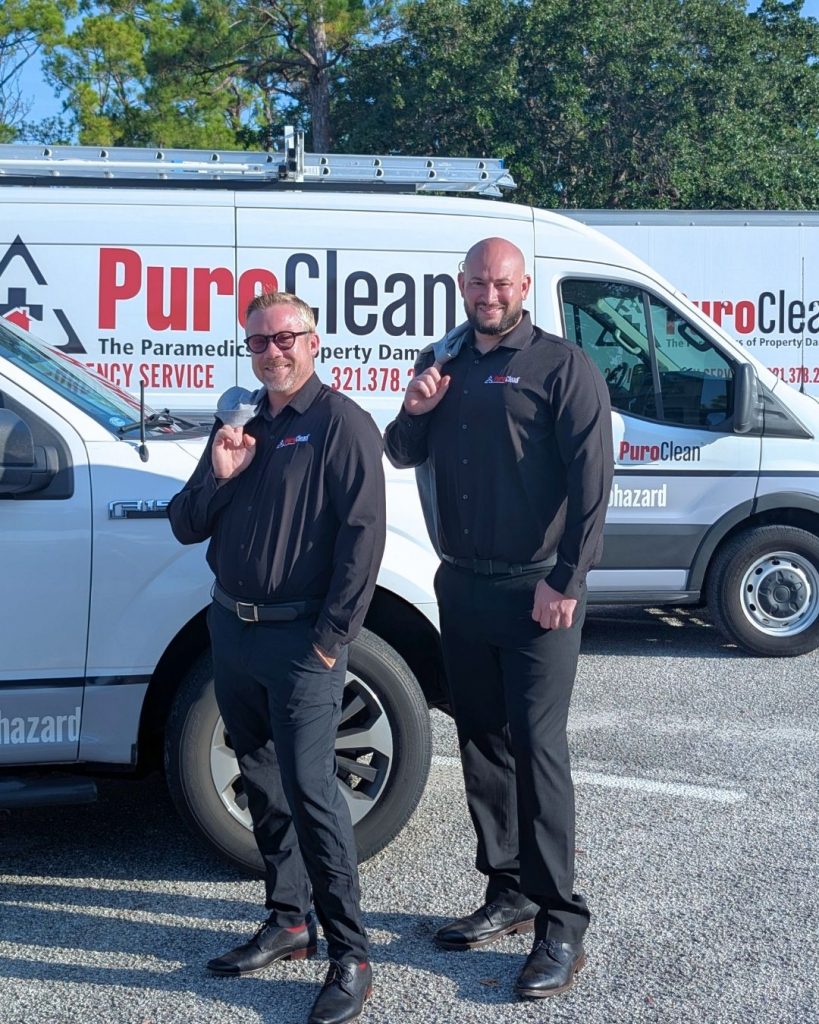
PuroClean of Melbourne is your local partner for detecting, assessing, and remediating hidden water damage throughout Brevard County. Our certified technicians bring professional moisture detection equipment, years of experience with Melbourne properties, and commitment to thorough restoration that addresses both visible and hidden damage. We’re available 24/7 at (321) 378-2400 for emergency response, assessment, and restoration services.
Visit our website at www.puroclean.com/melbourne-fl-puroclean-melbourne to learn more about our comprehensive water damage restoration services, or email us at [email protected] with questions about your specific situation.
Don’t wait until hidden water damage becomes obvious catastrophic damage. Trust your observations, investigate warning signs, and call professionals who can detect and address problems before they escalate. Your vigilance today protects your property, your health, and your financial security for years to come.
Connect With Us on Social Media!