


Table of Contents
Hidden water damage often develops behind walls, under floors, or in ceilings without obvious signs—until it becomes expensive to fix. The key takeaway: if you notice subtle changes like odors, discoloration, or rising humidity, you should investigate immediately. Early detection helps prevent structural issues, mold growth, and costly repairs.
What Is Hidden Water Damage?
Hidden water damage refers to moisture problems that are not immediately visible but still affect the structure and air quality of your home. It typically occurs when water leaks slowly over time or becomes trapped in enclosed areas.
Common sources include:
- Leaking pipes inside walls: Small, continuous leaks that go unnoticed for long periods
- Roof leaks: Water entering through damaged shingles or flashing
- Appliance leaks: Dishwashers, water heaters, or washing machines slowly releasing water
- HVAC condensation issues: Moisture buildup from improperly drained systems
These issues often lead to moisture behind walls and other concealed damage.
Early Warning Signs You Shouldn’t Ignore
Spotting problems early can save you significant repair costs.
Look for these signs:
- Musty or damp odors: A persistent smell often indicates trapped moisture or mold growth
- Discoloration on walls or ceilings: Yellow, brown, or dark patches may signal water intrusion
- Peeling paint or bubbling drywall: Moisture weakens surface materials, causing visible changes
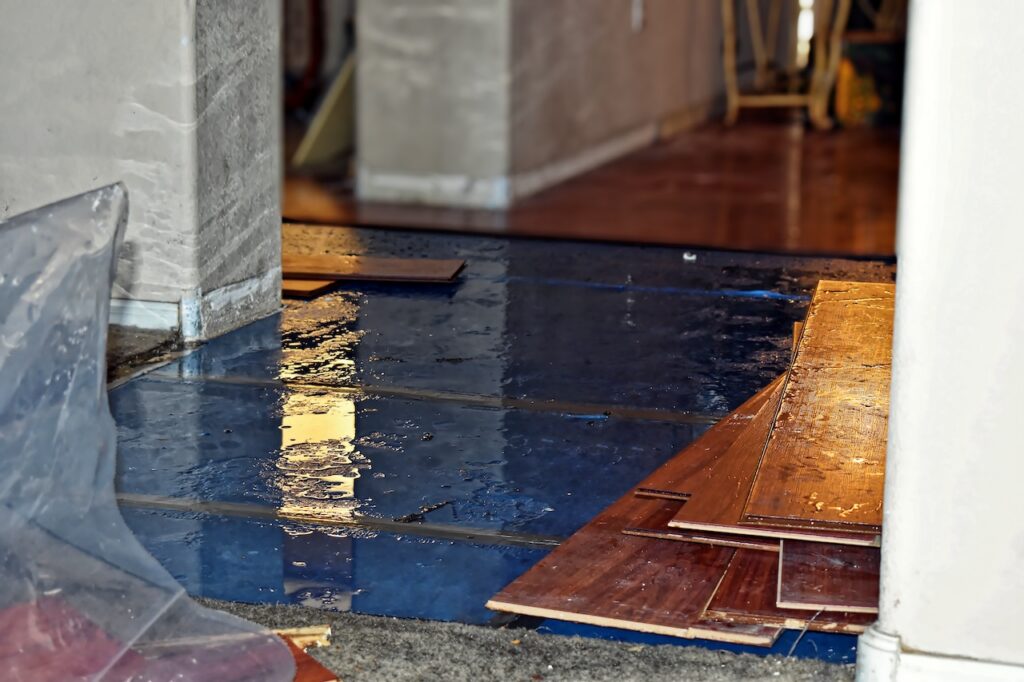
- Warped flooring or soft spots: Wood and laminate materials absorb water and deform over time
- Unexpected increase in utility bills: Hidden leaks can cause higher water usage without obvious cause
These are strong indicators of water damage behind walls or in other concealed areas.
How Hidden Water Damage Develops (Step-by-Step)

That musty smell may be a sign of mold.
Understanding how damage progresses helps you act faster.
- A small leak begins: Often from plumbing, roofing, or appliances
- Moisture accumulates: Water spreads into nearby materials like drywall or insulation
- Airflow is limited: Enclosed spaces trap moisture, preventing drying
- Damage spreads silently: Structural materials weaken and mold may develop
- Visible signs appear: By this stage, repairs are often more extensive
This process explains why undetected water leaks can cause serious long-term damage.
Hidden vs Visible Water Damage
| Factor | Hidden Water Damage | Visible Water Damage |
|---|---|---|
| Visibility | Behind walls or floors | Clearly visible |
| Detection | Requires inspection tools | Easily noticeable |
| Damage speed | Slow but widespread | Often immediate |
| Mold risk | High due to trapped moisture | Moderate |
| Repair cost | Higher if delayed | Lower if addressed quickly |
Hidden issues are often more dangerous because they go unnoticed longer.
Why Hidden Water Damage Is Dangerous
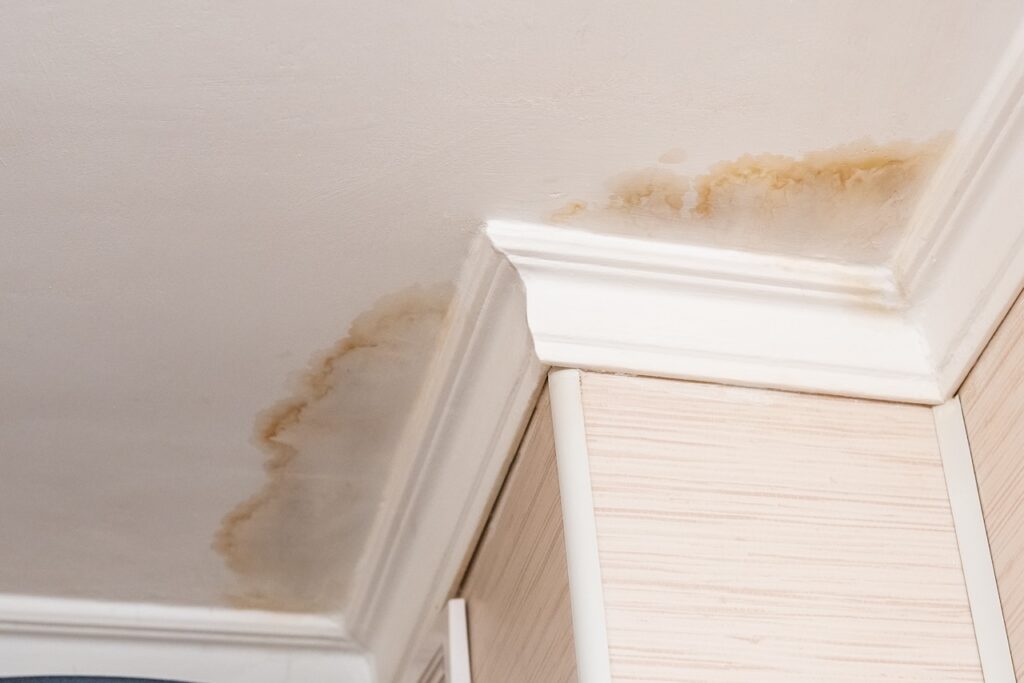
A discolored stain on the ceiling is a cause for concern.
Even small amounts of trapped moisture can lead to serious problems over time.
Key risks include:
- Structural damage: Wood rot and weakened framing can compromise safety
- Mold growth: Moist environments promote mold within 24–48 hours
- Indoor air quality issues: Mold spores and moisture affect breathing conditions
- Electrical risks: Water exposure near wiring increases hazard potential
These risks make slow water leaks in house situations particularly concerning.
How to Check for Hidden Water Damage
You don’t always need specialized tools to identify potential issues early.
Basic checks homeowners can do:
- Inspect under sinks and around appliances for moisture
- Check ceilings and walls for discoloration or soft spots
- Monitor humidity levels indoors
- Listen for dripping or running water sounds behind walls
- Review water bills for unexplained increases
If any of these signs appear, further inspection may be needed.
When to Call a Professional
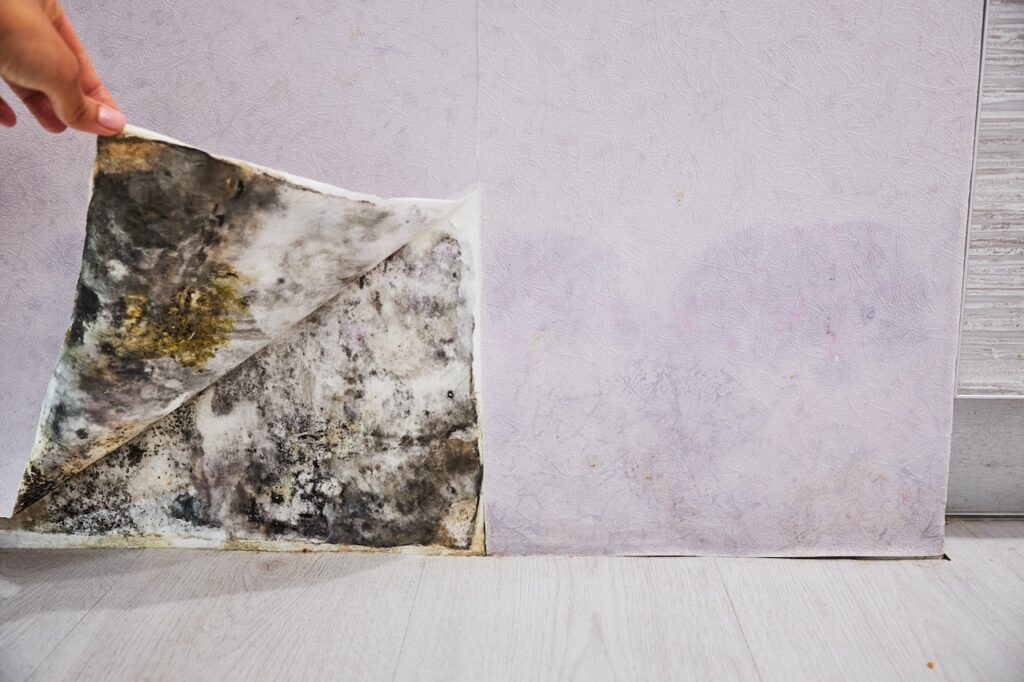
Long-lasting water damage can evolve into mold if not treated quickly.
Some water damage cannot be confirmed without proper equipment. Moisture meters, thermal imaging, and professional assessments help detect issues that are not visible.
PuroClean provides expert support in Wolf Creek, GA to identify and address hidden water damage before it worsens. Early intervention helps limit structural impact and reduces restoration costs.
FAQs
What are the first signs of hidden water damage?
Common early signs include musty odors, wall discoloration, peeling paint, and warped flooring. These usually indicate moisture trapped behind surfaces.
Can hidden water damage cause mold?
Yes. Mold can begin growing within 24–48 hours in damp environments, especially in areas with poor airflow.
How do I find water leaks behind walls?
Signs like soft drywall, stains, or unusual humidity can indicate leaks. Professionals use moisture meters and thermal imaging for accurate detection.
Is hidden water damage expensive to fix?
Costs vary depending on severity. Early detection keeps repairs manageable, while delayed action often leads to higher costs.
Should I worry about small leaks?
Yes. Even small leaks can cause significant damage over time if they remain undetected.
Protect Your Home from Hidden Water Damage
If you suspect hidden water damage, taking action early can prevent serious issues. PuroClean in Wolf Creek, GA provides professional inspections and restoration support to help protect your home.
Contact PuroClean today at (404) 682-5400 to schedule an assessment and stop hidden damage before it spreads.
Key Takeaways
- Acting quickly reduces repair costs and protects your home
- Hidden water damage often develops out of sight but causes serious issues
- Early signs include odors, discoloration, and warped materials
- Small leaks can lead to major structural and mold problems
- Hidden damage is harder and more expensive to fix if delayed
- Regular inspections help catch issues early
- Professional tools improve detection accuracy