


Table of Contents
When a fire breaks out in your home, the flames get all the attention. They’re visible, immediate, and terrifying. But once the fire is out and the smoke begins to clear, a quieter and far more insidious threat takes center stage one that most homeowners don’t fully understand until it’s too late. That threat is soot.
Fire and Smoke Damage in Melbourne, FL – Call (321) 378-2400

Soot is not simply a cosmetic problem. It is not just a black smudge on your walls that wipes away with a damp cloth. Soot is a complex toxic substance made up of fine particles, heavy metals, acids, and carcinogenic compounds that can cause serious and lasting harm to your health. It continues to damage your home and your body long after the fire has been extinguished sometimes for weeks or months if it is not properly and professionally addressed.
At PuroClean of Melbourne, we’ve helped hundreds of homeowners and businesses throughout Brevard County recover from fire damage. Time and again, we see people underestimate the danger of soot because it doesn’t look threatening. In this guide, we want to change that. We’ll explain exactly what soot is, what it does to the human body, which populations are most at risk, and what proper soot cleanup actually looks like both what you can do and, more importantly, when you need to call in professionals.
What Is Soot, Really?
Most people think of soot as simple black smoke residue. In reality, soot is an extraordinarily complex mixture of partially burned organic and inorganic materials. Its exact composition depends on what burned — wood, plastic, fabric, insulation, rubber, chemicals — and the conditions under which it burned. A house fire, which typically involves multiple different materials burning simultaneously, produces a particularly dangerous and varied soot composition.
Read Also: The Impact of Soot Deposition and Prompt Cleaning for Property Recovery
At its core, soot is made up of ultrafine carbon particles — often smaller than 2.5 microns in diameter, which is roughly 1/30th the diameter of a human hair. These particles are classified as PM2.5 (fine particulate matter), the same category of particle identified by the EPA as one of the most dangerous air pollutants because of their ability to penetrate deep into the lungs and even enter the bloodstream.
Beyond the carbon core, soot from a structure fire typically contains:
- Polycyclic aromatic hydrocarbons (PAHs) — a family of chemical compounds, many of which are known carcinogens, formed during the incomplete combustion of organic materials.
- Heavy metals including lead, arsenic, cadmium, and chromium, which are released when paints, older building materials, batteries, and electronics burn.
- Volatile organic compounds (VOCs) such as benzene, formaldehyde, and acetaldehyde — all of which are toxic and many of which are classified as probable or known human carcinogens.
- Acidic compounds that form when sulfur and nitrogen in burned materials combine with moisture in the air, creating sulfuric and nitric acid residues on surfaces.
- Dioxins and furans — among the most toxic compounds known to science — which are produced when chlorine-containing materials like PVC piping, vinyl flooring, or plastic packaging are burned.
This is not a substance you want on your walls, in your air ducts, on your furniture — or in your lungs.
How Soot Enters Your Body

Understanding how soot exposure happens is essential to understanding why it’s so dangerous. Most people assume that if they don’t see visible smoke, they aren’t being exposed. This is a dangerous misconception.
Soot enters the body in three primary ways:
Inhalation
This is the most common and most dangerous route. Because soot particles are so fine, they bypass the body’s natural filtration systems in the nose and upper respiratory tract. PM2.5 particles travel deep into the bronchioles and alveoli — the tiny air sacs deep in the lungs where oxygen exchange occurs. Once there, they cause inflammation, oxidative stress, and can enter the bloodstream directly. Larger soot particles (PM10) are captured by cilia and mucus in the airways, but they still irritate and inflame the respiratory tract.
In a post-fire environment, soot doesn’t need to be visibly airborne to pose an inhalation risk. Fine particles can remain suspended in indoor air for hours after a fire and are easily re-suspended by foot traffic, air currents from HVAC systems, or simple activities like sweeping or dusting.
Skin Contact
Soot that settles on the skin can cause irritation, chemical burns, and — particularly in the case of PAHs and heavy metals — can be absorbed through the skin into the bloodstream. This is especially concerning for children, whose skin is more permeable than adults’, and for anyone handling soot-coated materials without proper protective equipment.
Ingestion
Soot that settles on food preparation surfaces, dishes, utensils, or food itself poses an ingestion risk. Children are particularly vulnerable because they frequently touch contaminated surfaces and then put their hands in their mouths. Soot can also contaminate drinking water if it enters through open faucets or water containers.
The Medical Risks of Soot Exposure
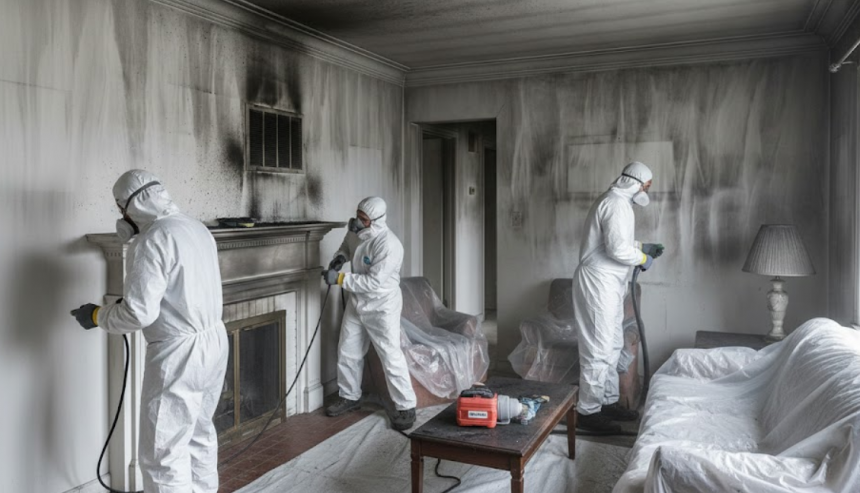
The health effects of soot exposure range from mild and temporary to severe and permanent, depending on the duration of exposure, the concentration of soot, the specific compounds present, and the health status of the individual. Here is what the science and medical literature tells us about what soot does to the human body.
Respiratory System Damage
The respiratory system bears the brunt of soot exposure. In the short term, soot inhalation causes irritation and inflammation of the nose, throat, bronchial tubes, and lungs. This manifests as coughing, wheezing, shortness of breath, chest tightness, and increased mucus production. For most healthy adults, these symptoms are temporary and resolve once the person is removed from the contaminated environment.
However, repeated or prolonged exposure — or a single significant exposure event — can cause more lasting damage. Chronic inflammation of the airways leads to conditions that resemble or worsen asthma and bronchitis. Research has linked long-term exposure to fine particulate matter from combustion sources to an increased risk of chronic obstructive pulmonary disease (COPD), reduced lung function, and lung cancer.
Read Also: 5 Ways to Clean Soot Fast After Fire Damage
For individuals who already have asthma, COPD, or other respiratory conditions, even brief soot exposure can trigger severe exacerbations that require emergency medical care.
Cardiovascular Effects
The cardiovascular risks of fine particulate matter exposure are well-documented and sobering. Once PM2.5 particles enter the bloodstream through the lungs, they trigger a systemic inflammatory response that affects the heart and blood vessels. Studies have linked exposure to fine particulate matter — including soot — to increased rates of heart attack, stroke, cardiac arrhythmias, and heart failure. The American Heart Association has identified PM2.5 air pollution as a significant risk factor for cardiovascular disease.
For individuals who are already living with heart disease, high blood pressure, or diabetes, soot exposure in a post-fire home environment poses a genuinely serious cardiac risk.
Cancer Risk
The International Agency for Research on Cancer (IARC) classifies soot as a Group 1 carcinogen — meaning there is sufficient evidence that it causes cancer in humans. The carcinogenic risk comes primarily from the PAHs and other chemical compounds embedded in soot particles. The cancers most strongly associated with soot exposure include lung cancer, skin cancer (from direct contact), and bladder cancer.
It’s important to note that the cancer risk from a single fire event in a home is not the same as the risk associated with decades of occupational exposure. However, living in a soot-contaminated home for weeks or months without proper remediation represents a genuinely elevated cancer risk, particularly for children whose developing bodies are more susceptible to carcinogenic compounds.
Neurological Effects
Heavy metals commonly found in soot — particularly lead, arsenic, and cadmium — are potent neurotoxins. Lead exposure is of particular concern in older Melbourne homes (built before 1978), where lead-based paint may have been present. When lead paint burns, it releases lead particles that become embedded in soot. Exposure to even small amounts of lead is dangerous for children and can cause irreversible cognitive impairment, behavioral problems, and developmental delays.
Emerging research also suggests a link between long-term fine particulate matter exposure and increased risk of neurodegenerative diseases including Alzheimer’s and Parkinson’s disease in adults.
Skin and Eye Irritation
Direct contact with soot causes skin irritation, redness, and in some cases chemical burns. The acidic compounds in soot are particularly irritating to mucous membranes, causing eye burning, tearing, redness, and inflammation. Prolonged skin contact with PAH-containing soot has been linked to an increased risk of skin cancer in occupational settings.
Immune System Suppression
Research has shown that chronic exposure to fine particulate matter and the toxic compounds in soot can suppress immune function, making the body less capable of fighting off infections. This is particularly concerning for young children, the elderly, and anyone with an already-compromised immune system.
Who Is Most at Risk?
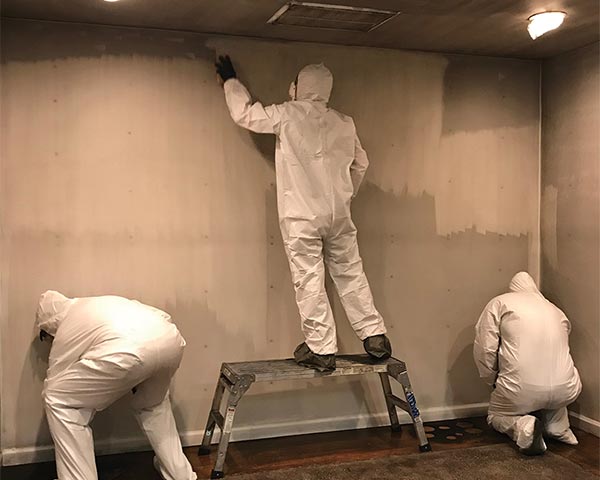
While soot exposure poses health risks to everyone, certain groups face dramatically elevated danger. If any of the following people were in or near a fire-damaged home, their risk must be taken particularly seriously:
- Infants and young children — Their respiratory and immune systems are still developing, they breathe more air relative to their body weight than adults, and their behavior (crawling on contaminated floors, putting hands in mouths) increases ingestion risk significantly.
- Pregnant women — Soot exposure during pregnancy has been linked to low birth weight, preterm birth, and developmental complications in the fetus.
- The elderly — Reduced lung capacity and a higher prevalence of underlying cardiovascular and respiratory conditions make soot exposure especially dangerous.
- People with asthma, COPD, or other respiratory conditions — Even low-level soot exposure can trigger serious exacerbations.
- People with heart disease, high blood pressure, or diabetes — Elevated cardiovascular risk from PM2.5 exposure is well-established.
- Anyone with a compromised immune system — Including those undergoing chemotherapy, living with HIV/AIDS, or taking immunosuppressant medications.
If any of these individuals were present in a home that experienced a fire — even a small kitchen fire — they should be evaluated by a physician before returning to the property, and the home should not be reoccupied until professional remediation is complete.
How Soot Spreads Through Your Home
One of the most important things to understand about soot is that it rarely stays where the fire was. Smoke travels through a home remarkably fast and far, and the soot it carries settles on every surface it contacts. In many cases, rooms far from the fire show significant soot contamination.
The HVAC system is often the primary vehicle for soot spread. If the system was running during or after the fire, it can pull smoke and fine particles through return air vents and distribute them throughout the entire home. Soot then settles inside the ductwork and on vents, where it becomes a persistent source of ongoing contamination every time the system runs.
Soot also penetrates porous materials far more deeply than it appears on the surface. Drywall, wood, insulation, fabric, and carpet can all absorb soot at a molecular level, making surface cleaning alone insufficient. This is why homeowners who clean the visible soot from their walls often still notice lingering odors and discoloration — the contamination extends deeper than they can see or reach.
What Proper Soot Cleanup Looks Like
Effective soot remediation is a multi-step process that requires the right equipment, the right cleaning agents, and the right sequence of actions. Here is what it entails.
Personal Protective Equipment First
Anyone entering a soot-contaminated space — even for a quick assessment — should wear an N95 or higher respirator, nitrile gloves, safety glasses or goggles, and clothing that covers exposed skin. This is non-negotiable. Do not enter a heavily soot-contaminated area without proper PPE.
Ventilation
Before any cleaning begins, the affected area should be thoroughly ventilated. Open windows and doors, run exhaust fans, and if possible, use industrial air movers to force contaminated air out of the space. However, do not run the central HVAC system — this will only spread contamination further.
Dry Soot Removal First
The critical rule in soot cleanup is: never apply water or liquid cleaning agents to soot before removing the dry particles first. Wet soot is dramatically harder to remove than dry soot and smears deeply into porous surfaces. Dry soot must be removed using HEPA vacuums and dry chemical sponges (also called dry soot sponges) before any wet cleaning begins. Standard household vacuums are not appropriate — they do not have filters capable of capturing fine soot particles and will simply recirculate them into the air.
Surface Cleaning with Appropriate Agents
Once dry soot has been removed, surfaces can be cleaned with appropriate agents. The right cleaner depends on the surface material and the type of soot. Protein-based soot (from kitchen fires) requires different treatment than fuel-oil soot or wood-fire soot. Professional restoration companies have access to specialized cleaning agents formulated for each type.
For painted walls and hard surfaces, a solution of trisodium phosphate (TSP) or a commercial soot cleaner is typically used. For porous surfaces like unsealed wood or brick, the process is more involved and may require multiple applications or sealing with an appropriate primer to lock in residual odor and staining.
HVAC Cleaning
If there is any chance that the HVAC system was running during or after the fire, professional duct cleaning is essential before the system is used again. Contaminated ducts will continue to spread soot particles and odors through the home every time the system operates. This is a job that requires specialized equipment — not standard residential duct cleaning — and should only be performed by a restoration company with experience in post-fire HVAC remediation.
Odor Elimination
Soot odor is persistent and penetrating. It does not go away on its own, and it cannot be masked with air fresheners or candles. Effective odor elimination requires professional deodorization techniques, including thermal fogging (which sends deodorizing agents deep into porous materials in a form that mirrors how smoke penetrated them) and hydroxyl generation (which uses UV light to create hydroxyl radicals that break down odor-causing molecules at a chemical level). Ozone treatment is another option for unoccupied spaces.
Material Assessment and Replacement
Some materials cannot be effectively cleaned of soot and must be replaced. Heavily contaminated insulation, certain types of drywall, porous ceiling tiles, carpet padding, and upholstered furniture that absorbed significant smoke may need to be removed and replaced rather than cleaned. A professional restoration technician can assess which materials can be saved and which must go, saving you time, money, and ongoing health risk.
Why DIY Soot Cleanup Often Makes Things Worse
We understand the impulse to tackle the cleanup yourself. It can seem more economical, faster, and within your control. But the reality is that improper soot cleanup commonly makes the problem worse, not better. Here’s why:
- Using water or liquid cleaners on dry soot before vacuuming sets the soot deeply into surfaces and makes it nearly impossible to fully remove.
- Using a standard vacuum spreads fine soot particles back into the air instead of capturing them.
- Scrubbing soot-covered surfaces with abrasive materials can drive particles deeper into porous materials.
- Failing to clean HVAC ducts creates an ongoing source of re-contamination.
- Using the wrong cleaning agent on the wrong surface type can cause irreversible damage to walls, floors, and finishes.
- DIY cleanup rarely addresses the full extent of soot spread, leaving contamination in hidden areas that continue to off-gas toxic compounds and cause odors.
The money saved on professional cleanup is frequently spent — and then some — on repairing the additional damage caused by improper DIY attempts.
How PuroClean of Melbourne Can Help
PuroClean of Melbourne is Brevard County’s trusted fire and smoke damage restoration team. When you call us after a fire, our certified technicians arrive quickly, assess the full extent of soot and smoke damage, and develop a comprehensive remediation plan tailored to your home’s specific situation.
Our soot remediation services include:
- Complete soot assessment of all affected areas, including hidden spaces, attics, and crawl spaces
- HEPA vacuuming and dry soot removal from all surfaces
- Professional surface cleaning with the appropriate agents for each surface type and soot category
- HVAC system inspection, cleaning, and clearance testing
- Thermal fogging, hydroxyl generation, and ozone treatment for odor elimination
- Content cleaning and restoration for furniture, personal belongings, and textiles
- Material assessment and coordination of necessary structural repairs and replacements
- Indoor air quality testing to confirm remediation is complete before you return home
We work with all major insurance carriers and can assist with documentation and claims. We are available 24 hours a day, 7 days a week, because fire damage doesn’t wait for business hours — and neither do we.
Final Thoughts: The Danger You Can’t See Is the One That Hurts You Most
A fire in your home is one of the most traumatic events a family can experience. In the aftermath, it’s natural to focus on the visible — the char marks, the damaged furniture, the blackened walls. But the greatest ongoing threat to your health and your home after a fire is often the invisible one: the microscopic soot particles embedded in every surface, floating in the air, and settling in your lungs.
Read Also: How to Remove Soot: Expert Tips on Soot Cleaning
Soot is a carcinogen. It contains heavy metals, acid compounds, and VOCs that continue to cause harm for as long as they remain in your home. Children, the elderly, pregnant women, and anyone with respiratory or cardiovascular conditions face particularly serious risks from even low-level ongoing exposure.
Don’t take chances with your family’s health. Don’t trust your home’s air quality to a mop and a bottle of household cleaner. Call PuroClean of Melbourne and let us make your home truly safe again.
PuroClean of Melbourne
Fire, Smoke & Mold Remediation | Available 24/7
📍 739 North Dr, Melbourne, FL 32934
📞 (321) 378-2400
🌐 puroclean.com/melbourne-fl-puroclean-melbourne
✉️ [email protected]
Connect With Us on Social Media!
Instagram | Facebook | Direction | Check Reviews | Yelp