



Fire damage is one of the most devastating events a homeowner can face. Beyond the emotional trauma of watching your home burn, the financial implications can be overwhelming. If you’re a Florida homeowner, particularly in the Melbourne area, understanding your insurance coverage for fire damage is crucial not just after a fire occurs, but right now, before disaster strikes.
The short answer is yes, home insurance typically covers fire damage in Florida. However, the details of that coverage can vary significantly depending on your policy, your insurance provider, and the specific circumstances of the fire. In 2026, Florida’s insurance landscape has become increasingly complex, making it more important than ever to understand exactly what protection you have.
This comprehensive guide will walk you through everything you need to know about fire damage coverage in Florida, from what’s typically included in standard policies to the unique challenges facing Sunshine State homeowners in today’s insurance market.
Understanding Standard Fire Coverage in Florida Homeowners Policies
Fire damage coverage is one of the foundational components of homeowners insurance. In fact, it’s typically one of the named perils covered under what’s known as an HO-3 policy, the most common type of homeowners insurance in Florida.
What’s Typically Covered
A standard Florida homeowners policy generally provides coverage for fire damage under several sections:
Dwelling Coverage protects the physical structure of your home, including walls, roof, floors, built-in appliances, and attached structures like garages. If fire damages or destroys these elements, your dwelling coverage helps pay for repairs or reconstruction. This coverage typically extends to permanently installed fixtures, built-in cabinets, and structural components.
Other Structures Coverage applies to detached structures on your property, such as sheds, detached garages, fences, and pool houses. If a fire spreads from your home to these structures or originates in them this coverage helps with repairs or replacement. Most policies limit this coverage to about 10% of your dwelling coverage amount.
Personal Property Coverage protects your belongings inside your home, including furniture, clothing, electronics, appliances, and other personal items. When fire destroys or damages these possessions, your personal property coverage helps replace them. Standard policies typically provide coverage equal to 50-70% of your dwelling coverage amount.
Read Also: Will Mold Grow After Water Damage? What Homeowners Need to Know
Loss of Use Coverage (also called Additional Living Expenses or ALE) is a critical but often overlooked component. If fire damage makes your home uninhabitable, this coverage pays for temporary housing, restaurant meals, and other increased living costs while your home is being repaired. In Florida’s expensive rental market, this coverage can be invaluable during extended restoration periods.
Medical Payments Coverage applies if someone is injured on your property during a fire, covering their medical expenses up to your policy limits regardless of fault. While this coverage is typically modest (often $1,000 to $5,000), it can help prevent small injuries from becoming major liability issues.
Liability Protection comes into play if you’re found legally responsible for a fire that damages someone else’s property or causes injuries. This might apply if a fire starts on your property and spreads to neighboring homes, or if someone is injured while visiting during a fire event.
Types of Fire-Related Incidents That Are Covered
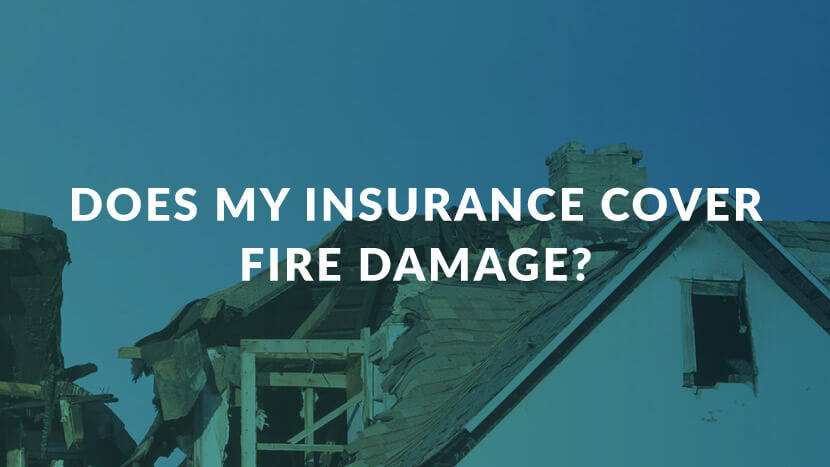
Understanding what qualifies as covered fire damage helps you know when to file a claim and what to expect from your insurance company.
Accidental Fires
The vast majority of residential fires fall into this category. Your policy covers fires that start accidentally, including:
- Kitchen fires from unattended cooking or grease ignition
- Electrical fires from faulty wiring, overloaded circuits, or defective appliances
- Heating equipment malfunctions, including space heaters and furnaces
- Candle accidents and unattended flames
- Smoking-related fires from cigarettes or cigars
- Fireplace or wood stove incidents
- Appliance malfunctions that cause fires
- Lightning strikes that ignite fires
These are considered covered perils because they’re accidental and unintentional, even if they resulted from negligence or carelessness on the homeowner’s part.
Fire Damage from External Sources
Your policy also covers fire damage that originates outside your property, such as:
- Wildfires that spread to your home
- Fires from neighboring properties that damage yours
- Brush fires or controlled burns that get out of control
- Vehicle fires that spread to structures
Read Also: Wet Carpet After a Leak: Can It Be Saved or Should You Replace It?
Florida has seen increasing wildfire activity in recent years, particularly during drought conditions. Your homeowners policy protects you from these external fire threats.
Smoke and Soot Damage
Fire coverage isn’t limited to flame damage. Policies also cover damage from smoke and soot, which can be extensive even when flames never reach certain areas of your home. Smoke can permeate walls, ceilings, ductwork, and belongings, requiring professional cleaning and restoration. Your insurance covers these smoke-related damages as part of your fire coverage.
Water Damage from Firefighting Efforts
When firefighters respond to your home, they typically use thousands of gallons of water to extinguish flames and cool hot spots. This water causes its own damage, flooding rooms, soaking insulation, and saturating drywall. Fortunately, your fire coverage includes water damage that results from firefighting efforts, though it’s technically covered under your fire peril, not your water damage coverage.
What’s NOT Covered: Important Exclusions
While fire coverage is comprehensive, certain exclusions can surprise unprepared homeowners.
Intentional Fires
Insurance never covers intentionally set fires or arson. If an investigation determines you deliberately burned your property or allowed someone else to your claim will be denied, and you could face criminal charges. This exclusion also applies if someone living in your household intentionally sets a fire.
Business Property and Activities
Standard homeowners policies exclude coverage for business property and activities conducted from your home. If you run a business from your residence and fire damages business equipment, inventory, or dedicated business space, your homeowners policy typically won’t cover these losses. You’d need a separate business owners policy or home business endorsement.
Certain High-Value Items
While personal property coverage includes most belongings, policies limit coverage for certain valuable items such as:
- Jewelry, watches, and furs (typically $1,000-$2,500 limit)
- Cash and coins (usually $200-$500 limit)
- Artwork and collectibles (often $2,500-$5,000 limit)
- Electronics and computer equipment (varies by policy)
You can schedule these items separately or purchase a valuable articles endorsement to increase coverage limits.
Maintenance-Related Issues
If a fire results from deferred maintenance or known hazards that you failed to address, your insurer might deny or reduce your claim. For example, if you ignored electrical problems that later caused a fire, or failed to maintain your chimney leading to a creosote fire, the insurer could argue you didn’t maintain the property properly.
Vacant Homes
Most policies exclude or severely limit coverage if your home has been vacant for more than 30-60 consecutive days. If you’re away for extended periods and a fire occurs, you might have no coverage. Special vacant home insurance is available for these situations.
Florida-Specific Insurance Considerations in 2026
Florida’s insurance market faces unique challenges that affect how fire damage claims are handled and what coverage is available.
The Florida Insurance Crisis
Florida has experienced significant insurance market turmoil in recent years. Multiple carriers have withdrawn from the state, reduced coverage offerings, or significantly increased premiums. This crisis, primarily driven by hurricane losses and litigation costs, affects all aspects of homeowners insurance, including fire coverage.
Many Florida homeowners have been forced into Citizens Property Insurance Corporation, the state-backed insurer of last resort. While Citizens provides fire coverage similar to private insurers, policy terms and claims processes may differ. Understanding your specific carrier’s requirements and procedures is essential.
Citizens Property Insurance Specifics
If you have a Citizens policy, your fire coverage works similarly to private insurance but with some distinctions:
- Claims processes may be more bureaucratic and slower
- Contractor restrictions might limit who can perform restoration work
- Settlement timelines can be longer
- Policy limits might be more restrictive
- Deductibles could be higher than traditional policies
Despite these potential challenges, Citizens does provide legitimate fire coverage, and many policyholders successfully navigate claims each year.
Assignment of Benefits (AOB) Reforms
Florida has enacted significant AOB reforms to combat insurance fraud. These reforms affect how you work with restoration contractors after fire damage. Understanding current AOB laws helps you avoid pitfalls that could complicate your claim.
Under current Florida law, you cannot assign your insurance benefits to a contractor before the insurer has had an opportunity to inspect the damage. This means restoration companies cannot begin work and bill your insurance directly without proper authorization. While reputable companies understand and follow these rules, some less scrupulous operators might pressure you into inappropriate arrangements.
Replacement Cost vs. Actual Cash Value
Florida policies may offer either replacement cost or actual cash value coverage. This distinction profoundly affects how much you receive for fire damage.
Replacement Cost Coverage pays to rebuild or repair your home with materials of similar kind and quality at current prices, without deducting for depreciation. If your kitchen was destroyed by fire, replacement cost coverage would pay to install a new kitchen at today’s costs, regardless of your original kitchen’s age.
Actual Cash Value Coverage deducts depreciation from the replacement cost. If your 15-year-old roof suffered fire damage, you’d receive the replacement cost minus 15 years of depreciation, potentially leaving you with insufficient funds for complete replacement.
Most homeowners prefer replacement cost coverage despite higher premiums, as it provides more comprehensive protection against fire losses.
Code Upgrade Coverage
When rebuilding after fire damage, you must meet current building codes, which may have changed significantly since your home was built. Code upgrade coverage (also called law and ordinance coverage) pays for additional costs required to bring your rebuilt home up to current code standards.
This coverage is particularly important in Florida, where building codes have been strengthened repeatedly following hurricanes. Without code upgrade coverage, you might face tens of thousands of dollars in out-of-pocket costs for required upgrades like:
- Enhanced wind resistance requirements
- Updated electrical systems
- Modern plumbing standards
- Improved fire safety features
- Energy efficiency requirements
The Claims Process: What to Expect After a Fire
Understanding the claims process helps you navigate this stressful period more effectively and avoid mistakes that could jeopardize your coverage.
Immediate Steps After Fire Damage
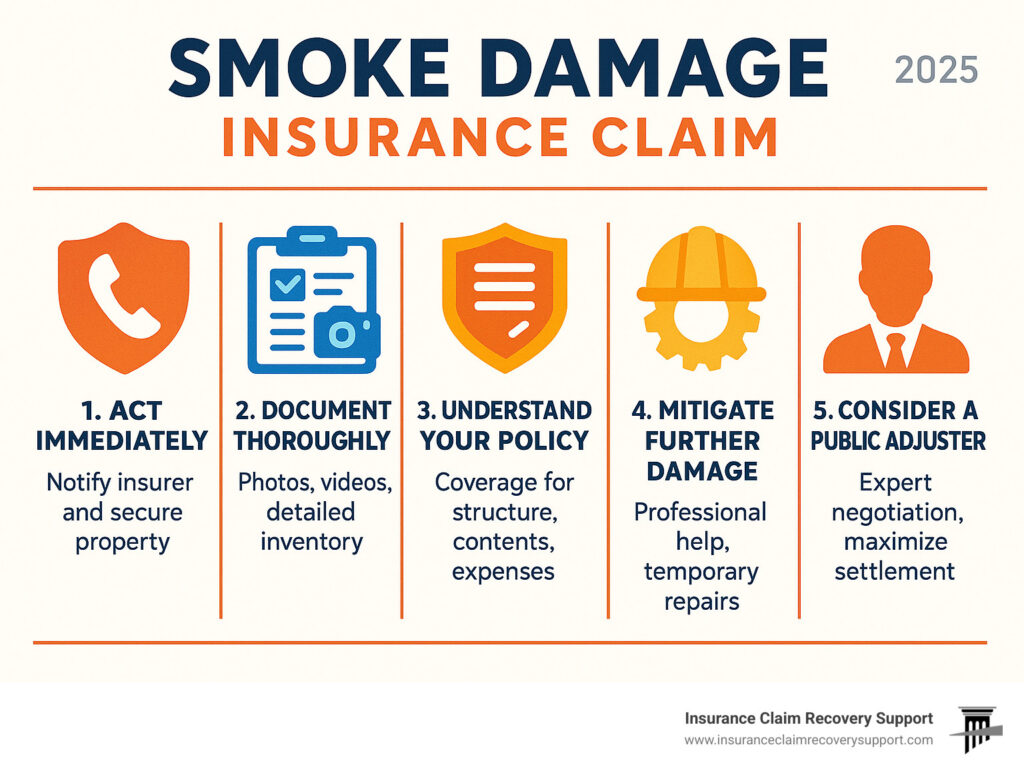
Your first responsibility after a fire is notifying your insurance company as quickly as possible. Most policies require “prompt” notification, and delays could complicate your claim. When you call:
- Provide your policy number
- Describe what happened, when, and where
- Give a preliminary assessment of damage
- Ask about emergency repairs you can make
- Request information about temporary housing if needed
- Get your claim number and adjuster’s contact information
Documenting the Damage
Before any cleanup begins, thoroughly document all fire damage. Take extensive photos and videos from multiple angles, showing:
- Overall damage to each room and area
- Close-ups of specific damaged items
- Structural damage to walls, ceilings, and floors
- Smoke and soot damage throughout the home
- Water damage from firefighting efforts
- Damaged personal property
Create a detailed inventory of damaged or destroyed items, including:
- Item descriptions
- Purchase dates and prices (if known)
- Current estimated value
- Photos if available
- Receipts or other proof of ownership
This documentation supports your claim and helps ensure fair compensation.
Working with the Insurance Adjuster
Your insurance company will assign an adjuster to inspect your property and estimate repair costs. This inspection typically occurs within a few days of your claim filing. Prepare for this meeting by:
- Being present to point out all damage
- Having your documentation ready
- Asking about the claims timeline
- Understanding how payments will be made
- Clarifying what’s covered and what isn’t
- Getting everything in writing
Don’t feel pressured to accept the first settlement offer. Adjusters work for the insurance company, and their initial estimates might not capture all damage. If you believe the estimate is inadequate, you have the right to negotiate or request a re-inspection.
Securing Your Property
After a fire, you’re responsible for preventing further damage to your property. This duty to mitigate includes:
- Boarding up openings to prevent weather damage and unauthorized entry
- Tarping damaged roof areas
- Extracting standing water
- Removing debris that could cause additional harm
- Securing valuables that remain in the home
Keep receipts for all emergency repairs and protective measures your insurance typically reimburses these costs. However, don’t make permanent repairs without adjuster approval, as this could affect your claim.
Understanding Payment Timelines
Florida law requires insurers to acknowledge claims within 14 days and begin investigation within specified timeframes. For fire claims, insurers must:
- Acknowledge your claim within 14 days
- Begin investigation promptly
- Make coverage decisions within 90 days
- Pay undisputed amounts within 90 days of notice of loss
- Pay remaining amounts within 90 days of reaching settlement agreement
Read Also: Water Damage in Melbourne FL: What Homeowners Should Do First
If your insurer fails to meet these deadlines without good cause, they could face penalties. Understanding these timelines helps you hold your insurer accountable.
Maximizing Your Fire Damage Claim
Getting fair compensation for fire damage requires understanding the process and avoiding common mistakes.
Don’t Underestimate Smoke Damage
Smoke damage is often more extensive and expensive than fire damage itself. Smoke permeates porous materials, travels through HVAC systems, and embeds in places flames never reach. Professional cleaning is essential, and costs can be substantial.
Ensure your adjuster accounts for:
- Smoke in ductwork requiring professional cleaning
- Odor remediation throughout the home
- Damage to items in closets and storage areas
- Smoke penetration in walls and ceilings requiring sealing and repainting
- Contamination of personal property that appears undamaged
Consider a Public Adjuster
For significant fire damage, hiring a public adjuster might be worthwhile. Unlike insurance company adjusters who work for the insurer, public adjusters work for you. They:
- Assess damage from your perspective
- Prepare and file your claim
- Negotiate with your insurance company
- Help ensure you receive maximum compensation
- Navigate complex policy language
Public adjusters typically charge 5-15% of your settlement, but they often increase settlements enough to more than cover their fees. For major losses, their expertise can be invaluable.
Work with Reputable Restoration Contractors
Choose restoration contractors carefully. Look for companies that:
- Are licensed and insured
- Have experience with insurance claims
- Provide detailed written estimates
- Don’t pressure you to sign AOB forms
- Communicate clearly about costs and timelines
- Have good reviews and local reputation
Reputable restoration companies work directly with adjusters, provide detailed documentation, and help ensure quality repairs that satisfy insurance requirements.
Keep Detailed Records
Maintain a claim file containing:
- All correspondence with your insurer
- Photos and videos of damage
- Receipts for temporary housing and emergency repairs
- Estimates from contractors
- Your damage inventory
- Notes from phone conversations (with dates, times, and names)
- Copies of checks and settlement documents
This documentation protects you if disputes arise and provides evidence of your losses.
Preventing Coverage Gaps: Policy Review Recommendations
Don’t wait for a fire to discover coverage gaps. Review your policy now to ensure adequate protection.
Schedule a Policy Review
Sit down with your insurance agent or broker annually to review your coverage. Discuss:
- Whether dwelling coverage reflects current rebuilding costs
- If personal property limits are sufficient
- Whether you need increased coverage for valuables
- If code upgrade coverage is adequate
- Whether deductibles are appropriate for your financial situation
Florida’s construction costs have increased significantly in recent years. Your dwelling coverage from even two years ago might be inadequate today.
Consider Endorsements and Riders
Standard policies have limitations that endorsements can address:
- Scheduled Personal Property Endorsements increase coverage for jewelry, art, collectibles, and other valuables
- Water Backup Coverage protects against certain water damage types
- Service Line Coverage covers repairs to underground utilities
- Home Business Endorsements protect business property and liability
- Ordinance or Law Coverage pays for code upgrade requirements
These endorsements add cost but can prevent devastating coverage gaps.
Understand Your Deductible
Higher deductibles reduce premiums but increase your out-of-pocket costs after fire damage. Ensure you could comfortably pay your deductible in an emergency. Some Florida policies have percentage-based deductibles (like 2% of dwelling coverage) that can be substantial on expensive homes.
Keep Your Insurer Informed
Notify your insurance company of major home improvements, renovations, or changes that affect replacement costs. Adding a room, upgrading your kitchen, or finishing a basement increases your home’s value and rebuilding costs. Without updating your policy, you might be underinsured.
What to Do If Your Claim Is Denied or Underpaid
Sometimes insurers deny claims or offer inadequate settlements. Know your options.
Request a Detailed Explanation
If your claim is denied, you’re entitled to a written explanation citing specific policy language supporting the denial. Review this carefully with your agent or attorney.
File an Internal Appeal
Most insurers have internal appeals processes. Present additional documentation, expert opinions, or evidence supporting your claim. Many denials are reversed on appeal.
Contact the Florida Department of Financial Services
File a complaint with Florida’s Division of Consumer Services if you believe your insurer is acting in bad faith. While they can’t force payment, they investigate complaints and can pressure insurers to reconsider.
Consider Legal Action
For significant claims, consult an attorney who specializes in insurance disputes. Florida law requires insurers to act in good faith, and you may be entitled to attorney’s fees if you prevail in litigation.
Conclusion: Fire Coverage Protection for Florida Homeowners
Home insurance does cover fire damage in Florida, providing essential protection against one of the most devastating perils homeowners face. However, the adequacy of that coverage depends on your specific policy, your insurance carrier, and how well you understand your coverage limits and obligations.
In 2026’s challenging Florida insurance market, proactive policy management is more important than ever. Review your coverage regularly, understand what’s included and excluded, and work with reputable professionals when filing claims.
Fire damage creates enormous stress and disruption. Knowing you have adequate insurance coverage and understanding how to navigate the claims process provides peace of mind and financial protection when you need it most. Don’t wait until fire strikes to discover coverage gaps review your policy now and ensure your family and property are properly protected.
If you experience fire damage, act quickly to secure your property, document losses, notify your insurer, and engage qualified restoration professionals. With proper coverage and knowledgeable guidance, you can recover from fire damage and restore your home to its pre-loss condition.
Connect With Us on Social Media!
Instagram | Facebook | Direction | Check Reviews | Yelp | Linkedin | Youtube | Twitter | BBB