


In the heat of an emergency, when flames erupt in your kitchen or elsewhere in your home, grabbing a fire extinguisher is exactly the right response. However, in the chaos of fighting a fire, you may find yourself caught in a cloud of fire extinguisher powder, inhaling the fine particles that fill the air. If this has happened to you, it’s natural to feel concerned about the health effects.
Fire and Smoke Damage in Melbourne, FL
At PuroClean of Melbourne, we understand that emergencies often create secondary concerns, and we’re here to help you understand what to do when you’ve inhaled fire extinguisher powder and how to safely clean up the aftermath.
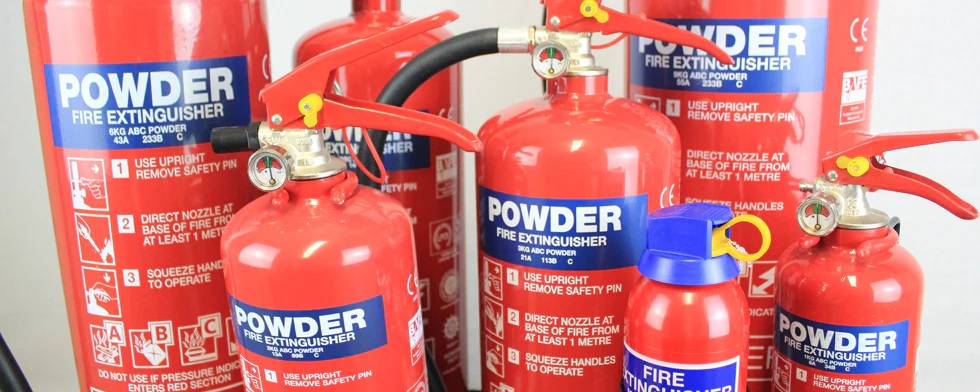
Understanding Fire Extinguisher Powder Composition
Before addressing the health concerns of inhaling fire extinguisher powder, it’s important to understand what you’ve been exposed to. Fire extinguishers come in several types, each containing different chemical compounds designed to combat specific types of fires.
The most common household fire extinguisher is the ABC dry chemical extinguisher, which contains monoammonium phosphate as its primary active ingredient. This yellowish powder is effective against Class A fires involving ordinary combustibles like wood and paper, Class B fires involving flammable liquids, and Class C fires involving electrical equipment. When discharged, this powder creates a dense cloud that can easily be inhaled during use.
BC dry chemical extinguishers, typically used for flammable liquid and electrical fires, contain sodium bicarbonate or potassium bicarbonate. These compounds are chemically similar to baking soda, though they’re not identical and shouldn’t be treated as harmless household products when inhaled in large quantities.
Some specialized extinguishers contain Purple K, which is potassium bicarbonate designed for high-efficiency fire suppression. Others may use potassium chloride or a mixture of compounds. Each type has different properties and potential health effects when inhaled.
Carbon dioxide extinguishers don’t contain powder at all but release CO2 gas, which can displace oxygen and cause breathing difficulties through a different mechanism. Halotron and other clean agent extinguishers use gas-based suppressants that evaporate quickly but can still cause respiratory irritation during discharge.
Understanding which type of extinguisher you used helps medical professionals provide appropriate care if you experience concerning symptoms. Check the label on your fire extinguisher to identify its classification and chemical contents.
Immediate Health Effects of Inhaling Fire Extinguisher Powder
When you inhale fire extinguisher powder, the immediate effects depend on the amount inhaled, the type of chemical involved, and your individual health status. Most people experience some level of respiratory irritation when exposed to fire extinguisher discharge, even in small amounts.
The most common immediate symptoms include coughing, which is your body’s natural response to foreign particles in your airways. You may experience throat irritation that feels scratchy or burning, along with shortness of breath or difficulty taking deep breaths. Some people develop chest tightness or a feeling of pressure in their lungs.
Eye irritation frequently accompanies powder inhalation since the fine particles affect multiple mucous membranes simultaneously. Your eyes may water, burn, or become red and swollen. Skin exposed to the powder may also feel irritated, itchy, or develop a mild rash.
Nausea or stomach upset can occur, especially if you’ve swallowed some of the powder along with inhaling it. The chemical taste may trigger a gag reflex or general queasiness. Headaches are also common, potentially resulting from the stress of the emergency, oxygen displacement during the incident, or direct chemical effects.
For most healthy individuals with minimal exposure, these symptoms are temporary and will resolve within a few hours to a couple of days with proper care. However, the severity and duration of symptoms vary significantly based on several factors.
Factors That Affect Your Risk Level
Not everyone who inhales fire extinguisher powder will experience the same effects. Several factors influence how severely the exposure affects you and how quickly you’ll recover.
The concentration and duration of exposure play the most significant role. Using a small extinguisher briefly in a well-ventilated space presents much less risk than discharging a large extinguisher in a confined area where you’re surrounded by dense powder clouds for an extended period.
Your proximity to the discharge makes a substantial difference. If you were directly in the path of the spray at close range, you’ll have inhaled more particles than someone who was across the room when the extinguisher was used.
Read Also: Is Fire Extinguisher Powder Toxic to Humans? — Synergy Recycling
Pre-existing respiratory conditions significantly increase your vulnerability to fire extinguisher powder effects. People with asthma may experience an asthma attack triggered by the particulate irritation. Those with chronic obstructive pulmonary disease, bronchitis, or other lung conditions may experience more severe breathing difficulties and longer recovery times.
Allergies and chemical sensitivities can amplify your body’s reaction to the powder. Some individuals develop allergic responses to specific compounds found in fire extinguishers, leading to more pronounced symptoms.
Age is another important factor. Young children and elderly individuals generally have more sensitive respiratory systems and may experience stronger reactions to powder inhalation. Infants and toddlers are particularly vulnerable because their smaller airways can be more easily irritated and obstructed by fine particles.
Your overall health status matters as well. Immune system function, cardiovascular health, and general physical condition all influence how your body responds to and recovers from chemical exposure.
Immediate Steps to Take After Inhalation
If you’ve just inhaled fire extinguisher powder, taking the right immediate steps can minimize health effects and speed your recovery. Time is critical, so act quickly while remaining calm.
Get to fresh air immediately. Move away from the area where the extinguisher was discharged and go outside or to a well-ventilated space where you can breathe clean air. Open windows and doors to allow the powder cloud to dissipate, but prioritize your own fresh air access first.
Once in fresh air, focus on breathing slowly and deeply. Panic and rapid breathing can worsen symptoms, so try to remain as calm as possible. Sit down if you feel dizzy or lightheaded, as this helps prevent falls and allows your body to focus on recovery rather than maintaining balance.
Rinse your mouth with clean water and spit it out. Don’t swallow initially, as this helps remove powder residue from your mouth and throat. After rinsing several times, you can drink small sips of water to soothe your throat and help clear any remaining particles from your upper airways.
If your eyes are affected, flush them gently with clean water or sterile saline solution for at least fifteen minutes. Remove contact lenses if you wear them, as powder can become trapped underneath the lenses and cause prolonged irritation.
Remove contaminated clothing carefully to avoid shaking powder particles into the air where you might inhale them again. Place the clothing in a sealed bag for later cleaning. Shower if possible, washing your skin and hair thoroughly to remove all powder residue.
Monitor your symptoms closely. Pay attention to whether they’re improving, remaining stable, or getting worse. Note any new symptoms that develop. This information will be valuable if you need to seek medical attention.
When to Seek Medical Attention
While most cases of fire extinguisher powder inhalation resolve without medical intervention, certain situations require professional medical evaluation. Knowing when to seek help can prevent complications and ensure you receive appropriate care.
Seek immediate emergency medical attention by calling 911 if you experience severe difficulty breathing, such as being unable to speak in full sentences, gasping for air, or feeling like you’re suffocating. Chest pain or pressure, especially if it’s severe or accompanied by other symptoms, requires emergency evaluation to rule out cardiac issues or serious respiratory complications.
Persistent or worsening symptoms despite moving to fresh air and following initial care steps indicate that medical intervention may be necessary. If your coughing becomes increasingly severe, if you develop wheezing that doesn’t improve, or if your breathing difficulty intensifies rather than gradually improving, don’t wait to seek help.
The appearance of blood in your saliva or when coughing is always a reason to seek immediate medical evaluation. This could indicate irritation damage to your airways or other complications that need professional assessment.
Confusion, extreme drowsiness, or loss of consciousness are serious neurological symptoms that require emergency response. These could indicate oxygen deprivation or other serious complications from the exposure.
For individuals with pre-existing respiratory conditions like asthma or COPD, medical consultation is advisable even with moderate symptoms. Your regular physician or pulmonologist can assess whether your condition has been exacerbated and may need to adjust your treatment plan temporarily.
Read Also: What to Do After Inhaling Material from Fire Extinguisher
If you have severe allergies or have experienced allergic reactions to chemicals in the past, be vigilant for signs of an allergic response. Hives, swelling of the face or throat, rapid heartbeat, or difficulty swallowing warrant immediate medical attention, as these could indicate anaphylaxis.
Children, elderly individuals, and pregnant women should receive medical evaluation after significant fire extinguisher powder inhalation, even if symptoms seem mild. These vulnerable populations may develop complications that aren’t immediately apparent.
Medical Treatment Options and What to Expect
If you do need to seek medical care after inhaling fire extinguisher powder, understanding what to expect can ease anxiety during an already stressful situation. Medical professionals will begin by assessing your vital signs, including oxygen saturation levels, heart rate, and blood pressure.
Your doctor will perform a thorough respiratory evaluation, listening to your lungs for signs of irritation, inflammation, or obstruction. They’ll ask detailed questions about the exposure, including what type of fire extinguisher was used, how long you were exposed, whether the space was confined or ventilated, and what symptoms you’ve experienced.
Oxygen therapy may be administered if your oxygen saturation is low or if you’re experiencing significant breathing difficulty. Supplemental oxygen helps ensure your body receives adequate oxygen while your lungs recover from the irritation.
Bronchodilator medications, similar to asthma inhalers, may be prescribed or administered to help open your airways and ease breathing. These medications can provide rapid relief from wheezing and shortness of breath caused by airway constriction.
In some cases, corticosteroid medications might be prescribed to reduce inflammation in your airways. These can be administered through inhalers, orally, or in severe cases, intravenously. Corticosteroids help minimize swelling and can prevent delayed inflammatory responses.
If you’ve developed significant eye irritation, prescription eye drops or ointments may be provided to reduce inflammation and prevent infection. Your eyes may be examined with specialized equipment to ensure no corneal damage has occurred.
Chest X-rays or other imaging studies might be ordered if your doctor suspects more serious lung involvement or wants to establish a baseline for monitoring your recovery. These tests help identify any pneumonitis, fluid accumulation, or other complications.
Most people who require medical attention for fire extinguisher powder inhalation are treated and released the same day. However, if symptoms are severe or complications develop, hospital admission for observation and continued treatment may be necessary.
Long-Term Health Considerations
For the vast majority of people who inhale fire extinguisher powder, there are no long-term health consequences. The respiratory irritation and other symptoms typically resolve completely within days to weeks, leaving no lasting effects. However, understanding potential long-term considerations helps you monitor your recovery appropriately.
In rare cases, particularly with heavy or prolonged exposure, chemical pneumonitis can develop. This is an inflammatory reaction in the lungs caused by chemical irritation. Symptoms may include persistent cough, fever, and breathing difficulties that don’t improve or worsen over several days. Chemical pneumonitis requires medical treatment and monitoring but usually resolves with appropriate care.
Some individuals may experience temporary hyperreactivity of their airways following exposure, meaning their lungs remain more sensitive to irritants than usual for weeks or even months. During this period, exposure to smoke, strong odors, cold air, or other irritants may trigger coughing or breathing difficulties more easily than before.
People with pre-existing asthma might find their condition more difficult to control for a period after the exposure. They may need to temporarily increase their maintenance medications or use rescue inhalers more frequently until their airways fully recover.
Persistent sinus irritation or infections can occasionally develop if powder particles became lodged in the nasal passages and sinuses. Symptoms include prolonged congestion, facial pressure, or headaches that don’t resolve with standard care. These issues typically respond well to medical treatment.
If you continue to experience any respiratory symptoms more than two weeks after the exposure, schedule a follow-up appointment with your healthcare provider. Persistent symptoms could indicate complications that need specific treatment or could reflect underlying conditions that were unmasked by the exposure.
Cleaning Up Fire Extinguisher Powder Safely
After addressing your immediate health concerns, you’ll need to deal with the fire extinguisher powder that now coats surfaces throughout the affected area. This cleanup process requires careful attention to avoid re-exposing yourself to the irritating particles.
Before beginning cleanup, ensure proper ventilation by opening all windows and doors in the affected area. If you have box fans, position them to exhaust air from the room to the outdoors. Good air circulation helps disperse fine particles that remain suspended in the air.
Wear appropriate protective equipment before starting cleanup. At minimum, use an N95 respirator or similar mask that filters fine particles. Regular dust masks or cloth face coverings don’t provide adequate protection from the very fine powder particles. Wear safety goggles to protect your eyes, gloves to protect your skin, and long sleeves to minimize skin contact.
Never use a regular household vacuum cleaner to clean fire extinguisher powder. The ultra-fine particles will pass through standard vacuum filters and be blown back into the air, creating a health hazard and potentially damaging the vacuum motor. Additionally, some fire extinguisher powders are slightly corrosive and can damage vacuum components.
Instead, carefully sweep up large accumulations of powder first, working slowly to avoid creating dust clouds. Use a dustpan and brush, and dispose of the swept powder in sealed plastic bags. For remaining residue, use damp cloths or mops to wipe surfaces clean. The moisture helps prevent particles from becoming airborne during cleaning.
Pay special attention to ventilation systems, as powder can be drawn into heating and cooling ducts. Check air vents and consider having your HVAC system professionally inspected and cleaned if significant amounts of powder were discharged, especially if you notice powder being redistributed through vents when the system runs.
Electronics exposed to fire extinguisher powder require special care. Many fire extinguisher chemicals are corrosive and can damage circuit boards and components. Don’t attempt to operate electronics that have been exposed to powder until they’ve been properly cleaned by professionals who specialize in electronic restoration.
Fabrics including curtains, upholstery, and carpets should be professionally cleaned rather than simply vacuumed or brushed off. Fire extinguisher residue can set into fibers and continue to release particles over time if not properly removed. Professional cleaning ensures thorough removal and prevents ongoing exposure.
When Professional Cleanup Services Are Necessary
While minor fire extinguisher discharge in a small area might be manageable with careful DIY cleaning, many situations require professional fire damage restoration services. At PuroClean of Melbourne, we regularly help homeowners and business owners deal with the aftermath of fire extinguisher use, ensuring thorough cleanup that protects health and prevents ongoing problems.
If fire extinguisher powder has spread throughout multiple rooms or has been drawn into your HVAC system, professional cleaning becomes essential. The powder can circulate through ductwork and continue contaminating your indoor air for months if not properly addressed. Our team has specialized equipment to clean ventilation systems thoroughly and prevent ongoing exposure.
Large-scale discharge, such as when commercial-sized extinguishers are used or when multiple extinguishers are deployed, creates cleanup challenges beyond what most property owners can handle safely. The sheer volume of powder requires industrial cleaning equipment and proper disposal methods.
Professional services become particularly important when fire extinguisher powder has settled on or in sensitive equipment, electronics, or valuable items. Our restoration specialists understand how to clean different materials without causing damage and can often save items that would otherwise be considered total losses.
If anyone in your household has respiratory conditions, allergies, or chemical sensitivities, professional cleaning provides peace of mind that all powder residue has been completely removed. We use testing equipment to verify that air quality has returned to safe levels before considering a job complete.
Properties with extensive smoke damage in addition to fire extinguisher powder require coordinated professional restoration. Smoke particles and fire extinguisher chemicals interact and can create complex cleaning challenges. Our comprehensive approach addresses all aspects of fire aftermath, from structural damage to air quality concerns.
Time is a critical factor in fire damage restoration. The longer fire extinguisher powder remains in your property, the more opportunity it has to corrode surfaces, damage electronics, and embed itself in porous materials. Our 24-hour emergency response means we can begin cleanup immediately, minimizing long-term damage and health risks.
Preventing Future Exposure During Fire Emergencies
Understanding how to use fire extinguishers safely helps you protect yourself from powder inhalation during future emergencies while still effectively fighting fires. Proper technique makes all the difference in minimizing exposure while maximizing fire suppression.
Before you ever face an emergency, familiarize yourself with your fire extinguishers. Read the instructions, understand what type you have, and know what fires it’s designed to fight. Practice the PASS technique in your mind: Pull the pin, Aim at the base of the fire, Squeeze the handle, and Sweep from side to side.
Position yourself properly when using a fire extinguisher. Stand at least six to eight feet from the fire, keeping a clear escape route behind you. Never let the fire get between you and your exit. This distance helps keep you out of the worst of the powder cloud while still allowing effective fire suppression.
Stay low if possible. Fire extinguisher powder, being heavier than air, tends to settle downward, so the worst concentration is often at mid to upper levels. However, smoke rises, so balance these factors based on the specific situation.
Read Also: What Happens If You Breathe In Fire Extinguisher Powder: Safety Guide and Health Effects – PuroClean of Melbourne
Hold your breath or take shallow breaths through your nose while discharging the extinguisher. This isn’t always possible during the stress of an emergency, but if you can minimize your breathing during the actual discharge, you’ll inhale less powder.
Evacuate immediately after using the extinguisher if the fire isn’t fully controlled or if the powder cloud is dense. Your safety is more important than saving property. Call 911 and let professionals handle fires that don’t respond quickly to your extinguisher.
Consider the space before discharging an extinguisher. In very small, confined areas with poor ventilation, the concentration of powder can become extremely high. In these situations, it may be safer to evacuate and call the fire department rather than risk severe powder exposure in addition to smoke and fire hazards.
After the emergency is over, ventilate the area thoroughly before re-entering to begin cleanup. Allow at least 30 minutes for powder to settle and for air to clear before returning to the space. When you do re-enter, wear appropriate respiratory protection.
Special Considerations for Different Populations
Certain groups face unique risks and require special considerations when it comes to fire extinguisher powder exposure. Understanding these vulnerabilities helps ensure everyone receives appropriate care.
Children are particularly susceptible to respiratory irritation from fire extinguisher powder because their airways are smaller and their respiratory systems are still developing. They also breathe more rapidly than adults, potentially inhaling more particles in the same timeframe. If a child has been exposed, watch carefully for any breathing difficulties and don’t hesitate to seek medical evaluation even for seemingly minor symptoms.
Pregnant women should consult with their healthcare provider after any significant chemical exposure, including fire extinguisher powder inhalation. While most exposures don’t pose risks to pregnancy, professional medical assessment provides reassurance and ensures both mother and baby are monitored appropriately.
Elderly individuals often have reduced lung capacity and may take longer to clear inhaled particles from their respiratory systems. They’re also more likely to have pre-existing conditions that could be complicated by powder exposure. Medical consultation is advisable for seniors who’ve experienced more than minimal exposure.
People with compromised immune systems, whether from illness, medical treatments, or medications, may be more susceptible to secondary infections if the powder exposure has irritated and damaged their respiratory tract’s protective barriers. They should be monitored closely and may benefit from preventive medical consultation.
Individuals with existing heart conditions should be aware that breathing difficulties can stress the cardiovascular system. Any chest discomfort, irregular heartbeat, or significant shortness of breath warrants immediate medical evaluation to ensure the heart isn’t being affected.
Pet owners should also be concerned about their animals’ exposure to fire extinguisher powder. Pets have more sensitive respiratory systems than humans and are closer to the ground where powder concentrations may be higher. Contact your veterinarian if your pet shows signs of respiratory distress, excessive coughing, or unusual behavior after exposure.
The Importance of Fire Safety Preparedness
While dealing with the aftermath of fire extinguisher use can be uncomfortable and concerning, it’s important to remember that having and using a fire extinguisher represents responsible fire safety practices. The temporary discomfort of powder inhalation is infinitely preferable to the alternative of an uncontrolled fire.
Maintaining working fire extinguishers in your home is essential for fire safety. Check your extinguishers monthly to ensure the pressure gauge is in the green zone and that there’s no visible damage. Have them professionally serviced annually according to manufacturer recommendations.
Place fire extinguishers strategically throughout your home, with at least one near the kitchen, one near the garage or workshop, and one on each floor of multi-story homes. Make sure all household members know where extinguishers are located and how to use them.
Install and maintain smoke detectors on every floor and near sleeping areas. Test them monthly and replace batteries annually. Interconnected smoke alarms that all sound when one detects smoke provide the earliest possible warning of fire dangers.
Develop and practice a fire escape plan with your family. Everyone should know at least two ways to exit from every room and where to meet outside. Practice the plan regularly so it becomes automatic in an emergency.
Consider investing in alternative fire suppression options for certain areas. Automatic fire suppression systems in range hoods can control kitchen fires without requiring you to use a handheld extinguisher. Fire blankets provide another option for smothering small fires without creating powder clouds.
Moving Forward After Powder Inhalation
If you’ve inhaled fire extinguisher powder, remember that recovery is usually complete and uncomplicated. Taking the right immediate steps, knowing when to seek medical care, and ensuring proper cleanup will help you move past this incident safely.
Monitor your symptoms over the coming days and trust your instincts about seeking medical care. It’s always better to be overcautious with respiratory symptoms than to ignore warning signs that something needs professional attention.
Don’t let this experience discourage you from having fire extinguishers or using them in emergencies. The benefits of fire extinguishers far outweigh the temporary discomfort of powder exposure. Instead, use this as a learning experience to better understand how to use them more safely in the future.
If you’re facing cleanup challenges after fire extinguisher discharge or dealing with fire damage of any kind, professional help is available. At PuroClean of Melbourne, we specialize in fire damage restoration and cleanup, including the thorough removal of fire extinguisher residue. Our team understands the health concerns associated with these chemicals and employs methods that ensure your property is safe and clean.
We’re available 24 hours a day, 7 days a week to respond to fire emergencies and their aftermath. Whether you need help with extensive cleanup after a major fire or guidance on properly cleaning up after fire extinguisher use, our certified technicians have the expertise and equipment to help.
Don’t struggle with fire damage restoration on your own or risk ongoing health effects from improper cleanup. Contact PuroClean of Melbourne at (321) 378-2400 for professional assistance. We’ll assess your situation, work with your insurance company, and restore your property to a safe, clean condition so you can move forward with confidence and peace of mind.
Your health and safety are our priorities. Let our experienced team guide you through the restoration process with the comprehensive services and compassionate support you deserve during this challenging time.
[Free Download] The PuroClean of Melbourne Kitchen Fire Safety & Recovery Checklist
A kitchen fire is one of the most stressful events a homeowner can face. Use this checklist to ensure your family’s safety during a fire and to protect your home’s value during the recovery process.
Connect With Us on Social Media!