


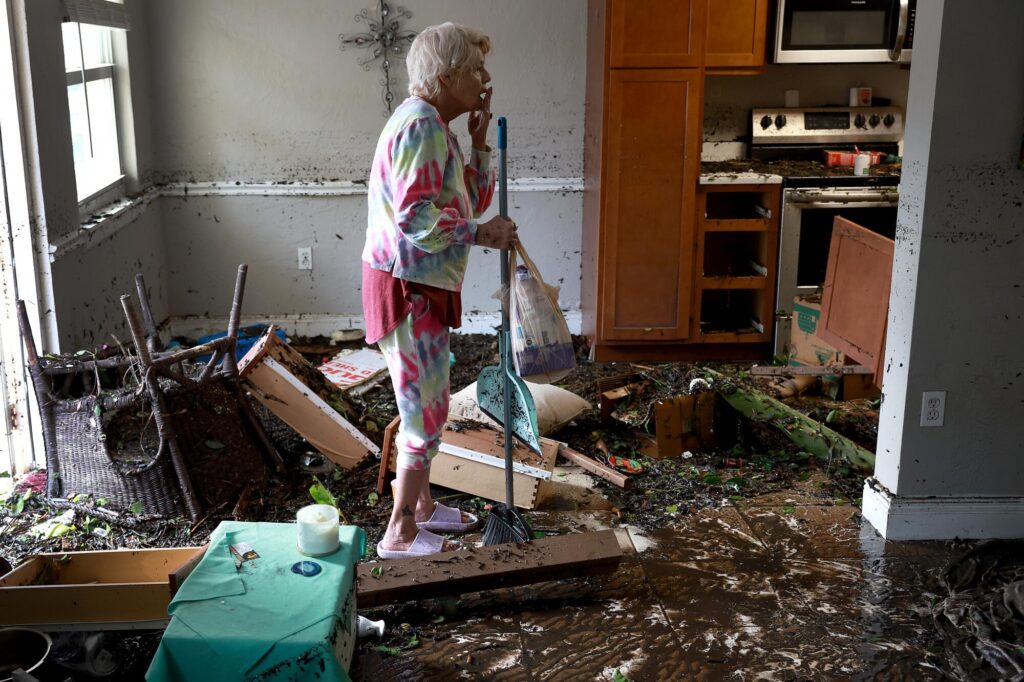
If you have ever watched a storm roll in off the Atlantic and wondered whether your homeowner’s insurance would protect you if the water got inside your home, you are not alone. Flood and water damage is one of the most common and costly concerns for homeowners across Brevard County. Whether you live near the Indian River Lagoon in Melbourne, along the beachside communities of Cocoa Beach, or in the flood-prone low-lying areas of Palm Bay, understanding your insurance coverage before disaster strikes could save you tens of thousands of dollars.
This guide breaks down everything Brevard County residents need to know about flood damage and insurance coverage in Florida, including what is typically covered, what is not, and what to do when water damage happens to your home.
The Big Misconception: Homeowner’s Insurance vs. Flood Insurance
Let us start with the single most important thing every Florida homeowner needs to understand: standard homeowner’s insurance does NOT cover flooding.
This surprises a lot of people. You pay your premium every month, you assume you are protected, and then a tropical system dumps ten inches of rain on Melbourne in six hours and your first floor is underwater. You call your insurance company and get the devastating news that flooding is excluded from your policy.
This is not a loophole or fine print trickery. It is a fundamental distinction in how insurance products are designed. Homeowner’s insurance covers sudden and accidental damage from internal sources, like a burst pipe, a washing machine overflow, or a roof leak from wind-driven rain. Flood insurance, on the other hand, covers water damage that originates from an external flooding event, such as storm surge, overflowing rivers or canals, or heavy rainfall accumulation on the ground.
In Brevard County, this distinction matters enormously. Our coastal geography, proximity to the Indian River Lagoon, and the frequency of tropical weather events make flooding a very real and recurring risk. Yet many homeowners go without flood insurance because they either do not know it is separate or assume they are too far from water to be at risk.
The reality is that FEMA estimates that more than 20 percent of flood insurance claims come from properties located outside of high-risk flood zones. Flooding does not only happen on the waterfront.
What Does Standard Homeowner’s Insurance Cover in Florida?
Before diving deeper into flood-specific coverage, it helps to understand what a standard homeowner’s insurance policy does cover when it comes to water damage.
Covered Water Damage (Typically)
Sudden and accidental internal water damage is usually covered. This includes a pipe that bursts inside your wall, a dishwasher supply line that fails, a toilet that overflows due to a mechanical failure, or a water heater that cracks and floods your utility room.
Wind-driven rain can sometimes be covered if the wind first caused structural damage to your roof or walls, allowing rain to enter. However, this is often disputed by insurers and depends heavily on the specific wording of your policy. In Florida, many policies have specific hurricane deductibles that apply separately from standard deductibles.
Fire suppression water damage from sprinklers or fire department hoses is generally covered under most standard policies.
What Is NOT Covered
Homeowner’s insurance in Florida typically excludes:
- Flooding from storms, hurricanes, or tropical systems
- Storm surge from the ocean, rivers, or the Indian River Lagoon
- Rising groundwater or saturated soil seeping into your home
- Overflow from canals, drainage ditches, or retention ponds
- Long-term seepage or water intrusion from neglected maintenance
- Mold damage that results from a covered water event that was not promptly addressed
The last point is worth noting. Even when a water event itself is covered, your insurer may deny mold remediation costs if they determine you did not take prompt action to dry out your home. This is why calling a professional restoration company immediately after any water event is so important.
Flood Insurance in Brevard County: What You Need to Know
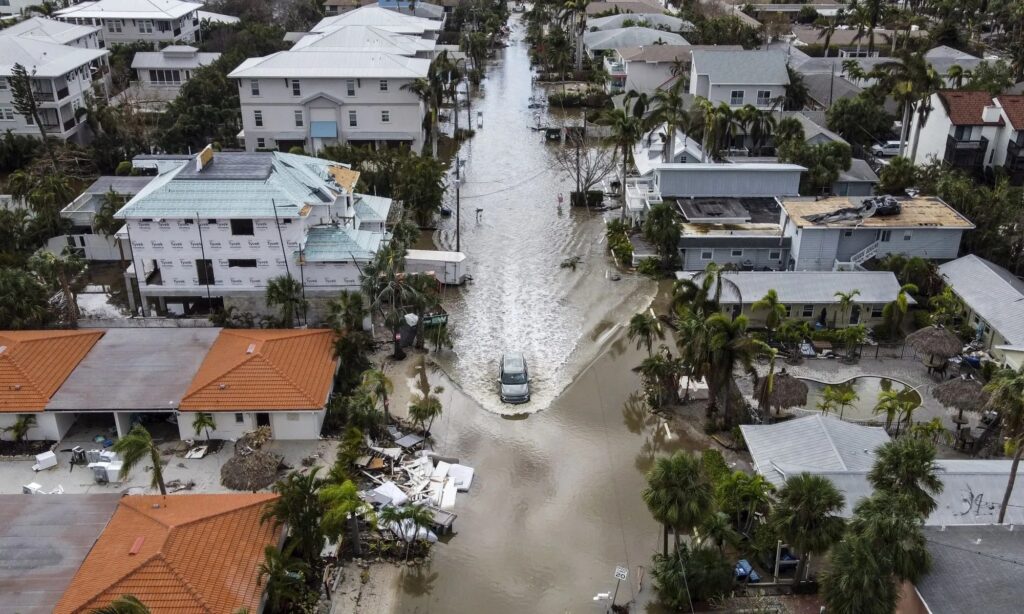
The National Flood Insurance Program (NFIP)
Most flood insurance in the United States is sold through FEMA’s National Flood Insurance Program (NFIP). Policies are purchased through participating insurance agents but are backed and administered by the federal government. For homeowners in Brevard County, this is typically the primary source of flood coverage.
NFIP flood insurance comes in two parts:
Building Coverage covers the physical structure of your home, including the foundation, walls, electrical and plumbing systems, HVAC equipment, water heaters, appliances that are built in, flooring, and cabinets. The maximum building coverage available under NFIP is $250,000 for residential properties.
Contents Coverage covers your personal belongings, including furniture, electronics, clothing, and other household items. The maximum contents coverage is $100,000. This coverage is sold separately, so you must opt into it.
Critically, NFIP policies do not cover temporary living expenses if you are displaced from your home due to flooding. They also do not cover landscaping, swimming pools, most basement contents, or currency.
Private Flood Insurance
In recent years, a growing number of private insurers have begun offering flood insurance in Florida, often with broader coverage options than the NFIP. Private flood insurance may offer:
- Higher coverage limits (important for higher-value homes)
- Coverage for additional living expenses
- Replacement cost value instead of actual cash value for contents
- Shorter waiting periods before coverage takes effect
Read Also: How Long Does Water Damage Restoration Take in Melbourne, FL in 2026?
If your home is higher in value or you want more comprehensive protection, it is worth getting quotes from both NFIP and private flood insurers and comparing the options with a licensed insurance agent familiar with Brevard County’s specific flood landscape.
The 30-Day Waiting Period
One of the most important things to know about NFIP flood insurance is the waiting period. In most cases, a new NFIP flood policy does not take effect until 30 days after you purchase it. You cannot buy flood insurance when a hurricane is already in the Gulf of Mexico and expect to be covered. Planning ahead is essential.
There are limited exceptions to the waiting period, such as when a loan is being initiated or renewed, but for most homeowners, flood insurance needs to be purchased well in advance of storm season, which in Brevard County effectively means the entire summer and fall.
Brevard County Flood Zones: Are You at Risk?
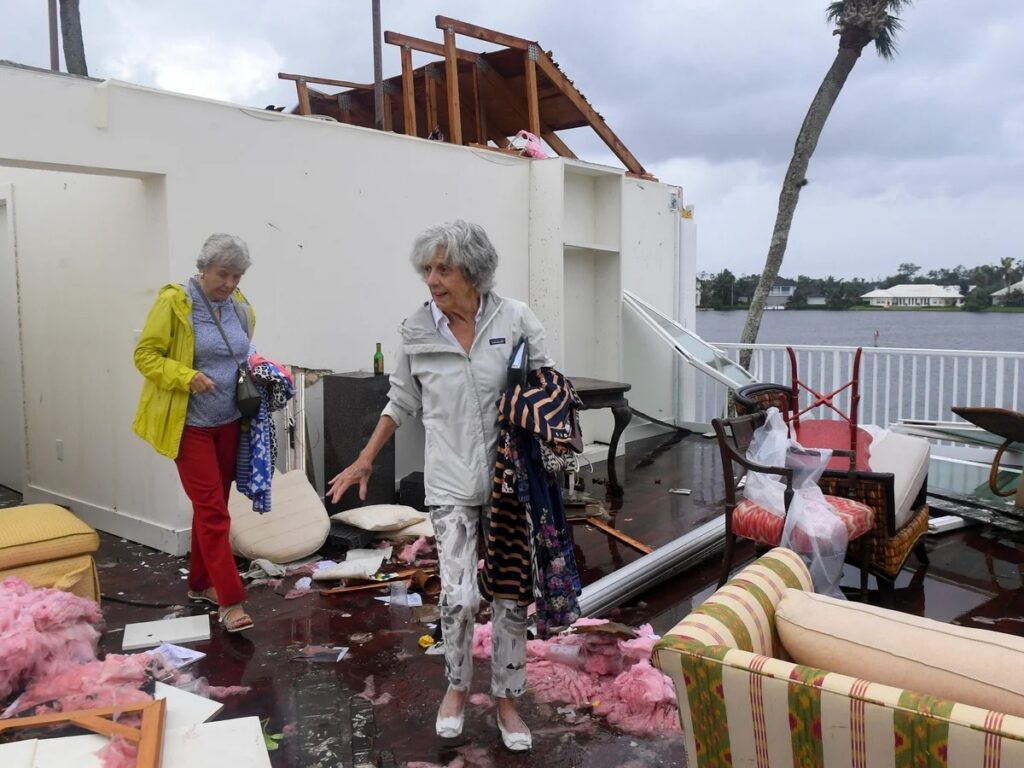
Brevard County encompasses a wide range of flood risk profiles. FEMA maintains Flood Insurance Rate Maps (FIRMs) that designate flood zones based on the statistical probability of flooding.
Zone AE and AO are high-risk areas where flood insurance is mandatory if you have a federally backed mortgage. These zones cover many areas near the Indian River Lagoon, the Banana River, and coastal communities.
Zone X (shaded) represents moderate risk, areas that fall within the 500-year floodplain. Flood insurance is not required here but is strongly recommended.
Zone X (unshaded) is considered minimal risk, but as noted earlier, flooding can and does occur here, especially during intense rainfall events.
Melbourne, Palm Bay, Cocoa, Rockledge, Titusville, and other Brevard communities all have properties scattered across multiple flood zones. The best way to know your property’s designation is to look it up using FEMA’s official Flood Map Service Center at msc.fema.gov using your property address.
Even if your home is not in a high-risk zone, consider this: the average NFIP flood insurance claim in Florida has historically been in the range of $30,000 to $50,000. Without coverage, that is entirely out of pocket.
What Happens After a Flood Event in Melbourne, FL?
When flooding damages your home, the clock starts ticking immediately. Here is what the process typically looks like.
Step 1: Ensure Safety First
Read Also: Smoke Damage Cleanup After a Small Fire: What Homeowners Miss in 2026
Do not enter a flooded home until you are certain the electrical system has been shut off and the water is not contaminated with sewage or chemicals. Floodwater in Florida can carry bacteria, raw sewage, and hazardous materials. If you are unsure, wait for professionals.
Step 2: Document Everything
Before any cleanup begins, photograph and video document every room, every item of damage, every waterline. This documentation is critical for your insurance claim. Take wide shots and close-up shots of damaged walls, flooring, furniture, and appliances.
Step 3: Contact Your Insurance Company
Notify your insurance carrier as soon as possible. If you have both a homeowner’s policy and a separate flood insurance policy, notify both companies. Your insurer will send an adjuster to assess the damage.
Step 4: Call a Professional Restoration Company
Do not wait for the insurance adjuster before starting mitigation. In fact, most insurance policies require you to take reasonable steps to prevent further damage, and waiting for an adjuster can allow mold to begin growing within 24 to 48 hours in Florida’s warm, humid climate.
A professional water damage restoration company like PuroClean of Melbourne can begin water extraction, structural drying, and moisture monitoring immediately. We work directly with insurance companies and can document our work to support your claim.
Step 5: Remediation and Restoration
Once the property is dried out and assessed, remediation of any mold or contamination takes place, followed by the restoration phase where your home is repaired and rebuilt to its pre-loss condition.
Does Hurricane Damage Fall Under Flood or Homeowner’s Insurance?
This is one of the most confusing aspects of insurance for Floridians. The answer is: it depends on the type of damage and how it occurred.
Wind damage from a hurricane, including structural damage, roof damage, and interior damage caused by wind-driven rain entering through a compromised structure, is typically covered under homeowner’s insurance, subject to your hurricane deductible. Florida law requires insurers to offer separate hurricane deductibles, which are often 2 to 5 percent of the insured value of your home rather than a flat dollar amount.
Storm surge and flooding from a hurricane, meaning water that rises from the ground up into your home due to the storm, is treated as flood damage and requires flood insurance. This is a critical distinction. Storm surge from a hurricane is flood damage, not wind damage, and will not be covered by your homeowner’s policy.
In practice, after a major storm event, disputes over what caused which damage are common. Having both homeowner’s and flood insurance, along with strong documentation, gives you the best protection and the clearest path to a full recovery.
Common Reasons Flood and Water Damage Claims Are Denied in Florida
Even when you have the right coverage, claims can still be denied or underpaid. Common reasons include:
Failure to maintain the property. If an insurer can show that your damage resulted from ongoing neglect, like a roof that had been leaking for months or a plumbing system that was visibly deteriorating, they may deny your claim.
Late reporting. Most policies require prompt notification. Waiting days or weeks to report a loss can give insurers grounds for denial.
Mold that was pre-existing. If mold existed before a covered water event, insurers may dispute the extent of covered mold remediation.
Confusion over flood vs. water damage. Filing a flood claim under a homeowner’s policy, or vice versa, can delay or derail your claim. Working with a restoration company experienced in insurance documentation can help.
Inadequate documentation. Claims without photos, receipts, or professional assessments are more vulnerable to being underpaid.
Tips for Brevard County Homeowners to Protect Themselves
- Review your policies now, not during a storm watch. Know exactly what is covered and what is not before you need to file a claim.
- Talk to a licensed Florida insurance agent who understands Brevard County flood risk. They can help you evaluate whether you need flood insurance and what level of coverage is appropriate.
- Look up your flood zone using FEMA’s Flood Map Service Center. Even if your lender does not require flood insurance, your personal risk exposure may justify purchasing it.
- Create a home inventory with photos and serial numbers of your valuables. Store it somewhere off-site or in cloud storage so you have it if your home is damaged.
- Act fast after any water event. In Florida’s climate, mold can begin growing within 24 to 48 hours. Calling a professional immediately protects both your home and your insurance claim.
- Keep records of all home maintenance. This helps demonstrate due diligence if an insurer questions whether damage resulted from neglect.
Why Brevard County Homeowners Trust PuroClean of Melbourne
At PuroClean of Melbourne, we have helped hundreds of Brevard County homeowners navigate the stressful aftermath of water and flood damage. We understand the local landscape, from the flood-prone neighborhoods near the Indian River Lagoon to the canal-side homes of Palm Bay and the beachside communities along A1A.
Read Also: What to Do After a House Flood in Brevard County (Emergency Checklist) in 2026
Our team is available 24 hours a day, 7 days a week, because water damage does not wait for business hours. We respond quickly, extract standing water, deploy industrial drying equipment, and document everything your insurance company needs to process your claim.
We work with all major insurance carriers and can help bridge the communication between you and your adjuster to make the process as smooth as possible. Our goal is not just to dry out your home. It is to restore it completely and help you get back to normal life as quickly as possible.
If you have experienced flood or water damage anywhere in Brevard County, call us immediately at (321) 378-2400. We are located at 739 North Dr, Melbourne, FL 32934, and we are always ready to help our neighbors when they need it most.
Frequently Asked Questions
Is flood damage covered by homeowner’s insurance in Florida?
No. Standard homeowner’s insurance policies in Florida do not cover flooding from external sources. A separate flood insurance policy, typically through FEMA’s National Flood Insurance Program or a private insurer, is required for flood coverage.
Do I need flood insurance if I am not in a high-risk flood zone in Brevard County?
It is not legally required unless you have a federally backed mortgage on a property in a high-risk zone, but it is strongly recommended. FEMA data shows that a significant percentage of flood claims come from properties outside high-risk zones.
How quickly does mold grow after water damage in Florida?
In Florida’s warm and humid climate, mold can begin to develop within 24 to 48 hours after water intrusion. This is why immediate professional drying and remediation is so important.
Does PuroClean of Melbourne work with insurance companies?
Yes. We work with all major insurance carriers and help document our remediation and restoration work to support your claim.
What is the phone number for PuroClean of Melbourne?
You can reach us 24 hours a day at (321) 378-2400 or by email at [email protected].
PuroClean of Melbourne serves the entire Brevard County area including Melbourne, Palm Bay, Cocoa, Rockledge, Titusville, Merritt Island, Viera, Suntree, and surrounding communities. We specialize in water damage restoration, fire damage restoration, mold remediation, and more.
Connect With Us on Social Media!
Instagram | Facebook | Direction | Check Reviews | Yelp