 PuroClean of Melbourne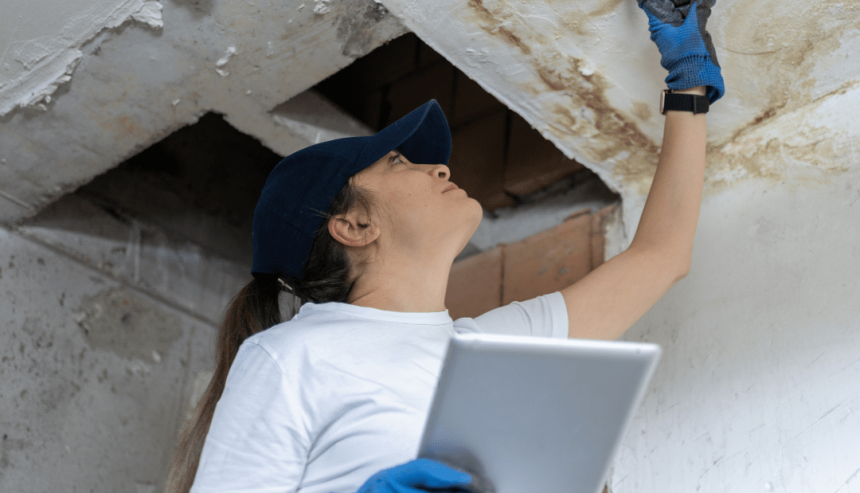
In this article:
Table of Contents
Water damage is already one of the most stressful experiences a homeowner can face. The moment you find a flooded floor, a collapsed ceiling, or a wall soaked through from a burst pipe, your mind races in a dozen directions at once. What do I do first? How bad is it? How much is this going to cost? And then, almost immediately, the question that will define your recovery: Is this covered by my insurance?
Water Damage in Melbourne, FL: Call (321) 378-2400
For Melbourne, Florida homeowners, navigating a water damage insurance claim is a process that can feel overwhelming especially in the immediate aftermath of a loss event, when you are already dealing with the physical damage, the disruption to your household, and the emotional weight of seeing your home in that condition. Insurance policies are dense and full of exclusions. Adjusters are professionals who handle these claims every day. And the decisions you make in the first 24 to 48 hours after a water loss can significantly affect the outcome of your claim.
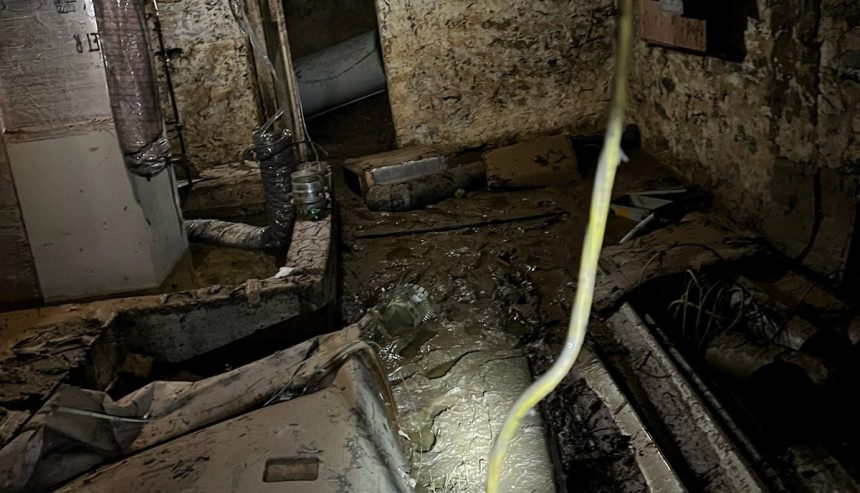
At PuroClean of Melbourne, we have walked alongside hundreds of Brevard County homeowners through the insurance claims process. We know what works, what doesn’t, what mistakes cost people thousands of dollars, and what steps protect your interests and get your home restored as quickly as possible. This guide is our effort to put everything we know into one place a clear, step-by-step roadmap that helps you navigate your claim with confidence.
One important note before we begin: this guide is intended to be informational and educational. It is not legal or insurance advice, and for specific questions about your policy or coverage, you should always consult directly with your insurance agent or a licensed public adjuster.
Understanding Florida Water Damage Coverage: What Most Homeowners Don’t Know
Before walking through the steps of filing a claim, it’s important to understand the Florida-specific insurance landscape — because it is more complicated than in most other states, and the gaps in coverage catch many homeowners completely off guard.
What Standard Homeowner’s Insurance Typically Covers
A standard Florida homeowner’s insurance policy generally covers water damage that is sudden and accidental — meaning damage that results from an unexpected event that happens all at once, rather than from a gradual process or neglect. Common examples of covered water damage events include a burst pipe, a washing machine supply line that suddenly fails, an ice maker line that ruptures, or water that enters the home as a result of a covered peril such as wind damage to the roof during a storm.
Read Also: Understanding Water Damage Insurance Coverage for California Homes
The key words here are “sudden” and “accidental.” These two criteria define the boundary between what most standard policies cover and what they don’t.
What Standard Policies Typically Do Not Cover
There are several major categories of water damage that standard homeowner’s policies in Florida routinely exclude:
- Flood damage — This is the most significant and most misunderstood exclusion. Standard homeowner’s insurance does not cover flooding caused by water entering the home from outside — including storm surge, overflowing rivers or drainage systems, and surface water accumulation from heavy rainfall. In Melbourne’s coastal and flood-prone geography, this is an enormous gap. Flood coverage requires a separate flood insurance policy, typically through the National Flood Insurance Program (NFIP) or a private flood insurer. If you do not have flood insurance and your home is flooded by an external water source, your homeowner’s policy will not respond.
- Gradual or long-term water damage — If a slow leak under a sink, a gradually failing pipe fitting, or persistent condensation has been causing water damage over weeks, months, or years, most policies will deny the claim on the grounds that the damage was not sudden and accidental and that the homeowner failed to maintain the property or address a known problem. This exclusion is frequently cited in Florida claim denials, and it is why addressing any signs of moisture or slow leaks promptly is so important.
- Sewer and drain backup — Water that backs up through drains, toilets, or sewer lines is excluded from most standard policies unless you have specifically purchased a sewer backup endorsement. In Melbourne, where heavy rainfall can overwhelm drainage systems and cause backups in residential plumbing, this endorsement is worth considering.
- Mold resulting from unaddressed water damage — Many Florida policies exclude mold remediation costs for mold that resulted from a water loss that was not promptly reported and mitigated. This is another reason why speed matters enormously after a water loss event.
Understanding your specific policy’s coverage terms before a loss event is ideal. If you haven’t reviewed your policy recently, this guide is a good prompt to do so.
Step 1: Stop the Water Source and Ensure Safety
Before you call your insurance company, before you take a single photograph, the very first action after discovering water damage is to stop the water if it is still flowing and ensure your household is safe.
If the source is a plumbing failure — a burst pipe, a failed appliance connection, or an overflowing fixture — locate your home’s main water shutoff valve and turn off the water supply to the entire house. In Melbourne homes, this valve is typically located at the water meter, near the front of the property, or in a utility area near where the main supply line enters the home. If you don’t know where your main shutoff is, find it now — before an emergency occurs.
If the water source is roof damage from a storm, moving water away from the interior may require temporary patching or tarping of the damaged area. Do not go onto a damaged roof in unsafe conditions. If the source is an active storm that is still producing water intrusion, prioritize moving valuables and furniture away from the affected area and wait for conditions to improve before attempting temporary repairs.
Safety also means being aware of electrical hazards. Water and electricity are a lethal combination. If water has reached electrical outlets, panels, or appliances, do not enter the affected area until you have shut off power at the breaker box or until a licensed electrician has confirmed it is safe to do so.
Once the water source is stopped and the area is safe, the mitigation and documentation process begins.
Step 2: Document Everything — Thoroughly and Immediately
Your documentation is the foundation of your insurance claim. The more thorough, detailed, and timestamped your documentation is, the stronger your claim position. Insurance adjusters work from documentation, and gaps in your record of the damage can result in claim denials or underpayment.
Document the damage before any cleanup or mitigation begins — this is critical. Once you start moving furniture, pulling up carpet, or running fans, the original condition of the damage begins to change. Your documentation needs to capture what it looked like before any of that happened.
Use your smartphone to take photographs and video of every affected area. Photograph the water source itself if it is visible. Document standing water levels, wet materials, damaged personal property, and any structural damage. Walk through the entire affected area on video, narrating what you are seeing and noting the date and time. Take close-up photos of specific damage points as well as wide-angle shots that show the context and extent of the affected area.
Beyond visual documentation, write down a detailed description of what happened: when you discovered the damage, what you observed, what steps you took, and when you took them. Note the time and date of every action. If you spoke with a plumber, contractor, or restoration company before filing your claim, note those interactions as well. This written record will be invaluable if there are any disputes later about the timeline of events.
If you have receipts, manuals, or records for damaged appliances or personal property, locate and document those as well. A pre-loss home inventory — photographs or video of your home’s contents and their condition before any damage occurred — is the gold standard for personal property claims, which is why maintaining one is strongly recommended even when everything is fine.
Step 3: Contact Your Insurance Company and File Your Claim Promptly
Florida law requires homeowners to report insurance claims promptly, and most policies contain specific reporting requirements. Delaying your claim report can give the insurance company grounds to question whether the damage was truly sudden and accidental or to argue that the delayed reporting prevented timely mitigation, potentially increasing the scope of damage. Report your claim as quickly as possible — ideally within 24 hours of discovering the damage.
When you contact your insurance company, have the following information ready: your policy number, the date and time the damage was discovered, a brief description of what happened and the source of the damage, the areas of your home affected, and any emergency mitigation steps you have already taken. You will be assigned a claim number and, typically, an adjuster who will be responsible for evaluating your claim.
Read Also: Navigating Water Damage Insurance Claims: A Step-by-Step Guide for Homeowners
Keep a detailed log of every communication with your insurance company from this point forward. Record the date, time, the name of the person you spoke with, and a summary of what was discussed. Follow up verbal conversations with written confirmation where possible — email is particularly useful because it creates a timestamped record. This log will protect you if there are later disputes about what was communicated or agreed upon.
Be factual and precise when describing the damage to your insurer. Do not speculate about causes or make statements about coverage that is for the adjuster to determine. Simply describe what happened and what you observed as accurately as possible.
Step 4: Begin Emergency Mitigation: But Document First
Here is a place where many homeowners make a costly mistake: they either begin mitigation too aggressively before documenting properly, or they wait too long to begin mitigation out of concern about the claim, allowing damage to worsen significantly in the interim.
Florida insurance policies like most homeowner’s policies nationally include a duty to mitigate provision, which requires the policyholder to take reasonable steps to prevent further damage after a covered loss. Failure to mitigate can give an insurer grounds to deny or reduce the portion of the claim attributable to damage that could have been prevented.
In practical terms, this means that once you have documented the original damage condition, you should begin emergency mitigation promptly. This includes removing standing water using wet vacuums or pumps, moving undamaged furniture and belongings out of the affected area, beginning the drying process with fans and dehumidifiers, removing saturated carpet and padding that cannot be salvaged, and applying temporary protective measures to prevent additional water entry.
Importantly, save everything you remove. Damaged materials carpet, padding, drywall sections, damaged personal property should not be discarded without your adjuster’s approval, as they may need to physically inspect damaged items as part of the claims evaluation. If materials must be removed for safety or sanitation reasons before the adjuster visits, document them extensively with photographs before removal and set them aside where possible.
When you call a professional water damage restoration company like PuroClean of Melbourne, our technicians document the damage condition at the time of arrival before beginning mitigation work, and we maintain detailed records of all work performed, moisture readings taken, and equipment deployed throughout the drying process. This documentation supports your insurance claim and provides the adjuster with the professional documentation they need to evaluate the scope of the loss.
Step 5: Meet the Insurance Adjuster: and Know Your Rights
After you file your claim, the insurance company will assign an adjuster to inspect the damage and prepare an estimate of the covered loss. This inspection is one of the most important steps in the entire claims process, and how you handle it significantly affects your outcome.
The insurance adjuster works for the insurance company. Their role is to evaluate the damage objectively and determine what the policy covers but they are employed by or contracted to your insurer, and their estimates sometimes reflect that relationship. This is not an accusation of bad faith; the vast majority of adjusters perform their jobs professionally and honestly. It is simply a fact about the dynamic that you should be aware of.
Be present during the adjuster’s inspection. Walk through every affected area with the adjuster and point out all damage, including damage that may not be immediately obvious saturated wall cavities, wet subfloor beneath flooring materials, moisture in ceiling insulation, and HVAC components that may have been affected. If your restoration company is already on-site, their technicians can participate in the walkthrough and provide professional documentation and moisture readings to support the scope of damage.
In Florida, you have the right to hire a licensed public adjuster to represent your interests in the claims process. A public adjuster works for you not the insurance company and is paid a percentage of the final claim settlement. If your claim is complex, if the insurance company’s initial estimate seems significantly lower than the actual scope of damage, or if you are having difficulty with the claims process, a public adjuster can be a valuable advocate. Ask your restoration company for a referral to a reputable public adjuster if you feel you need one.
You also have the right to request a re-inspection or to dispute the adjuster’s findings through the appraisal process outlined in your policy if you believe the initial estimate is inaccurate or incomplete.
Step 6: Review the Adjuster’s Estimate Carefully
Once the adjuster completes their inspection, they will prepare a written estimate of the covered damage. Review this document carefully — line by line if necessary — before accepting it as the basis for your claim settlement.
Common issues to watch for in adjuster estimates include: items that were observed and documented but omitted from the estimate, scope of work that addresses surface damage but not underlying structural damage that moisture meters confirm is present, depreciation calculations that significantly reduce the actual cash value of damaged materials, and exclusions that may be disputed based on the specific facts of your loss event.
Compare the adjuster’s estimate against any estimates you have received from your restoration contractor. Significant discrepancies in scope should be investigated and, if warranted, formally disputed. Your restoration contractor’s documentation — moisture readings, photographs, and detailed scope of work — can support your position if you believe the adjuster’s estimate undercounts the actual damage.
Do not accept a settlement that you believe is insufficient to cover the actual cost of restoring your home to its pre-loss condition. You have the right to negotiate, dispute, and appeal under the terms of your policy.
Step 7: Work With a Trusted Restoration Partner Throughout the Process
One of the best decisions a Melbourne homeowner can make after a water loss is to engage a reputable, experienced restoration company early — not just for the physical work, but as a partner in the claims process.
At PuroClean of Melbourne, we have extensive experience working with insurance companies on behalf of our clients throughout Brevard County. We understand what adjusters need to see, how to document damage in a way that supports a complete and accurate claim, and how to communicate effectively with insurers to ensure the full scope of damage is recognized and properly compensated.
Our water damage restoration services include emergency water extraction, structural drying using professional-grade equipment calibrated to Florida’s specific climate conditions, mold testing and remediation where moisture intrusion has created mold risk, and coordination of repairs and reconstruction to restore your home to its pre-damage condition. We maintain detailed documentation of every step of the process and provide your insurance adjuster with the professional records they need to evaluate your claim accurately.
We are available 24 hours a day, 7 days a week, and we respond rapidly to water damage emergencies throughout Melbourne, Palm Bay, Viera, Cocoa Beach, Titusville, and the surrounding Brevard County communities. When you call PuroClean of Melbourne, you are not just getting a restoration crew — you are getting a team that knows the insurance process and will work alongside you from the first emergency call through final claim settlement.
Common Claim Mistakes Melbourne Homeowners Make — and How to Avoid Them
After working alongside dozens of insurance claims each year, we see the same mistakes repeatedly. Avoiding these can save you thousands of dollars and weeks of frustration.
Waiting too long to file is one of the most common and costly errors. Florida’s insurance environment has become increasingly strict about reporting timelines, and delayed claims invite scrutiny about when the damage actually occurred and whether it was truly sudden and accidental. File immediately. Throwing away damaged materials before the adjuster inspects them is another frequent mistake. Even if something is clearly damaged beyond repair, document it thoroughly and retain it until the adjuster has had the opportunity to inspect it or has explicitly approved its disposal.
Accepting the first settlement offer without reviewing it carefully costs many homeowners significant money. Insurance companies are not infallible, and initial estimates are sometimes incomplete. Review every line, compare it against your contractor’s scope, and dispute discrepancies you can document. Attempting to handle restoration yourself to save money is also a mistake that frequently backfires — both because DIY restoration rarely achieves the standard of drying and remediation required to prevent mold growth, and because undocumented DIY work provides poor support for the insurance claim.
Finally, failing to address the source of the water loss before completing repairs is a mistake that leads to repeat damage, repeat claims, and policy non-renewal. Fix what caused the problem — whether that means replacing an aging pipe, re-roofing a damaged section, or improving drainage around the foundation — before closing out the claim and finishing repairs.
Final Thoughts: Knowledge Is Your Best Protection
A water damage event in your Melbourne home is stressful enough without also feeling lost in the insurance process. The steps outlined in this guide — stopping the source, documenting thoroughly, filing promptly, mitigating carefully, engaging professionally with the adjuster, and reviewing your settlement critically — give you the best possible foundation for a successful claim outcome.
You don’t have to navigate this alone. PuroClean of Melbourne is here not just to restore your home, but to be your knowledgeable partner through every step of the recovery process. From the first emergency call to the final walkthrough, we are on your side.
Call us any time — day or night. We are ready.
PuroClean of Melbourne
Water, Fire & Mold Remediation | Available 24/7
📍 739 North Dr, Melbourne, FL 32934
📞 (321) 378-2400
🌐 puroclean.com/melbourne-fl-puroclean-melbourne
✉️ [email protected]
Connect With Us on Social Media!
Instagram | Facebook | Direction | Check Reviews | Yelp

 PuroClean of Melbourne