


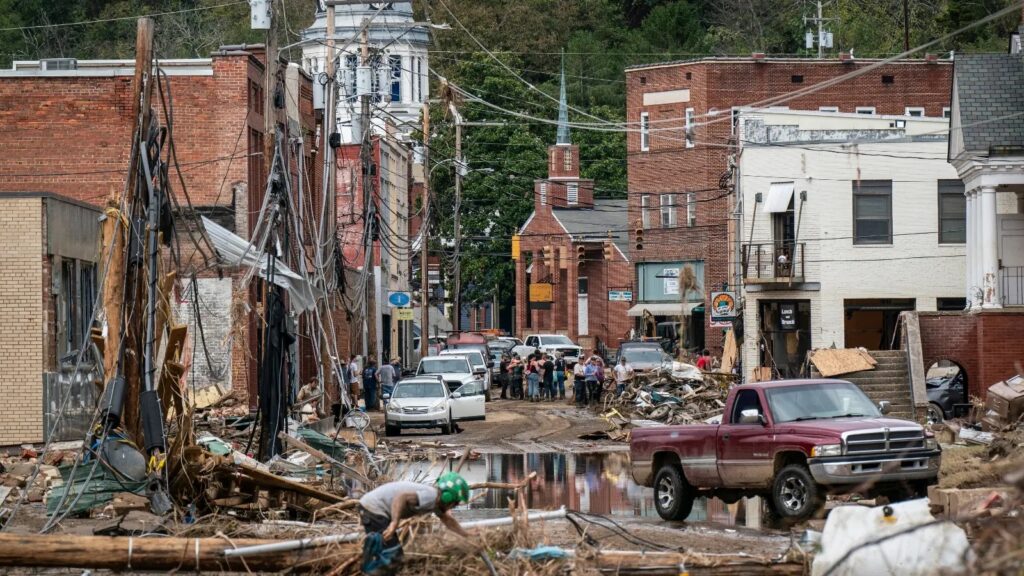
Hurricane Helene made landfall as a powerful Category 4 storm on September 26, 2024, bringing tropical storm-force winds, heavy rainfall, and tornado warnings to Melbourne and Brevard County. While the Space Coast was spared the catastrophic damage seen in Florida’s Big Bend region and the southern Appalachians, many Melbourne homes experienced wind damage, water intrusion, and landscape destruction. Now, as we approach December’s winter storm season, it’s critical that homeowners complete their post-Helene cleanup and prepare for the next weather event.
Flood Cleanup and Water Damage Restoration in Melbourne, FL
At PuroClean of Melbourne, we responded to dozens of Helene-related damage calls throughout Brevard County. We’ve seen firsthand how incomplete storm cleanup creates cascading problems when the next storm arrives. This comprehensive guide will help you assess lingering damage from Helene, complete necessary repairs before December, and prepare your home for Florida’s active winter weather season.
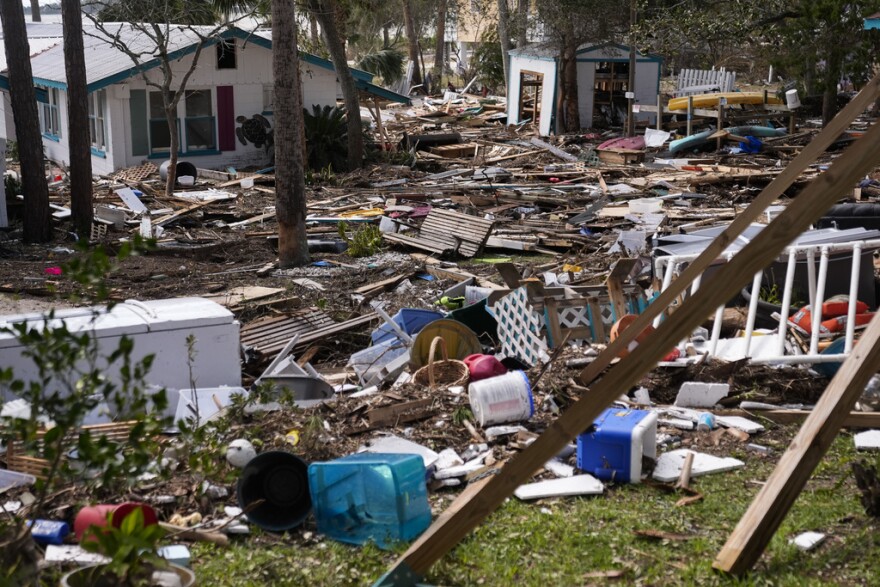
Understanding Helene’s Impact on Melbourne
While Melbourne avoided a direct hit, Helene brought tropical storm-force winds with gusts reaching 40-55 mph, 2-4 inches of rain with localized flooding, and an increased risk of tornadoes to Brevard County. The storm’s massive size meant its effects were felt far beyond the landfall zone.
Common Damage in Melbourne Area:
- Roof damage from wind and flying debris
- Downed trees and large branches on structures
- Clogged gutters and drainage systems from storm debris
- Water intrusion through compromised building envelopes
- Fence and screen enclosure damage
- Pool cage destruction or damage
- Landscape irrigation system damage
- Standing water in low-lying areas
- Minor flooding in poorly drained properties
Even if your home appeared to weather the storm well, hidden damage may exist. Problems that seem minor now can become major issues when December storms arrive, especially if unaddressed water intrusion has created conditions for mold growth in Florida’s humid environment.
Hurricane Helene updates: Death toll surpasses 230 as rescue efforts continue – ABC News
Critical Inspection Areas for Post-Helene Damage
Before December’s weather patterns bring additional rain and potential storm systems, conduct a thorough inspection of your property. Some damage is obvious, but much is hidden and will worsen over time.
Roof and Attic Assessment
Your roof is your home’s first line of defense against weather. Helene’s winds may have caused damage that isn’t immediately visible from the ground.
Exterior Roof Inspection:
- Look for missing, lifted, or damaged shingles
- Check for displaced ridge caps along roof peaks
- Examine flashing around chimneys, vents, and roof valleys
- Inspect soffit and fascia for wind damage or separation
- Look for granule loss on shingles (indicates accelerated aging)
- Check for dents or damage to metal roof components
- Note any sagging or uneven areas
Attic Inspection:
- Look for water stains on roof decking or rafters
- Check insulation for moisture or compression
- Examine for daylight visible through the roof
- Look for new or worsened ventilation issues
- Check for signs of animal entry through storm damage
- Inspect structural members for stress or damage
Why This Matters: Small roof breaches allow water entry during rain events. In December, when multiple storm systems can pass through within days or weeks, minor leaks become major water damage. Moisture in attics creates perfect conditions for mold, which can develop within 24-48 hours in Florida’s climate.
Gutters and Drainage Systems
Clogged or damaged gutters cause water to overflow and infiltrate your home’s structure, leading to foundation issues, siding damage, and interior water intrusion.
Gutter System Check:
- Remove all leaves, branches, and storm debris
- Check for sections pulled away from the fascia
- Look for sagging or improperly pitched sections
- Verify all gutter seams are intact and sealed
- Ensure downspouts are firmly attached
- Check that downspout extensions direct water 5+ feet from foundation
- Verify underground drainage systems aren’t clogged
French Drains and Swales:
- Clear vegetation and debris from drainage channels
- Ensure proper grade and water flow direction
- Check for erosion or washout that needs repair
- Verify outlet points aren’t blocked
Foundation Drainage:
- Inspect the grade around your foundation (should slope away)
- Look for new erosion patterns or settling
- Check for standing water near the foundation after rain
- Ensure landscape drains are clear and functional
Hurricane Helene could cost $200 billion. No one knows who’ll pay
December Concern: Florida’s winter can bring multiple rain events in quick succession. Compromised drainage systems will cause water to pool against your foundation or infiltrate your home during these periods.
Windows and Doors
Wind-driven rain can exploit small gaps around windows and doors, causing interior water damage that may not be immediately apparent.
Window Inspection:
- Check all window seals and caulking for gaps or deterioration
- Look for cracked or broken glass
- Test window operation (damaged frames may prevent proper closing)
- Inspect for water stains on walls beneath windows
- Check for condensation between double-pane glass (indicates seal failure)
- Examine window trim for separation or damage
Door Assessment:
- Check all exterior door seals and weatherstripping
- Look for gaps at door bottoms where water can enter
- Test door operation and latch function
- Inspect door frames for damage or separation
- Check threshold seals and drain holes
- Examine garage doors for damage or seal failure
Sliding Glass Doors:
- Check tracks for debris or damage
- Ensure proper sealing when closed
- Look for water stains on frames or adjacent flooring
- Test locking mechanisms
Siding and Exterior Walls
Your home’s exterior envelope protects against water intrusion. Storm damage can compromise this critical barrier.
Siding Inspection:
- Look for cracked, loose, or missing siding panels
- Check for impact damage from flying debris
- Examine all seams and joints for separation
- Look for water stains or discoloration
- Check corners and edges where siding meets trim
- Inspect caulking around penetrations (electrical boxes, hose bibs, etc.)
Stucco Homes (Common in Melbourne):
- Look for new cracks or widening of existing cracks
- Check for areas where stucco has separated from substrate
- Look for water stains or efflorescence (white residue)
- Tap suspected areas gently to listen for hollow sounds
- Examine expansion joints and control joints
Paint and Finish:
- Check for peeling or blistering paint (indicates moisture)
- Look for new areas of mildew or algae growth
- Examine caulking around windows, doors, and trim
Pool Cages and Screen Enclosures
Melbourne’s pool cages and lanai screen enclosures are particularly vulnerable to wind damage.
Structural Assessment:
- Check all screen panels for tears or separation
- Inspect aluminum framing for bends or breaks
- Look for loose or missing fasteners
- Examine connections between frame sections
- Check anchor points to the house and slab
- Look for shifted or tilted posts
Immediate Action Required: Damaged screen enclosures create flying debris hazards in future storms. Loose panels or structural damage should be addressed immediately, as December storms can turn minor damage into catastrophic failure.
Trees and Landscaping
Helene’s winds damaged countless trees throughout Brevard County. Weakened trees pose ongoing risks.
Tree Hazard Assessment:
- Look for broken or hanging branches (widow makers)
- Check for splits in trunks or major limbs
- Examine trees leaning toward structures
- Look for exposed or lifted roots
- Check for signs of rot or disease in damaged areas
- Note trees with significant bark damage
Professional Evaluation Needed: If you have large trees near your home with significant damage, hire a certified arborist for assessment. Trees that survived Helene may fail in December storms due to compromised structural integrity.
Landscaping Drainage:
- Check for new low spots where water collects
- Look for erosion around foundation plantings
- Verify irrigation systems haven’t been damaged or shifted
- Ensure yard drainage still flows properly
Hurricane Helene [2024 Facts and Info]
Hidden Water Damage from Helene
Many Melbourne homeowners don’t realize they have water damage until mold appears or structural problems become obvious. Helene occurred over two months ago, giving hidden moisture plenty of time to cause problems.
Signs of Hidden Water Damage
Inside Your Home:
- Musty odors in rooms, closets, or cabinets
- New or worsening mildew in bathrooms or kitchens
- Peeling or bubbling paint on walls or ceilings
- Warped or buckling flooring
- Water stains on ceilings or walls
- Soft spots in walls when pressed
- Increased humidity levels
- Condensation on windows
- Allergic symptoms that developed after the storm
Structural Indicators:
- Doors that suddenly stick or don’t close properly
- Windows that are difficult to open or close
- New cracks in walls or ceilings
- Separating trim or molding
- Bouncy or soft spots in flooring
In Crawl Spaces or Under Raised Homes:
- Standing water or wet soil
- Musty smells
- Visible mold on joists or subflooring
- Rusted fasteners or metal components
- Deteriorating insulation
Why Immediate Action Is Essential
Florida’s climate accelerates water damage progression:
Mold Timeline:
- 24-48 hours: Mold spores begin colonizing damp materials
- 3-7 days: Visible mold growth appears on porous surfaces
- 1-2 weeks: Extensive mold colonies develop, affecting air quality
- 2-4 weeks: Structural materials begin degrading
- Beyond 4 weeks: Serious structural damage and health hazards
If Helene occurred in late September and you’re reading this in early December, any unaddressed water intrusion has had 8-10 weeks to cause mold growth and structural damage. With December storms approaching, this existing damage will worsen significantly.
Essential Repairs Before December Storms
Based on your inspection findings, prioritize repairs that protect against water intrusion and structural failure.
Priority 1: Emergency Repairs (Do Immediately)
Critical Roof Damage:
- Missing shingles exposing roof decking
- Damaged flashing around penetrations
- Obvious holes or gaps in the roof
- Severely damaged soffit or fascia
Structural Hazards:
- Trees or branches touching the house
- Dangerously leaning trees near structures
- Damaged pool cage structure threatening to collapse
- Compromised screen enclosure panels
Active Water Entry:
- Leaking windows or doors
- Failed seals allowing ongoing water intrusion
- Compromised siding with visible moisture
- Non-functional gutters causing foundation water
Why This Can’t Wait: December storms will exploit every weakness. Emergency repairs prevent catastrophic damage when the next weather system arrives.
Priority 2: Preventive Repairs (Complete This Month)
Roof Maintenance:
- Replace all damaged or missing shingles
- Repair or replace damaged flashing
- Reseal vents and penetrations
- Address minor soffit or fascia damage
- Clean and repair gutters
Drainage Solutions:
- Restore proper yard grading
- Repair damaged French drains or swales
- Clear and repair downspout systems
- Address foundation drainage issues
- Fix landscape irrigation damage
Exterior Envelope:
- Recaulk windows and doors
- Replace damaged weatherstripping
- Repair siding damage
- Seal stucco cracks
- Paint areas with compromised finishes
Screen Enclosures:
- Replace torn screen panels
- Repair structural frame damage
- Secure loose fasteners
- Replace missing or damaged hardware
Priority 3: Deferred Maintenance (Plan for January-March)
Non-Critical Improvements:
- Cosmetic landscape repairs
- Non-structural tree trimming
- Fence repairs (if not hazardous)
- Pool equipment not affecting drainage
- Interior cosmetic repairs from minor leaks
Professional Water Damage Assessment
If you suspect hidden water damage from Helene, professional assessment can prevent serious problems before December storms arrive.
When to Call PuroClean of Melbourne
Immediate Professional Help Needed:
- Visible mold growth anywhere in your home
- Persistent musty odors that won’t resolve
- Water stains on ceilings or walls
- Warped or damaged flooring
- Structural changes after the storm
- Ongoing moisture issues despite apparent repairs
- Health symptoms (respiratory issues, allergies) since the storm
What Professional Assessment Includes
Advanced Detection Technology:
- Thermal imaging to detect hidden moisture in walls and ceilings
- Moisture meters to measure water content in building materials
- Hygrometers to assess humidity levels throughout the home
- Infrared cameras to identify thermal anomalies indicating moisture
Comprehensive Inspection:
- Visual assessment of all accessible areas
- Documentation with photos and detailed reports
- Identification of all moisture sources
- Assessment of mold growth risk or presence
- Structural damage evaluation
- Air quality concerns
Restoration Planning:
- Detailed scope of necessary work
- Timeline for completion before December weather
- Coordination with insurance companies
- Cost estimates and payment options
- Emergency services if immediate action needed
December Weather Patterns in Melbourne
Understanding what December typically brings to the Space Coast helps you prepare appropriately.
Typical December Weather
Melbourne’s December averages 72.5°F high and 63°F low temperatures, with approximately 10.6 rainfall days accumulating about 0.94 inches of precipitation, though individual storm systems can bring much more.
Winter Storm Characteristics:
- Cold fronts bringing heavy rain bands
- Severe thunderstorms with damaging winds
- Occasional tornado warnings
- Extended periods of rain from stalled fronts
- Strong wind gusts during front passages
- Potential for rare freeze events
Why December Storms Are Different
Compared to Summer:
- December storms often involve cold fronts with sustained rain
- Storm systems can linger for days rather than hours
- Wind directions change during frontal passage, testing different areas of your home
- Cooler temperatures mean slower drying times if water enters
- Multiple storms can occur within days of each other
Vulnerability Factor: Homes weakened by Helene face much greater risk during December storms. Damage that allowed minor water entry in September will allow major infiltration in December when rain may persist for hours or days.
Mold Prevention and Remediation
If you discover mold growth from Helene-related water damage, address it before December storms add more moisture.
DIY Mold Handling (Small Areas Only)
Safe for Homeowners:
- Mold patches smaller than 10 square feet
- Surface mold on non-porous materials
- No health conditions affected by mold exposure
- Proper protective equipment available
Safe Cleaning Process:
- Wear N95 respirator, goggles, and gloves
- Isolate affected area with plastic sheeting
- Use detergent and water or specialized mold cleaner
- Never use bleach on porous materials (it doesn’t penetrate)
- Dry completely with fans and dehumidifiers
- Dispose of porous materials with heavy mold growth
Professional Mold Remediation Required
Call PuroClean Immediately:
- Mold growth exceeding 10 square feet
- Mold on porous materials (drywall, insulation, wood)
- Mold in HVAC systems or ductwork
- Hidden mold detected by odor but not visible
- Anyone in home has respiratory conditions or weakened immunity
- Water damage involving sewage or contaminated water
- Recurring mold despite cleaning attempts
Why Professional Remediation Matters
Proper Containment:
- Prevents spore spread to unaffected areas
- Uses negative air pressure and HEPA filtration
- Protects occupants from exposure
Complete Removal:
- Identifies and removes all affected materials
- Treats structural components properly
- Addresses moisture source, not just symptoms
- Prevents future growth
Health Protection:
- Mold produces mycotoxins harmful to health
- Disturbing colonies during DIY cleaning releases millions of spores
- Professional protocols minimize exposure
- Post-remediation air quality testing ensures safety
Insurance Considerations
Many homeowners don’t realize they have insurance coverage for storm damage or water intrusion.
Document Everything
Before making repairs or cleanup:
- Photograph all damage from multiple angles
- Video walk-throughs showing extent of issues
- Save samples of damaged materials if possible
- Keep all receipts for emergency repairs
- Document communication with contractors
- Note dates when damage was discovered
When to File Claims
File Immediately:
- Major roof damage
- Structural damage
- Significant water intrusion
- Mold growth from storm-related water
- Screen enclosure or pool cage destruction
- Multiple damaged systems or areas
Consider Deductibles:
- Small repair costs below deductible may not be worth filing
- Multiple small issues combined may exceed deductible
- Consider future insurability when filing minor claims
Working with Adjusters
Homeowner Rights:
- You can hire public adjusters to represent your interests
- You can get second opinions on damage estimates
- You have time to properly document losses
- You can dispute inadequate settlement offers
PuroClean’s Role:
- We provide detailed documentation for insurance
- We work directly with adjusters when requested
- We provide estimates based on industry standards
- We help navigate the claims process
Emergency Preparedness for December
With Helene’s cleanup addressed, prepare specifically for December weather patterns.
Storm Supply Kit Updates
Post-Hurricane Assessment:
- Replace supplies used during Helene
- Check batteries in flashlights and radios
- Verify generator fuel is fresh (degrades over time)
- Restock first aid supplies
- Replace any damaged emergency equipment
December-Specific Additions:
- Battery-powered or hand-crank weather radio
- Extra batteries (cold weather reduces battery life)
- Waterproof storage for important documents
- Contact list for emergency contractors
- List of medications for all family members
- Pet supplies for several days
Home Hardening
Lessons from Helene:
- Which areas of your home proved vulnerable?
- What preventive measures would have helped?
- Which trees or landscape features pose ongoing risks?
- What drainage improvements are needed?
Improvements Before Next Storm:
- Install hurricane shutters or impact windows
- Reinforce garage doors (wind entry point)
- Secure or remove potential projectiles
- Trim branches away from structures
- Improve property drainage
- Consider backup power solutions
- Install smart water leak detectors
Communication Plans
Family Emergency Plan:
- Designated meeting location if separated
- Out-of-area contact person
- Plan for pets and service animals
- Special needs accommodations
- Important documents in waterproof container
Contractor Contact List:
- Roofing company (save from any Helene repairs)
- Plumber for water emergencies
- Electrician for power issues
- Tree service for fallen trees or hazards
- PuroClean of Melbourne: [phone number] for water, fire, or mold emergencies
Dozens dead, millions without power after Helene’s deadly march across southeast
When to Evacuate for December Storms
While Melbourne rarely requires evacuation for December weather, severe storm systems can create dangerous conditions.
Evacuation Triggers
Mandatory Evacuation Ordered:
- Follow all evacuation orders immediately
- These are issued only when life safety is at risk
- Don’t wait; roads may flood or become blocked
Consider Voluntary Evacuation:
- Your home sustained significant Helene damage not yet fully repaired
- You have medical conditions requiring electricity
- You live in a mobile home or manufactured housing
- Your property is prone to flooding
- Large trees damaged by Helene threaten your home
- You have elderly family members or young children
Securing Your Home
Before Leaving:
- Turn off main water supply to prevent flood damage
- Shut off gas if applicable
- Unplug electronics to prevent surge damage
- Move valuables to upper floors if flooding possible
- Take irreplaceable items (photos, documents, medications)
- Secure or bring in all outdoor items
- Photograph your home for insurance if damage occurs
The Path Forward: Comprehensive Storm Preparedness
Helene taught Melbourne homeowners important lessons about storm preparedness and the importance of addressing damage promptly.
Long-Term Home Resilience
Building Envelope Upgrades:
- Consider impact-resistant windows and doors
- Upgrade to better roofing materials at replacement
- Improve attic ventilation to reduce moisture
- Install proper drainage systems
- Use weather-resistant siding materials
Landscape Management:
- Remove or heavily trim trees threatening structures
- Choose storm-resistant tree species for new plantings
- Maintain trees regularly to prevent storm damage
- Design landscaping to enhance drainage
- Avoid planting large trees near homes
Insurance Protection:
- Review coverage annually
- Photograph home and contents regularly
- Keep insurance documents in waterproof, portable storage
- Understand your policy limits and deductibles
- Consider flood insurance if in vulnerable areas
- Document home improvements that may increase value
Community Resources
Brevard County Emergency Management:
- Sign up for Alert Brevard emergency notifications
- Text BREVARDEOC to 888777 for updates
- Follow @BrevardEOC on social media
- Attend community preparedness events
- Know your evacuation zone
Local Weather Information:
- National Weather Service Melbourne: weather.gov/mlb
- Local news stations for detailed forecasts
- NOAA Weather Radio for alerts
- Weather apps with push notifications for warnings
PuroClean of Melbourne: Your Storm Recovery Partner
At PuroClean of Melbourne, we’ve helped countless Brevard County homeowners recover from Helene and prepare for future storms. We understand the stress and urgency of storm damage, and we’re committed to providing fast, professional restoration services.
Our Comprehensive Services
Emergency Response:
- 24/7 availability for urgent situations
- Rapid response throughout Melbourne and Brevard County
- Immediate water extraction and drying
- Emergency board-up and tarping
- Temporary power and climate control
Water Damage Restoration:
- Complete moisture removal using industrial equipment
- Structural drying and dehumidification
- Thermal imaging to find hidden moisture
- Mold prevention treatments
- Content pack-out and storage
- Complete reconstruction services
Mold Remediation:
- Professional mold assessment
- Proper containment and removal
- HEPA air filtration during remediation
- Treatment of structural components
- Post-remediation air quality testing
- Prevention strategies
Storm Damage Services:
- Wind and rain damage assessment
- Roof tarping and temporary repairs
- Tree debris removal coordination
- Insurance documentation assistance
- Complete property restoration
Why Choose PuroClean of Melbourne
Local Expertise:
- Deep understanding of Florida storm damage
- Experience with Melbourne’s specific challenges
- Knowledge of local building codes and requirements
- Established relationships with area contractors
Insurance Partnership:
- Direct insurance company coordination
- Detailed documentation for claims
- Fair and accurate estimates
- Streamlined claims process assistance
Quality Commitment:
- Certified technicians with ongoing training
- State-of-the-art equipment and techniques
- Comprehensive project management
- Transparent communication throughout
Customer Focus:
- Compassionate approach during stressful times
- Respect for your home and belongings
- Flexible scheduling and rapid response
- Satisfaction guaranteed
Take Action Today
Don’t wait for December storms to expose damage from Helene. Schedule your property inspection now, complete necessary repairs, and prepare your home for Florida’s active winter weather season.
Immediate Steps:
- Conduct thorough property inspection using this guide
- Document any damage with photos
- Contact contractors for repair estimates
- Address emergency and priority repairs immediately
- Schedule professional water damage assessment if needed
- Review and update your insurance coverage
- Create or update family emergency plan
- Assemble storm supply kit
For 24/7 Emergency Storm Damage, Water Damage, and Mold Remediation Services:
Contact PuroClean of Melbourne at [phone number] or visit [website]
We serve Melbourne, Palm Bay, Viera, Satellite Beach, Indian Harbour Beach, West Melbourne, and all of Brevard County.
Conclusion: Learning from Helene, Preparing for December
Hurricane Helene reminded Melbourne homeowners that even when storms don’t make direct hits, significant damage can occur. The time between now and December’s winter weather pattern is your window to address lingering damage, complete necessary repairs, and strengthen your home against future storms.
Every day you delay repairs increases the risk of more severe damage, higher repair costs, and potential health hazards from mold growth. December storms won’t wait for you to be ready—but you can be prepared by acting now.
At PuroClean of Melbourne, we’re here to help you every step of the way, from damage assessment through complete restoration. Don’t face storm damage alone. Let our experienced team restore your peace of mind along with your property.
Protect your Melbourne home before December storms arrive. Schedule your post-Helene damage assessment with PuroClean of Melbourne today.

PuroClean’s property restoration experts are available 24/7 to help with fire damage, water damage restoration, mold remediation, biohazard cleanups, and more. As the “Paramedics of Property Damage®,” we are the first responders of property restoration, providing emergency service when you truly need it. We assist both residential and commercial clients. To schedule an appointment with the PuroClean of Melbourne office, please visit our website or call us at (321) 378-2400.