

Table of Contents
There are situations in life that no one is ever fully prepared for moments that arrive without warning and demand decisions that feel impossibly heavy while you are still in shock. A loved one passes away at home. A violent incident occurs on the property. A serious illness leaves behind biological contamination that poses real health risks to anyone who enters. A hoarding situation is finally being addressed after years of accumulation.
Biohazard Cleanup in Melbourne, FL – Call (321) 378-2400
In these moments, the question of cleanup becomes unavoidable. Someone has to address what has been left behind. And in the confusion and grief and urgency of these situations, well-meaning people, family members, landlords, property managers, even first responders, sometimes attempt to handle biohazard cleanup themselves, without understanding what they are actually dealing with or the serious risks that improper handling creates.
This guide is for anyone who finds themselves facing that question: do I handle this myself, or do I call a professional biohazard cleanup company? The answer, in the vast majority of serious biohazard situations, is that professional cleanup is not just advisable, it is essential for the safety of everyone involved, the proper restoration of the property, and in many cases, compliance with regulations that govern the handling and disposal of biological materials.
At PuroClean of Melbourne, we provide professional biohazard and specialty cleanup services throughout Brevard County with discretion, compassion, and the technical rigor these situations demand. Our goal with this guide is to help you understand the landscape of biohazard scenarios, what the risks of each entail, and when, in clear, unambiguous terms, the situation requires professional response.
What Is Biohazard Cleanup?
The term “biohazard” refers to biological substances that pose a threat to human health, primarily through pathogen exposure, meaning bacteria, viruses, fungi, or other microorganisms that can cause disease. Biohazard cleanup is the process of safely removing, decontaminating, and restoring spaces that have been contaminated with biological materials that carry these pathogenic risks.
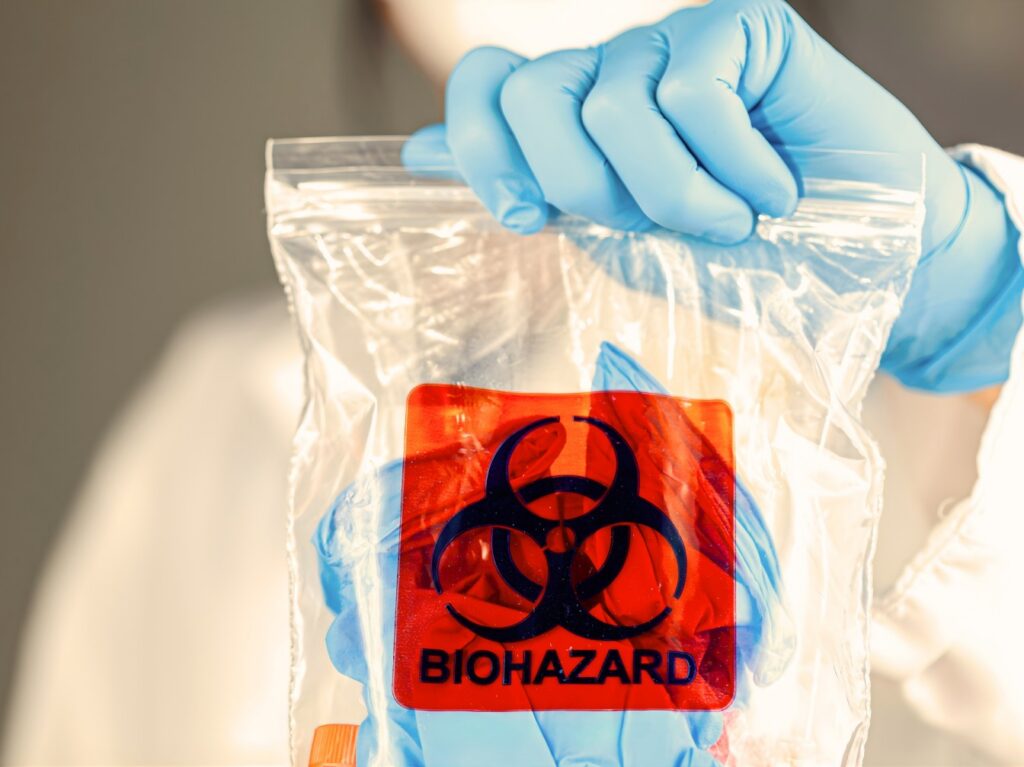
Biohazard cleanup is fundamentally different from ordinary cleaning. Standard cleaning removes visible dirt and reduces surface bacteria and other organisms through mechanical action and common disinfectants. Biohazard cleanup goes far beyond that, it requires specialized personal protective equipment, hospital-grade disinfectants proven effective against specific pathogens, protocols for handling and disposing of contaminated materials as regulated biological waste, and often the removal and replacement of porous building materials such as carpet, drywall, and subfloor that have absorbed biological contamination that cannot be cleaned away.
Read Also: How to Remove the Smell of Burnt Popcorn and Other Stubborn Odors From Your Home
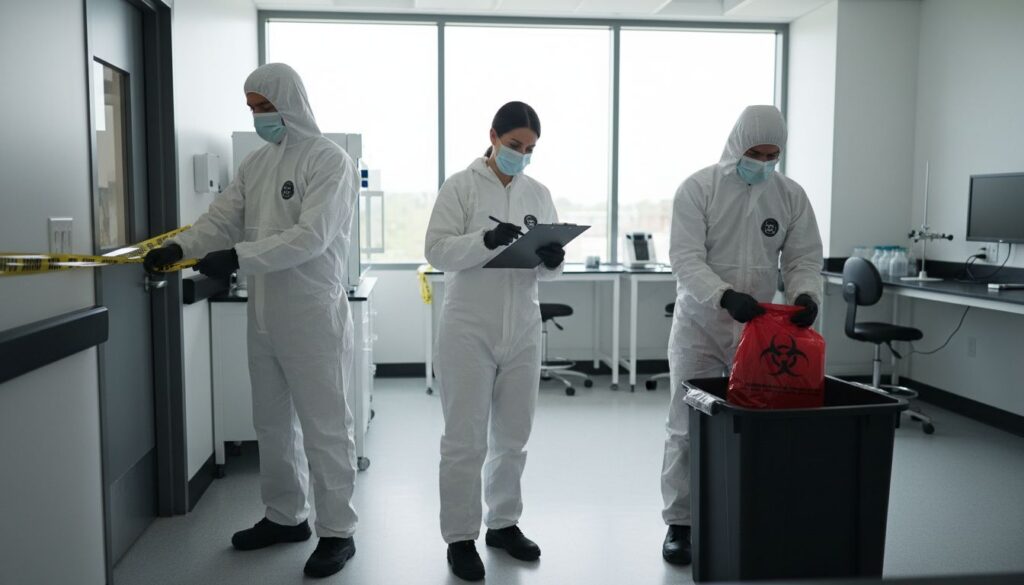
Professional biohazard remediation companies are trained, equipped, and in many states legally required to handle this work. Their technicians understand bloodborne pathogen protocols under OSHA standards, proper PPE requirements for different levels of exposure risk, regulated waste disposal requirements, and the decontamination standards that must be met before a property is safe for reoccupation.
The Biohazard Scenarios: A Checklist of Situations That Require Professional Response
The following categories cover the most common biohazard situations encountered in residential and commercial properties. For each, we explain the specific risks involved and the clear indicators that professional cleanup is required.
1. Unattended Death or Decomposition
When a person passes away and is not discovered for an extended period, hours, days, or longer, the biological decomposition process creates severe contamination of any surfaces, materials, and structures the body was in contact with or near. This is one of the most hazardous biohazard scenarios that cleanup professionals encounter.
Human decomposition produces bloodborne pathogen risks from bodily fluids, serious risks from pathogens including hepatitis B, hepatitis C, HIV, and various bacterial infections that can survive in decomposed biological material, chemical contamination from the compounds produced during decomposition, and persistent odors embedded deeply in porous materials that require professional deodorization techniques to resolve.
Call professionals immediately if: A death has occurred in a space and biological fluids or decomposition material are present on any surface, regardless of the extent of visible contamination. There is no scenario in an unattended death situation that is appropriate for family members or untrained individuals to clean. Beyond the pathogen risks, exposure to human decomposition material without proper PPE can cause immediate and serious health effects.
Professional cleanup in these situations typically involves full PPE at the highest protection level, the removal of all contaminated porous materials including carpet, padding, subfloor, and drywall as appropriate, treatment of all affected surfaces with hospital-grade disinfectants at appropriate contact times, odor remediation using thermal fogging and hydroxyl generation, and regulated disposal of all biological waste materials in compliance with applicable laws.
2. Homicide, Suicide, or Traumatic Death
Scenes involving traumatic death, whether from violence or self-inflicted injury, are biohazard situations that carry the same pathogen risks as unattended death, often with a larger and more dispersed contamination footprint. Blood and other bodily fluids may be present on multiple surfaces, walls, ceilings, and personal property throughout the space.
Biohazard Clean Up Kit With Green Z
Beyond the physical risks, these scenes carry an extraordinary emotional weight for family members and property owners. One of the most important reasons to engage professional biohazard cleanup companies in these situations, beyond safety, is that it spares the people who loved the deceased from having to directly confront the physical evidence of what occurred. This protection from secondary trauma is a genuine and meaningful service.
Call professionals immediately if: Any trauma scene involves the presence of blood, biological fluids, or tissue on any surface. Police and first responders do not clean scenes, they investigate and document, and the cleanup responsibility falls to the property owner. Do not attempt to clean a trauma scene before law enforcement has completed their work and the scene has been formally released.
It is also worth noting that insurance coverage for trauma scene cleanup is available under many homeowner’s policies. A professional cleanup company experienced in working with insurance carriers can help document the scope of work and navigate the claims process.
3. Hoarding Situations
Hoarding cleanup falls under biohazard remediation when, as is common in severe cases, the accumulated environment includes biological contamination from animal waste, human waste, deceased animals or pests, mold growth on organic material, food decomposition, or vermin infestation. The intersection of these biological hazards with the physical challenge of clearing years of accumulated material makes hoarding cleanup one of the most complex specialty services in the restoration industry.
Read Also: The First 5 Signs of Black Mold in Your AC Vents
The specific biological risks in hoarding environments include hantavirus from rodent droppings and urine, which is a serious and potentially fatal respiratory illness transmitted through disturbed rodent waste, histoplasmosis from accumulated bird or bat droppings, bacterial pathogens from human or animal waste accumulation, extensive mold growth on organic materials, and in some cases, infectious material from medical waste improperly stored or discarded.
Call professionals if: A hoarding environment includes any visible animal or human waste, deceased animals or evidence of significant vermin activity, extensive mold growth, or any material that could contain infectious biological contamination. The risk of disturbing these materials without proper PPE and decontamination protocols is not worth the cost savings of DIY cleanup. Additionally, professional hoarding cleanup services are often able to salvage and sort personal belongings that family members want to preserve, a service that is difficult to provide safely without the proper protocols and equipment.
4. Sewage Backup and Black Water Flooding
Sewage backup, whether from a blocked drain line, a failed sewer pump, a municipal system backup, or a septic system failure, is one of the most common biohazard situations that Melbourne homeowners face. Raw sewage is classified as Category 3 water (also called black water) in the restoration industry’s contamination classification system, meaning it is heavily contaminated with pathogens and requires full biohazard remediation protocols.
Raw sewage contains E. coli and other fecal coliform bacteria, hepatitis A virus, norovirus, rotavirus, parasitic organisms including Giardia and Cryptosporidium, and various other pathogens capable of causing serious illness. These pathogens are present not just in the visible sewage but in the water that has carried the sewage into and through building materials — meaning that carpet, padding, drywall, insulation, and subfloor that have been contaminated by sewage-affected water must be treated as biohazardous material, not simply dried out and retained.
Read Also: 7 Essential Steps for a Biohazard Cleanup Checklist Guide
Call PuroClean of Melbourne if: Any sewage backup has affected areas beyond the immediate drain opening. Even a relatively small backup that has spread sewage water across a bathroom or kitchen floor has potentially contaminated every porous surface that water touched. Attempting to clean sewage backup with standard household disinfectants and a mop is not sufficient to decontaminate affected materials to a safe standard. This is a genuine health risk, not a dramatic overstatement.
In Melbourne, sewage backups are more common than in many other regions due to the combination of aging drainage infrastructure in some areas, heavy rainfall events that overwhelm systems, and the flat terrain that limits gravity drainage efficiency. If you have experienced a sewage backup, category 3 water damage protocols, including proper containment, removal of contaminated materials, and hospital-grade disinfection, are required.
5. Blood and Bodily Fluid Incidents
Beyond traumatic death scenes, blood and bodily fluid contamination can occur in a range of situations: serious injuries in the home, medical emergencies, situations involving someone who is acutely ill, or post-surgical recovery that results in significant biological contamination of surfaces. Any situation that results in a significant volume of blood or other bodily fluids on surfaces, fabrics, or building materials presents a bloodborne pathogen risk.
Under OSHA’s Bloodborne Pathogens Standard (29 CFR 1910.1030), blood and other potentially infectious materials (OPIM) must be handled with appropriate engineering controls and PPE, and cleanup must follow specific decontamination protocols. While these requirements are primarily directed at workplaces and healthcare settings, the biological risk they are designed to address — primarily hepatitis B, hepatitis C, and HIV — is present regardless of the setting in which the contamination occurs.
Call professionals if: The volume of blood or bodily fluid present is significant enough that standard first-aid cleanup with gloves and a disinfectant spray is insufficient — specifically, when contamination has soaked into carpet, padding, upholstery, mattresses, or other porous materials that cannot be effectively surface-cleaned. Call professionals regardless of volume if the health status of the person who left the contamination is unknown, as the risk of bloodborne pathogen exposure must be assessed accordingly.
6. Infectious Disease and Illness Contamination
The COVID-19 pandemic brought widespread public awareness of infectious disease decontamination — but the need for professional decontamination of spaces contaminated by serious infectious illness existed long before 2020 and continues today. Spaces occupied by individuals with highly contagious or serious infectious diseases — including but not limited to C. difficile (C. diff), methicillin-resistant Staphylococcus aureus (MRSA), norovirus, tuberculosis, and others — may require professional decontamination to ensure the safety of subsequent occupants.
Read Also: Understanding How Much Does Biohazard Clean-up Cost
Standard household disinfectants are effective against many common pathogens but are not effective against all of them. C. difficile spores, for example, are highly resistant to most common disinfectants and require specific protocols using bleach-based solutions at appropriate concentrations and contact times. Professional biohazard cleanup companies are trained in pathogen-specific decontamination protocols that go beyond general surface cleaning.
Call professionals if: A space has been occupied by someone with a confirmed highly infectious or drug-resistant illness that poses a genuine risk to subsequent occupants, if a facility has experienced a disease outbreak that requires full decontamination, or if any healthcare, childcare, food service, or other regulated setting has experienced a contamination event.
7. Drug Lab and Chemical Contamination
Properties used for the production of methamphetamine or other illegal drugs, properties that have been used for improper storage or disposal of hazardous chemicals, and spaces where chemical spills have occurred present a category of contamination that overlaps biohazard and hazardous materials remediation. The chemical residues from drug manufacturing — precursor chemicals, reaction byproducts, and the drug compounds themselves — are toxic and in many cases carcinogenic, and they embed in all porous building materials in a contaminated property.
Read Also: Company to Clean Out House After Death in Melbourne, FL
Call professionals immediately if: There is any reason to believe a property has been used for drug manufacturing or that hazardous chemical contamination is present. Attempting to enter or clean a former drug lab without professional assessment and proper PPE has resulted in serious injuries and fatalities. In Florida, former meth labs are required to be disclosed to subsequent occupants and must be professionally remediated and cleared before reoccupation.
What to Do While You Wait for Professional Help
In any serious biohazard situation, there are things you should and should not do while waiting for professional remediation to begin.
Do restrict access to the affected area. Keep family members, children, pets, and anyone not wearing appropriate PPE out of the contaminated space. Do document the situation with photographs if it is safe to do so without entering the contaminated area — this documentation supports any insurance claim. Do contact your insurance company promptly to report the situation, as many biohazard cleanup scenarios are covered under homeowner’s or commercial property policies. Do turn off the HVAC system if biological contamination is present — you do not want airborne pathogens or odor compounds being distributed throughout the property.
Do not attempt to clean up any serious biohazard situation with household cleaning products and standard PPE. The protection provided by household gloves and a dust mask is not adequate for meaningful pathogen exposure. Do not allow well-meaning family members or friends to begin cleanup — their safety and wellbeing is more important than getting started quickly. Do not discard contaminated materials before professionals have assessed the scene, as this can compromise insurance claims and in some cases violates regulations governing biological waste disposal.
How PuroClean of Melbourne Handles Biohazard Cleanup
At PuroClean of Melbourne, our biohazard and specialty cleanup services are performed by trained technicians following established OSHA bloodborne pathogen protocols, EPA decontamination guidelines, and Florida regulations governing the handling and disposal of biological waste. We approach every biohazard situation with three foundational commitments: safety, thoroughness, and discretion.
Read Also: 10 Important Biohazard Cleanup Kit – PuroClean Emergency Recovery Services
Safety means that our technicians use the appropriate level of PPE for each situation, employ proper containment to prevent cross-contamination of unaffected areas, and use hospital-grade disinfectants at the correct concentrations and contact times for the specific pathogens involved. Thoroughness means that we do not just clean what is visible — we assess the full extent of contamination using moisture meters, ATP testing, and direct inspection to ensure that all contaminated materials are identified and properly addressed, including porous materials that must be removed rather than cleaned. Discretion means that we understand the deeply personal and often traumatic nature of these situations, and we work with property owners and families with the respect, sensitivity, and confidentiality these circumstances deserve.
We work with all major insurance carriers, assist with claims documentation, and are available 24 hours a day, 7 days a week throughout Melbourne and all of Brevard County. No one should face these situations alone — and no one in our service area has to.
Final Thoughts: When in Doubt, Call
The situations described in this guide are not ones where the cost of professional cleanup should be the deciding factor in whether to call for help. The health risks of improper biohazard handling — exposure to bloodborne pathogens, infectious organisms, toxic chemicals, and decomposition material — are serious, documented, and in some cases life-threatening. The emotional cost of requiring family members to personally clean a trauma scene is real and lasting.
Professional biohazard cleanup exists precisely because these are situations that human beings should not have to face alone, unaided, and unprotected. When you are in doubt about whether a situation warrants professional response, the correct answer is always to call and ask. We will give you an honest assessment — and if the situation is one you can safely handle yourself, we will tell you that too.
PuroClean of Melbourne is here for Melbourne and Brevard County, around the clock, for whatever the day brings.
PuroClean of Melbourne
Biohazard, Water, Fire & Mold Remediation | Available 24/7
📍 739 North Dr, Melbourne, FL 32934
📞 (321) 378-2400
🌐 puroclean.com/melbourne-fl-puroclean-melbourne
✉️ [email protected]
Connect With Us on Social Media!