

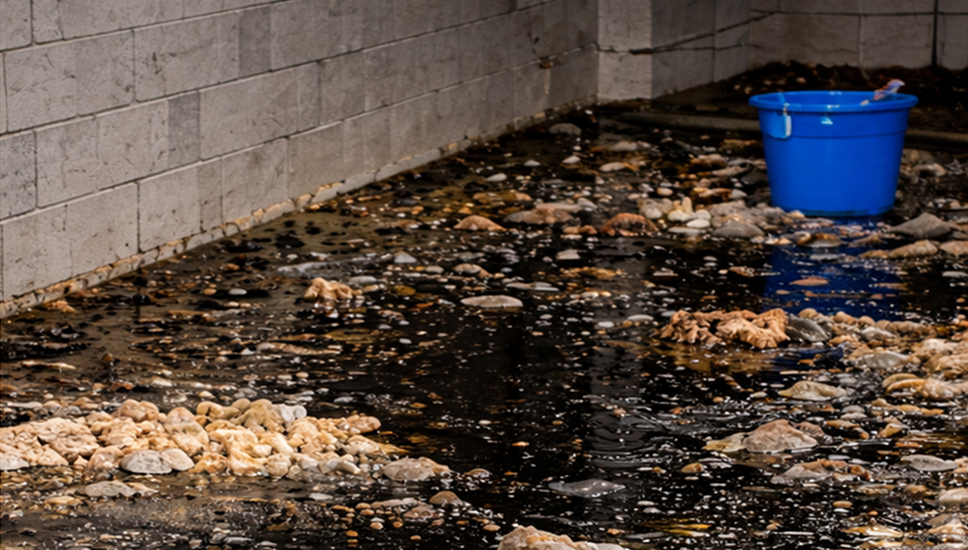
Water damage inside a property is always an urgent issue, but not all water events are created equal. While a clean water leak from a broken supply line requires rapid extraction and drying, water contaminated with biological matter introduces an entirely different tier of risk. This specific crisis is known as biohazard water damage, and it represents a severe threat to structural integrity and human health.
Property owners along the Space Coast encounter unique environmental challenges. The Kombination of coastal weather patterns, intense tropical storms, high regional humidity, and low lying localized topographies means that flood events frequently involve more than just moisture. When external floodwaters breach a structure, or when municipal sewage systems experience backflow, the resulting intrusion is laden with harmful microorganisms, pathogen strains, and hazardous materials.
Resolving this type of disaster demands a specialized approach that goes far beyond standard water removal. It requires a precise combination of industrial water damage mitigation, hazardous material containment, medical grade disinfection, and comprehensive property restoration services. Understanding the nature of biological water pollution, the strict regulatory protocols governing its cleanup, and the reason why professional intervention is mandatory is the first step in reclaiming a safe environment.
Understanding Biohazard Water Damage in Melbourne
To comprehend the danger of biohazard water damage in Melbourne, you must first examine how water contamination is classified in the restoration industry. The Institute of Inspection, Cleaning and Restoration Certification, known globally as the IICRC, categorizes water into three separate tiers based on the level of cleanliness and potential risk to human health.
Category 1 involves clean water originating from a sanitary source, such as a broken water supply pipe or an overflowing sink with no contaminants. Category 2 water contains significant chemical, biological, or physical contamination and has the potential to cause discomfort or sickness if consumed or contacted. This is often referred to as grey water and includes discharge from dishwashers, washing machines, or toilet bowls filled with urine.
Category 3 water is the most dangerous classification and is universally referred to as black water. This category contains gross contamination and is deeply unsanitary. Black water carries highly pathogenic agents, toxic substances, fungal spores, heavy metals, and harmful chemical residues. Any water damage event where external ground flooding breaches a building or where sewage backup occurs is classified automatically as Category 3. In the context of property restoration services, black water is the primary source of biohazard water damage.
| Critical Industry Standard: According to the IICRC S500 standard for professional water damage mitigation, any indoor environment affected by Category 3 black water must be treated as a hazardous biohazard zone. Specialized protective gear, strict containment barriers, and advanced decontamination procedures are required from the outset. |
In Brevard County, several common scenarios trigger a Category 3 biohazard water response. Severe weather systems, including tropical storms and hurricanes, drive external groundwater into residential crawlspaces and commercial showrooms. This water washes over streets, fertilizing lawns, agricultural fields, and asphalt surfaces before collecting contaminants and rushing into a building. Because the water has traveled across the ground, it is loaded with bacteria, parasites, and chemical pollutants from its very first point of entry.
Another frequent cause is the structural failure of municipal or private wastewater infrastructure. A main sewer line blockage can force raw sewage backward through plumbing fixtures, flooding bathrooms, kitchens, and common areas with fecal matter, industrial waste, and dangerous human pathogens. Additionally, prolonged standing water from a Category 1 or Category 2 leak can quickly degrade into a biohazard situation. Within 24 to 48 hours, stagnant water becomes a highly active breeding ground for microbial growth, turning a simple clean water problem into a toxic biological hazard.
The Severe Risks Associated with Biological Contamination
The hazards presented by biohazard water damage in Melbourne are twofold, impacting both the physical structure of your building and the medical well being of everyone who enters it. From a human health perspective, exposure to black water can cause devastating medical complications. Pathogens found in sewage and groundwater include dangerous bacteria like Escherichia coli, Salmonella strains, and Leptospira. They also include viral vectors like Hepatitis A, Norovirus, and various rotaviruses, along with destructive protozoa such as Giardia and Cryptosporidium.
Read Also: How to Hire a Restoration Company: A Step-by-Step Guide for Melbourne, FL Homeowners
These micro organisms can enter the human body through minor skin abrasions, accidental ingestion, or by contacting the mucous membranes of the eyes, nose, or mouth. Furthermore, as polluted water saturates porous materials, it emits volatile organic compounds and aerosolized pathogens. Inhaling these airborne contaminants can trigger immediate gastrointestinal illness, severe respiratory infections, skin rashes, and toxic shock syndrome. For vulnerable demographics, including young children, senior citizens, and individuals with compromised immune systems, the health consequences can be life threatening.
Read Also: How to Repair Water Damaged Drywall Step by Step
Simultaneously, the physical property undergoes immediate structural degradation. Water is a universal solvent, and when it is filled with biological activity, its destructive potential accelerates. Porous materials such as drywall, wooden framing, carpet padding, and insulation absorb the contaminated liquid like a sponge. As these materials remain saturated, the wood begins to warp, rot, and lose its load bearing capacity. Drywall loses its structural cohesion and begins to crumble, while metal fasteners and structural connectors experience rapid oxidation and rust.
Beyond the immediate weakening of building components, biohazard water damage serves as the primary catalyst for severe mold infestations. The sub tropical climate of Central Florida provides ideal ambient temperatures for fungal proliferation. When you combine this warmth with the rich organic food sources present in black water, mold spores can activate and colonize building materials in less than 24 hours. Once a mold colony establishes itself within wall cavities or subfloors, it releases airborne mycotoxins that cause long term indoor air quality degradation and additional structural rot.
The Professional Blueprint for Water Damage Mitigation
Remediating biohazard water damage is an intricate, multi phase technical process that cannot be accomplished with retail cleaning supplies or standard consumer equipment. True water damage mitigation involving biological hazards requires a regimented protocol designed to ensure that the building is not only dry but completely sanitized at a microscopic level.
Phase 1: Immediate Emergency Containment and Site Stabilization
The moment a certified team arrives on site, the primary objective is to stop the spread of contamination. Technicians establish clear containment zones using heavy duty plastic sheeting and commercial negative air pressure machines. These air scrubbers utilize High Efficiency Particulate Air filters to pull airborne contaminants out of the air while preventing contaminated air from migrating into unaffected areas of the building. Warning signs are posted, and access is restricted to personnel wearing appropriate personal protective equipment, including respirators, full body hazardous material suits, and heavy duty puncture resistant gloves.
Phase 2: Targeted Emergency Water Extraction
With containment securely in place, the removal of the bulk liquid contamination begins. Traditional shop vacuums are entirely inadequate and dangerous for this task because they lack the filtration required to prevent airborne misting of pathogens. Professionals use specialized, truck mounted extraction units equipped with heavy duty filtration and sealed waste containment tanks. This ensures that all contaminated black water is vacuumed directly out of the structure and stored securely without risking environmental exposure or secondary spills on the property.
Phase 3: Strategic Contaminated Material Removal
Unlike clean water scenarios where certain materials can be dried in place, biohazard water damage requires the aggressive removal of highly porous materials that have come into direct contact with black water. Carpet, underlying padding, upholstered furniture, fiberglass insulation, and impacted drywall cannot be effectively sanitized. These items must be carefully cut away, bagged in labeled biohazard disposal containment bags, and removed from the premises in accordance with state and local biohazard waste regulations.
Phase 4: Medical Grade Decontamination and Disinfection
Once the unsalvageable structural elements are removed, the remaining framing, subfloors, and non porous surfaces undergo deep manual cleaning and chemical treatment. Technicians utilize EPA registered, hospital grade biocides, bactericides, and fungicides. These specialized chemical solutions are engineered to break down cell walls of dangerous micro organisms, neutralizing pathogens on contact. This process transforms a toxic biohazard site back into a workable, sanitary environment.
Phase 5: Advanced Industrial Structural Drying
Even after all liquid is extracted and surfaces are sanitized, a massive amount of moisture remains deeply embedded within structural wood and concrete. To eliminate this deep seated moisture, professionals deploy industrial dehumidification systems alongside high velocity axial air movers. These machines are placed strategically to create a high volume airflow environment that forces bound water out of structural components through evaporation. Technicians use advanced moisture meters, thermal imaging cameras, and digital hygrometers to track drying progress daily, ensuring that every material reaches its dry standard before the drying equipment is removed.
Why PuroClean of Melbourne Must Handle Your Biohazard Crisis
When your home or business faces the complex threat of biohazard water damage in Melbourne, choosing the right local restoration company is the most consequential decision you will make. PuroClean of Melbourne stands out as the premier provider of property restoration services in Brevard County, delivering an elite combination of technical expertise, specialized equipment, and localized dedication.
Our operation is anchored in absolute readiness. Disasters do not wait for standard business hours, and neither do we. We operate a true 24/7 emergency dispatch system, ensuring that a team of fully certified, highly trained restoration technicians can respond to your call immediately. Because time is the single most critical variable when mitigating biological hazards, our rapid local response directly curtails the spread of pathogens, minimizes structural absorption, and dramatically lowers the overall cost and footprint of the required remediation.
The technical staff at PuroClean of Melbourne holds advanced certifications from the IICRC, including specialized designations in Water Damage Restoration, Applied Structural Drying, and Trauma and Biohazard Clean Up. This means that every step taken on your property aligns perfectly with national industry standards and occupational health guidelines. We do not engage in superficial cleanups; we perform meticulous, scientifically verified sanitation that ensures your indoor air quality and structural elements are totally safe for reoccupancy.
We utilize the absolute pinnacle of property restoration technology. From state of the art thermal imaging cameras that locate hidden moisture pockets behind finished walls to heavy duty, commercial grade desiccant dehumidifiers and EPA registered botanical and industrial sanitizers, our equipment lineup is built to handle large scale biological disasters. We monitor and document every step of the process with digital moisture mapping, providing clear validation that your structure has been completely dried and restored to pre loss conditions.
Furthermore, we understand the immense administrative burden that follows property damage. Our team coordinates closely with major commercial and residential insurance providers. We document the entire loss with detailed photo records, moisture logs, and itemized scope reports using Xactimate, the industry standard estimating software. This comprehensive documentation streamlines the insurance claims process, reducing stress for the property owner and ensuring that your claim moves forward without unnecessary administrative delays.
| Local Operations Information: PuroClean of Melbourne is situated locally within the Coastal Technology Center at 739 North Dr, Melbourne, FL 32934. Our local service perimeter encompasses the entire Melbourne region and surrounding coastal communities, allowing our dispatch vehicles to reach your doorstep within minutes of an emergency call. |
The Realities of DIY vs. Professional Restoration
It is common for property owners to consider handling initial cleanup efforts on their own to save money or accelerate the process. While self reliance is an admirable trait, attempting to manage biohazard water damage without professional training, commercial tools, and proper protection is a dangerous mistake that frequently leads to severe financial and medical consequences.
The primary risk of a do it yourself cleanup is personal exposure to toxic agents. Without a proper commercial respirator equipped with appropriate gas and particulate cartridges, you are directly inhaling bio aerosols filled with viral and bacterial particles. Standard dust masks purchased at local hardware stores offer absolutely zero protection against microscopic biological hazards or airborne fungal spores. Furthermore, without heavy duty chemical suits and specialized gloves, your skin is exposed to hazardous wastewater, running the risk of contracting severe systemic infections through microscopic cuts or contact with your eyes.
The second major risk involves the lack of commercial diagnostic equipment. To the untrained eye, a floor or wall might look and feel completely dry on the surface. However, moisture routinely migrates beneath hardwood planks, inside wall cavities, and deep into subfloor assemblies. Without industrial moisture meters and infrared thermal imaging cameras, a DIY attempt will leave large pockets of hidden moisture sealed within the structure. This hidden water will inevitably trigger massive, destructive mold colonies that rot the building from the inside out, ultimately requiring a much more expensive mold remediation process later on.
Finally, improper cleaning methods often make the contamination worse. For example, using a household bleach solution on porous wood surfaces does not kill deep seated mold or bacterial roots; instead, the water content in bleach can actually feed the microbial growth while releasing dangerous chemical vapors. Similarly, running standard residential fans across a biohazard zone spreads dangerous pathogens through the air, contaminating clean surfaces and HVAC ductwork throughout the entire building. Turning to an experienced property restoration services provider avoids these costly errors and guarantees a safe outcome.
Protecting Commercial Facilities Against Biohazard Exposures
For business owners, corporate managers, and commercial property administrators in Melbourne, a biohazard water damage event carries immense operational and legal liabilities. Whether you manage a healthcare office, a retail center, an educational facility, or a multi family residential complex, an influx of contaminated water or a severe sewage breakdown requires an immediate corporate response to protect employees, tenants, and customers.
Commercial properties are subject to strict regulatory oversight, including workplace safety mandates enforced by the Occupational Safety and Health Administration. Under OSHA guidelines, employers are legally obligated to provide a safe working environment free from recognized biological hazards. Forcing staff members to clean up raw sewage or black water without extensive safety training and specialized protective gear is a direct violation of labor laws and exposes your corporation to substantial legal fines, workplace injury claims, and long term liability lawsuits.
Beyond regulatory enforcement, prolonged operational downtime can devastate a business financially. Every hour your facility remains closed represents lost revenue, interrupted supply chains, and potential customer defection to competitors. PuroClean of Melbourne specializes in high efficiency commercial water damage mitigation. We work around the clock, deploying large scale drying systems and rapid containment protocols designed to isolate the damage. This allows you to maintain partial operations in unaffected sectors of your building while we systematically decontaminate the impacted zones, minimizing your downtime and safeguarding your corporate reputation.
Frequently Asked Questions Regarding Local Biohazard Cleanup
Q: How do I know if the water in my building is a biohazard?
A: If the water originates from an external source like a rising river, street flooding, or stormwater runoff, it is automatically classified as Category 3 black water and is a biohazard. Similarly, any water coming from a sewer line, toilet backup involving waste, or standing water that has remained stagnant for more than 48 hours is considered a biohazard risk requiring professional mitigation.
Q: Can I salvage my carpets or upholstered furniture after a sewage backup?
A: Generally, no. Porous items that absorb contaminated black water cannot be completely sanitized at a microscopic level. For your safety, carpet padding, area rugs, and upholstered furniture must be removed and disposed of responsibly. Non porous materials like concrete, tile, and metal can be saved through rigorous professional cleaning and disinfection.
Q: Does my standard commercial or residential insurance cover biohazard cleanup?
A: Most comprehensive property insurance policies cover water damage mitigation and restoration services, though coverage specifics depend on the source of the water. For instance, sudden pipe bursts or sudden sewage backflows are often covered, whereas regional flood damage typically requires a separate policy through the National Flood Insurance Program. PuroClean of Melbourne works directly with your insurance adjuster to evaluate coverage parameters and handle paperwork efficiently.
Q: How long does the entire biohazard water restoration process take?
A: The precise timeline depends on the scale of the flooding and the specific building materials involved. Typically, the initial containment, water extraction, and contaminated material removal phase takes 1 to 2 days. The subsequent structural drying and sterilization phase usually takes an additional 3 to 5 days. We provide continuous updates throughout the process so you know exactly when your space will be completely safe.
Take Immediate Action to Protect Your Property
When biological water contaminants breach your property, time is your greatest enemy. The longer black water saturares your floors and walls, the deeper the biological pathogens penetrate, the worse the structural damage becomes, and the higher the risk of widespread toxic mold colonization. Waiting even a few hours can turn a manageable restoration project into a catastrophic, full scale structural rebuild.
Do not assume the risk of tackling a biological hazard on your own, and do not entrust your property to uncertified operators. Lean on the proven expertise, rapid local response, and absolute dedication of PuroClean of Melbourne. Our certified team is ready to respond around the clock to secure your property, eradicate dangerous biological contaminants, extract water efficiently, and dry your structure back to pristine health.
If you are facing biohazard water damage in Melbourne or surrounding Space Coast communities, make the safe, professional choice immediately. Contact PuroClean of Melbourne today at (321) 378-2400 or visit our local operations hub inside the Coastal Technology Center at 739 North Dr, Melbourne, FL 32934 to speak with a restoration specialist and schedule immediate emergency assistance.
Call PuroClean of Melbourne 24/7 at (321) 378-2400
Email: [email protected]
Address: 739 North Dr, Melbourne, FL 32934
Website: puroclean.com/melbourne-fl-puroclean-melbourne
Serving Melbourne, Palm Bay, Viera, Rockledge, Cocoa Beach, Satellite Beach, Indialantic, and all of Brevard County, Florida. Available 24 hours a day, 7 days a week.
PuroClean of Melbourne provides fire, water, and mold remediation services including mold inspection, mold removal, structural drying, water extraction, carpet restoration, and biohazard cleaning throughout Brevard County, Florida.
Connect With Us on Social Media!
Instagram | Facebook | Direction | Check Reviews | Yelp | Linkedin | Youtube | Twitter | BBB